
Susan did not buy anything fancy when Joie, her 3-year-old spayed female Miniature Pinscher, came home to Fremont, California. She set a kitchen timer for five minutes, three evenings a week, and practiced touching paws, lifting lips, and running a soft brush over Joie’s short coat, followed by a treat.
That small habit is the whole point of grooming a small dog. Size does not make the work optional. It makes consistency easier to keep, and easier to lose, because every tangle, long nail, and sore gum is packed into a 10-pound body that notices everything.
Vets often see small dogs who flinch at handling not because grooming hurts, but because it started late and happens all at once. A puppy who learns that brushing, nail trims, and mouth checks are brief and predictable will usually accept them for life. A dog who meets those tools for the first time as an adult, already matted or clicking across the floor, has reason to worry.
Start in puppyhood when handling is still new
The first eight to sixteen weeks at home matter more than coat type. Keep sessions short, calm, and paired with food or play. Touch one paw, reward, and stop. The next day, touch the ears. Then lift the lip for two seconds to look at the gums and teeth.
This is also the time to introduce sound and vibration. Let a clipper run nearby without cutting, then touch the handle to the shoulder. Let the toothbrush rest on the muzzle before it ever enters the mouth. The American Veterinary Medical Association notes that regular home dental care supports oral health between professional cleanings, and that habit is far easier to build when a small mouth is still easy to handle.
Short wins.
Owners who wait for a full groom often end up wrestling. Owners who practice a little handling most days rarely need to.
Keep the weekly rhythm that fits a little body
Small dogs do not need more baths, but they do need more frequent checks. Long nails change how a light dog stands and slips, folded ears trap moisture, and crowded teeth collect plaque quickly. A simple weekly pass works for most pets: brush the coat, look at the skin, trim or file what has grown, clean the ears only if needed, and brush the teeth.
Match brushing to the coat, not the size. Smooth coats like Joie’s need a soft brush and a quick wipe-down. Silky or curly coats need a comb to the skin to prevent mats behind the ears, under the collar, and in the armpits. For tool basics, see Essential Dog Grooming Tools for Beginners and Do You Need Dog Clippers or Just Scissors? A Vet’s Grooming Breakdown.
Nails deserve special attention. Many small dogs wear down very little nail on soft surfaces, so a two- to three-week trim cycle holds the line better than waiting until they click. The Merck Veterinary Manual describes how dental plaque and tartar contribute to periodontal disease, which is one reason daily or near-daily toothbrushing supports small mouths where crowding is common. Technique details are outlined in How to Brush a Tiny Dog’s Teeth: A Step-by-Step Checklist and summarized by VCA Hospitals.
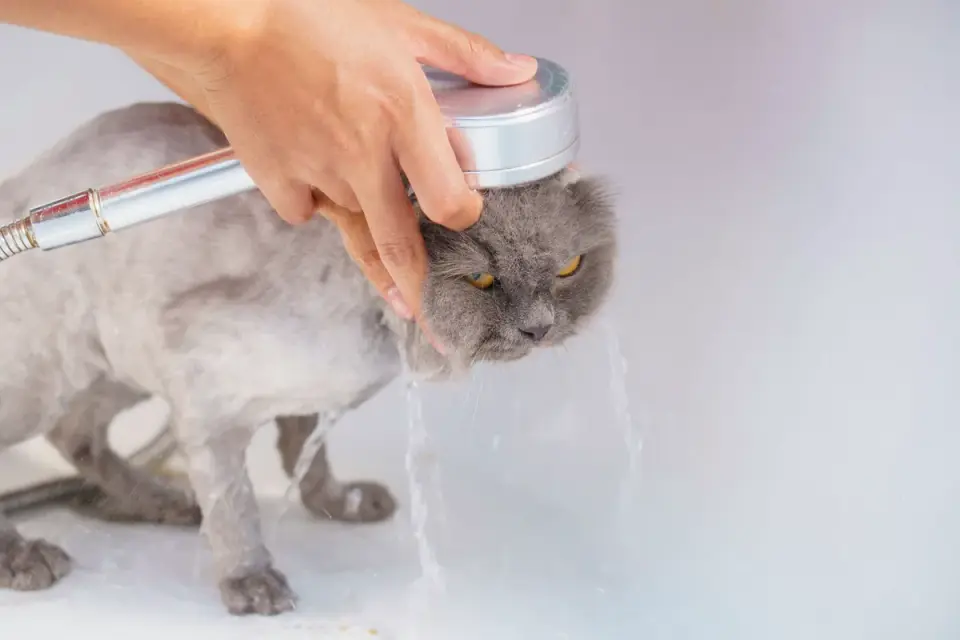
Bathing is the least frequent job. Lukewarm water, a dog-formulated shampoo, thorough rinsing, and complete drying prevent chilled skin and residue itch. Dogs with allergies or oily coats may need a vet-directed schedule, but most small dogs do well with a bath every four to six weeks or when dirty.
Adjust the plan as tolerance and age change
Junebug, a 10-year-old spayed female Cocker Spaniel from Pasadena, Texas, shows the other end of the timeline. Her owner Kristi kept the same routine for years, then noticed Junebug pulled away when her right ear was lifted. The coat had not changed. The dog’s comfort had.
That is common. Older small dogs may develop stiff necks, sore mouths, cloudy vision, or thinner skin that tears more easily. Shorten sessions, use a non-slip mat at waist height instead of lifting, and split the job across days: nails Monday, bath Thursday, teeth daily for 30 seconds. If mats tighten to the skin, odor changes, ears smell sweet or yeasty, or gums bleed easily, pause home care and call the clinic rather than pushing through.
Some owners split the work well. Quick home brushing and toothbrushing keep the baseline, while a professional handles sanitary trims, thick mats, or anxious nail trims. How to divide that work without overdoing either side is covered in At-Home Grooming vs a Professional Groomer: How to Split the Job.
So where does that leave tools? Buy good basics, then almost forget them. A brush that reaches without scratching, a comb, blunt-tipped scissors or a small clipper if the coat needs it, styptic powder, and a soft toothbrush will support most small dogs for years. The schedule does the real work — early, brief, and repeated, with adjustments as the individual dog changes.
What would change if you measured success not by how your dog looks after one long groom, but by how little fuss the next 10-minute check takes?
Sources
- Pet dental care — American Veterinary Medical Association
- Brushing Teeth in Dogs — VCA Hospitals