On this page
Learning how to brush small dog teeth safely takes a soft brush, dog-safe toothpaste, and steady daily practice. Toy and small breeds — Chihuahuas, Yorkies, Maltese, Miniature Poodles — carry teeth that are proportionally large for their jaws, and that crowding gives plaque more places to hide. Here’s the checklist first, with the reasoning behind each step below it.
The checklist
- Pick a small, soft-bristled brush — a finger brush or a child-sized/pet toothbrush with soft bristles, sized to fit a small mouth without gagging your dog.
- Use toothpaste made for dogs, never human toothpaste.
- Angle the bristles toward the gumline, roughly 45 degrees, and use small circular or short back-and-forth strokes.
- Prioritize the outer (cheek-side) surfaces of the upper teeth first — that’s where plaque and tartar accumulate fastest.
- Work in short sessions, especially at first — a few teeth at a time is fine while your dog adjusts.
- Brush daily if you can, or as close to daily as your routine allows.
- Watch for red flags — bleeding gums, bad breath, loose teeth, or reluctance to eat — and loop in your vet if you see them.
Why small dogs need extra attention
A large-scale analysis of dog medical records, summarized by the WALTHAM research institute, found that smaller dog breeds were more predisposed to periodontal disease than larger ones. The mechanism is mostly anatomical: small dogs often have less bone supporting relatively large teeth, and the crowding gives bacteria-laden plaque more surface area to colonize between teeth. That combination means dental disease can also progress faster once it starts. None of that is a life sentence — it’s simply a reason to treat brushing as routine, not optional, for a small-breed dog.
If your dog isn’t yet comfortable having its mouth handled at all, it’s worth backing up a step. Our companion guide on how to get a dog used to tooth brushing walks through the desensitization process before you ever introduce a brush.
Choosing the right tools for a small mouth
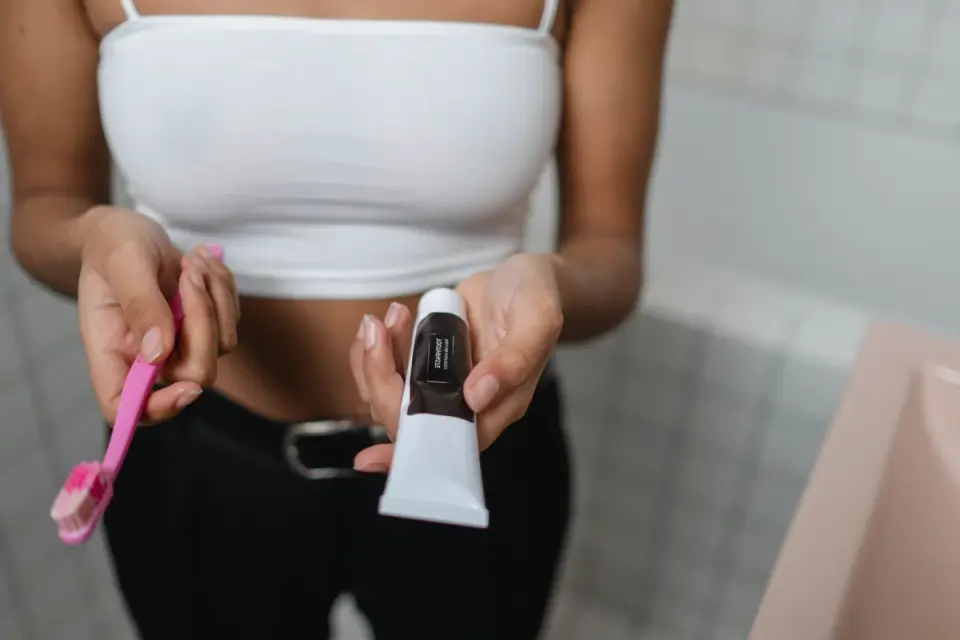
Size matters more here than for a large-breed dog. A brush designed for a Labrador is often too big to maneuver inside a five-pound Chihuahua’s mouth. Look for a finger brush (a soft rubber sleeve that fits over your fingertip) or the smallest toothbrush head available, with soft — not medium or firm — bristles. Toothpaste should be labeled specifically for dogs; flavors like poultry or peanut tend to make the process go more smoothly, and dogs are meant to swallow it rather than spit, so it needs to be safe if ingested. Human toothpaste is not an option — it can contain xylitol or fluoride levels that are unsafe for a dog’s size, according to guidance from VCA Animal Hospitals.
Technique: where to focus and how to move
Start with the bristles at roughly a 45-degree angle, aimed toward the gumline rather than straight down on the tooth. Small, gentle strokes — circular or short back-and-forth motions — work better than scrubbing. The Veterinary Oral Health Council notes that plaque and tartar build up fastest on the buccal, or cheek-facing, surfaces of the upper teeth, so if your dog only tolerates a partial session, that’s the area to prioritize. Inside surfaces matter too, but most of the daily benefit comes from covering the outer surfaces consistently.
Go slow the first week or two. Let your dog lick a bit of toothpaste off your finger before a brush is even involved, then gradually work up to lifting the lip and touching a few teeth at a time. A rushed first session tends to set the whole habit back further than a short, calm one.
Building a routine that actually sticks
Daily brushing is the goal most veterinary dentistry guidance points toward, since plaque re-forms within roughly a day or two of a cleaning. That said, a realistic five-days-a-week habit beats an ambitious daily plan that collapses after two weeks. Pair the brushing with something your dog already enjoys — right after a walk, or right before a small treat — so it becomes part of an existing routine rather than a standalone chore.
Dental chews and water additives can play a supporting role. Products carrying the VOHC Seal have been evaluated against a defined plaque or tartar-reduction standard; you can check the current list on the VOHC Accepted Products page. For a small or toy breed, size the chew appropriately — a chew built for a larger dog can pose a choking or dental-fracture risk for a tiny jaw. Think of chews as a complement to brushing, not a replacement for it.
When to call your vet instead of pushing through
Bleeding gums, persistent bad breath, visible tartar buildup, a tooth that looks loose, or a dog that suddenly won’t eat kibble are all reasons to have your vet take a look before continuing a home routine. Individual dogs vary widely in how much dental disease they’re carrying beneath the gumline, and only a professional exam — sometimes with dental X-rays — can tell you what’s really going on. Home brushing is a maintenance tool, not a treatment for existing disease.
Small dogs also tend to need professional dental cleanings on a schedule your vet will help set, precisely because of the crowding and bone-density factors described above. Brushing at home reduces how much plaque hardens into tartar between those visits — it doesn’t eliminate the need for them.
The takeaway
Brushing a small dog’s teeth isn’t fundamentally different from brushing a large dog’s — it’s the same principles applied with smaller tools and a bit more patience. Get the sizing right, focus on the outer tooth surfaces, keep sessions short and positive, and aim for daily consistency over perfection. If your small dog is also still learning to accept handling near the mouth, it’s worth pairing this routine with broader positive-handling work — the same groundwork that makes it easier to manage everything from nail trims to a first vet exam, or even something unrelated like settling a puppy into a crate for its first night.
Frequently asked questions
How often should I brush my small dog's teeth?
Daily is the standard most veterinary dental groups recommend, since plaque begins forming again within about 24 to 36 hours of a cleaning. If daily isn't realistic, aim for as many days a week as you can manage consistently — some brushing beats none.
Can I use human toothpaste on my small dog?
No. Human toothpaste often contains xylitol or fluoride at levels that are unsafe for dogs if swallowed, and dogs swallow rather than spit. Use a toothpaste made and labeled for dogs instead.
My toy breed won't open its mouth for a full brushing session — what now?
Focus on the outer, cheek-facing surfaces of the teeth, which is where plaque and tartar build up fastest and where most of the benefit comes from. A short, calm session covering those surfaces most days is more valuable than an all-or-nothing approach.
Are dental chews a substitute for brushing?
Chews and water additives with the VOHC Seal can support tartar control, but they work best alongside brushing, not instead of it. Toy breeds also need chew products sized safely for their jaw and mouth.
Sources
- Brushing — Veterinary Oral Health Council
- VOHC Accepted Products — Veterinary Oral Health Council
- Small dog breeds at highest risk for dental disease, largest study confirms — WALTHAM
- Brushing Your Dog's Teeth — VCA Animal Hospitals