You watch gait before you read labels, because how a dog loads his shoulders and hips tells you whether an antioxidant could ever matter for comfort and mobility.
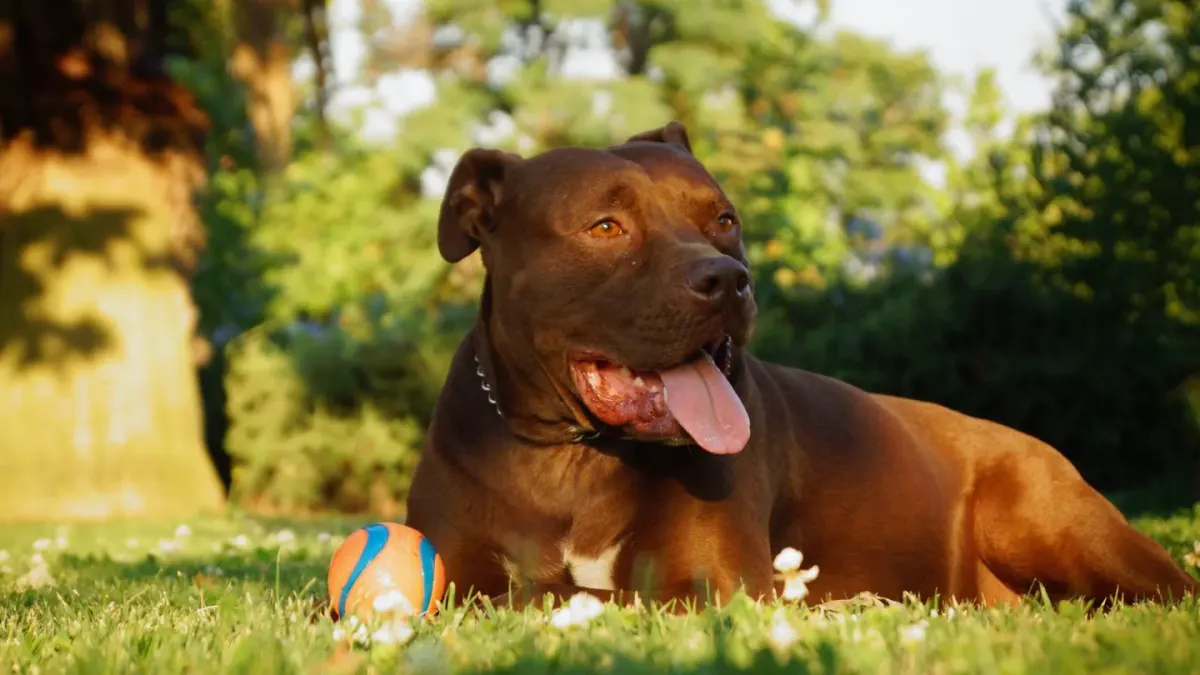
I saw that clearly with an 11-year-old, 72-pound Labrador mix who had started pausing halfway through our usual half-mile evening loop. His owner worried about hips, but what I saw was a shortened stride behind, a wide turn to avoid loading the left hind, and a sit that slid sideways. We tracked that half-mile loop for two weeks, noting where he stopped, how long he sniffed to rest, and whether he could climb the three back steps without a hop. That baseline mattered more than any flavonoid claim, because without it you cannot tell support from coincidence. Individual dogs vary widely.
Where flavonoids fit in a moving dog
Flavonoids are plant compounds — quercetin, resveratrol, fisetin, anthocyanins, catechins — grouped because they may help support cellular defenses against oxidative stress. Oxidative stress rises with age, heavy exercise, and joint load, which is why longevity formulas often pair them with joint-support ingredients.
The NIH Office of Dietary Supplements explains in its antioxidant review that these compounds act as antioxidants in test-tube systems, but effects in people and animals depend on absorption, dose, and metabolism. That gap matters in dogs. A blueberry-rich meal looks great on paper, yet very little of some flavonoids reaches the bloodstream intact.
My rule stays biomechanical. If load is uneven, address weight, strength, footing, pain control with your vet, plus acupuncture, Tui-na, chiropractic, and food therapy layered into a whole-patient plan for lameness and performance problems. A supplement may help support joint comfort and mobility, never a fix.
What we actually know in dogs
Dog-specific flavonoid trials are thin. Most of what we cite comes from laboratory models, a small number of dog pharmacokinetic studies, and structure/function reasoning, not long-term mobility trials.
Quercetin is the best-studied example. It is poorly soluble and rapidly metabolized, which limits blood levels after a plain powder dose. Formulation work in worms and rodents explores lecithin-based delivery to improve uptake, but that does not translate directly to a senior Beagle.
Resveratrol has a similar story. Rodent and invertebrate work shows antioxidant and cellular signaling effects, sometimes with tradeoffs by life stage and dose. It does not prove your dog will walk farther.
That is the doubt a skeptical friend always raises: if the evidence is this indirect, why consider them at all? My answer is bounded. I consider them as low-priority support inside an already-solid movement plan, not as drivers of that plan. You prioritize gait, load, muscle, and pain management first.
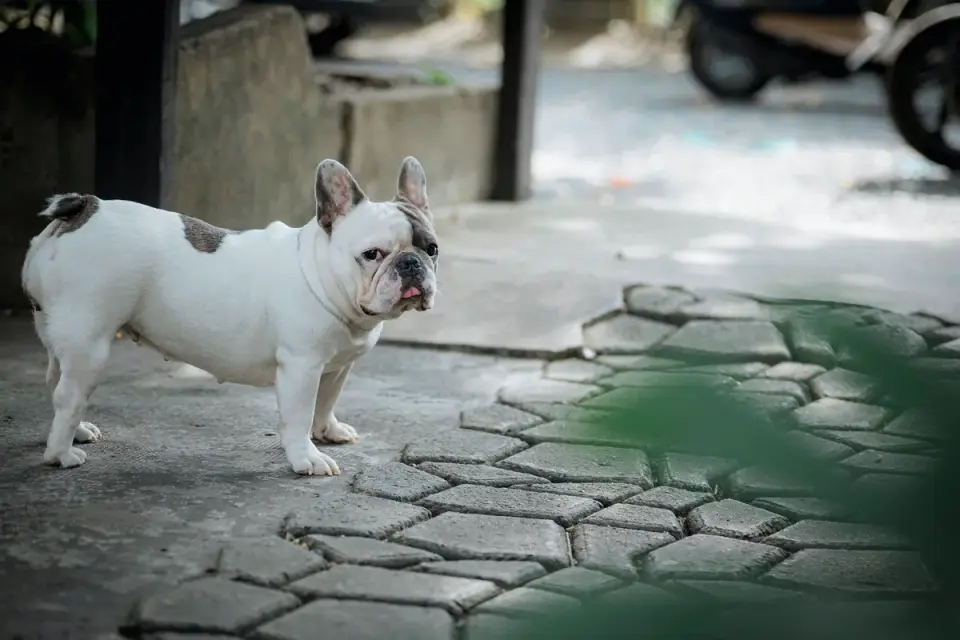
A 7-year-old Border Collie mix I followed in rehab shows why order matters. She came in for a performance tune-up after her owner added two different antioxidant chews in one month. Her morning warm-up still took four short walks around the block before she stopped bunny-hopping behind, and her weave entries stayed wide. We stripped the routine back to measured strength work, weight checks, and one consistent diet for six weeks. Nothing about flavonoids changed her stride until load and conditioning did. That failed shortcut taught her owner more than any label.
How to read a flavonoid label without getting sold
Labels borrow human longevity language. Bring them back to basics you can verify.
Look for the exact compound and amount per chew or per day, not a proprietary blend total. Quercetin dihydrate, resveratrol from Polygonum cuspidatum, and grape-free sources matter, because grapes and raisins are a separate safety issue in dogs.
Check for quality systems. The National Animal Supplement Council audits members for manufacturing controls and adverse-event reporting, which does not prove efficacy but signals accountability. Ask for a lot-specific certificate of analysis if a brand makes strong claims.
Watch interactions. Flavonoids can affect drug-metabolizing enzymes in theory, so dogs on anti-inflammatories, seizure drugs, or chemotherapy need vet review. Stay within structure/function language with your vet: support for cellular health and joint comfort, not disease treatment.
If you want context on slow hind-end changes while you evaluate, see Dog Hind Leg Weakness: A Neurologist’s Guide to Figuring Out Why and Dog’s Back Legs Giving Out: Sorting an Emergency From a Slow Decline. For tracking whether anything is actually helping, How to Assess Your Senior Dog’s Quality of Life gives a practical scoring approach.
Food sources add nuance. Berries and some vegetables supply mixed flavonoids plus fiber, but amounts per cup are small and variable.
Last spring, a foster home caring for a 13-year-old spaniel-type dog asked whether to keep a flavonoid chew when appetite dipped. From March 4 to March 18 we kept walks flat, hand-fed breakfast over 15 minutes, and logged evening restlessness. When panting at night eased after a bedding change and a vet-adjusted pain plan, they kept the chew only because it was palatable and well-tolerated, not because it drove the change. Sometimes bending the usual advice means pausing new ingredients until comfort and intake stabilize.
My take lands here. Build strength and even loading first, use diet for foundation, then — if your vet agrees — trial one well-labeled flavonoid product for 6 to 8 weeks against a written movement baseline.
Frequently asked questions
Do flavonoids like quercetin work for dogs?
Dog trials are limited. They are studied for antioxidant and cellular support, but absorption is variable and mobility benefits in dogs are not proven. Use them only as support inside a vet-guided movement and joint-comfort plan.
Are flavonoids safe with joint medications?
They are often well-tolerated, but flavonoids can theoretically affect drug metabolism. Tell your vet about all chews and drugs, especially NSAIDs, seizure drugs, and chemotherapy agents.
How long should I trial a flavonoid supplement?
Ask your vet, then track a specific baseline — stride, stairs, walk distance, rest breaks — for 6 to 8 weeks. If gait and daily function do not change, do not keep paying for hope.
Sources
- Dietary Antioxidants and Health — NIH Office of Dietary Supplements
- Quality Standards for Animal Supplements — National Animal Supplement Council