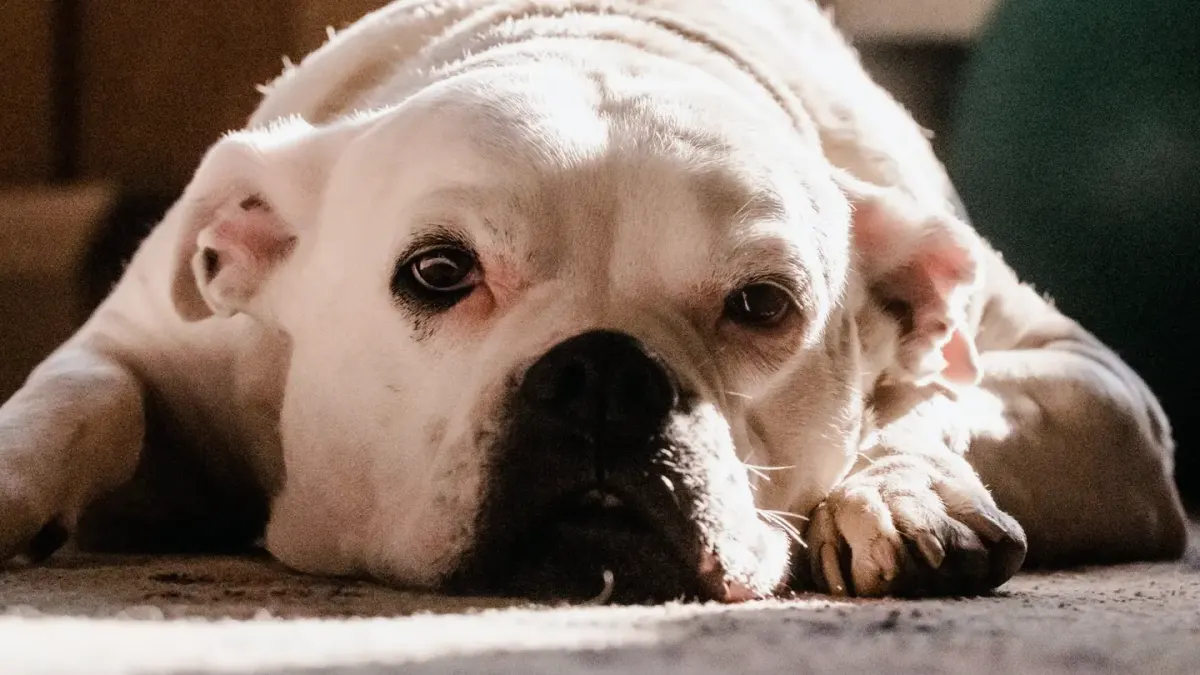
A nine-year-old Labrador hesitates at the hallway where hardwood meets tile, then fans his hind feet out as he tries to turn. His owner watches him stall for six seconds, sit down, and wait to be lifted. Over the next three weeks the pattern tightens: slower rises after naps, a pause at the two back steps, reluctance to cross the kitchen. The question is not motivation. The dog still wants to follow, eat, and go out. The house has become harder to move through than his joints can manage, and the fix starts with friction, layout, and routine rather than reassurance alone.
Stability decides what happens next. Cartilage thins and joint fluid changes with age, and pain makes dogs offload weight in ways that reduce traction. VCA Hospitals describes arthritis in dogs as progressive joint inflammation with stiffness, lameness, and difficulty rising, which matches what owners see on slick floors. The Merck Veterinary Manual frames osteoarthritis in dogs and cats as a degenerative joint process that benefits from weight control, controlled activity, and reduced joint stress. Home changes do not reverse that process. They lower the daily load the joint must absorb.
Make Floors Grippable Before You Buy Anything Else
Start with the paths the dog already uses. Bed to water. Water to door. Door to yard. Lay washable runners with rubber backing through those lanes, with no curled edges. Add a large low-pile mat at each turn, because turns cause more slips than straight lines. Keep nails trimmed and the hair between paw pads short. Wipe paws dry in wet weather.
A second household shows why order matters. An owner of a 68-pound senior pit mix bought an orthopedic bed first, then added a raised feeder and a new harness. The dog still fell twice in one week crossing ten feet of laminate to reach the yard door. The bed was comfortable. The route remained hazardous. When the owner reversed the sequence and covered that single lane with two interlocking runners, the night-time scrambling dropped from four restless repositionings to one. Support the joints during rest, but stabilize the transit zones that force sudden muscle recruitment.
Remove the Lift, Twist, and Jump From Daily Routes
Stairs concentrate force on hips, stifles, elbows, and shoulders. Block access where possible with a gate. Where stairs cannot be avoided, add a low-slope ramp with side rails and a high-traction surface, and train with food lures in short sessions. Set the incline as shallow as space allows. Measure the car, couch, and bed. Most senior dogs do better when they no longer jump down from 24 inches or more onto hard flooring.
Move resources to one level. Food, water, and a firm supportive bed belong on the floor the dog uses most, away from drafts and foot traffic. Raise bowls only if the dog has neck or shoulder stiffness and eats more comfortably with less reach; there is no universal height. Keep the yard path short, lit, and clear. For dogs with hind-leg weakness, pair these changes with careful monitoring for red flags discussed in Dog’s Back Legs Giving Out: Sorting an Emergency From a Slow Decline and Dog Hind Leg Weakness: A Neurologist’s Guide to Figuring Out Why.
Build a Rest Station That Actually Gets Used
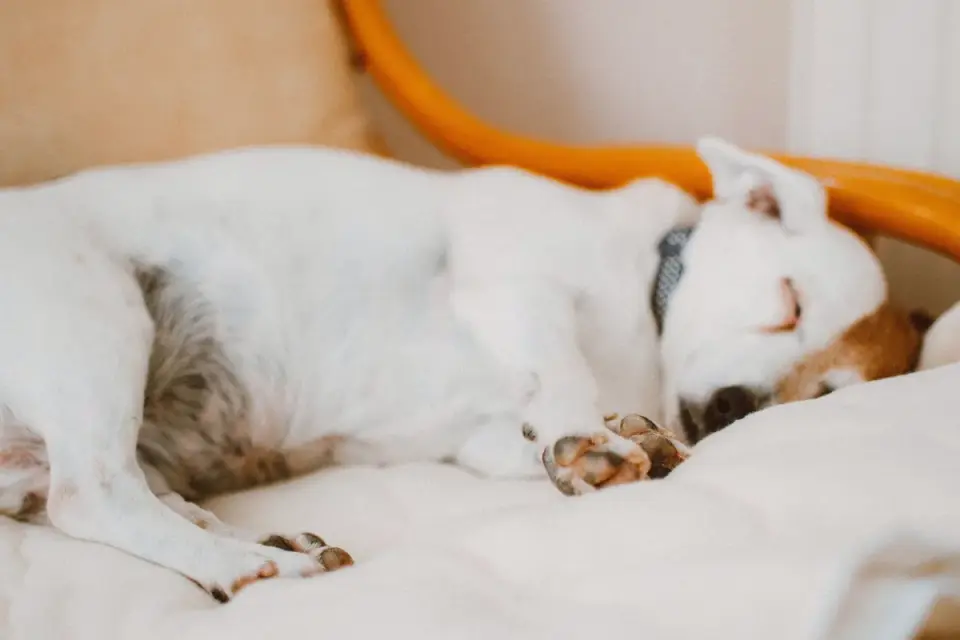
Dogs with sore joints often circle, stand, then lie on hard floors because the bed is too soft, too high, or too warm. Choose a flat, firm orthopedic foam bed low enough to step onto without climbing. Place it where the family gathers so the dog does not choose between comfort and proximity. Add a second sleep spot near the night-time water bowl and exit door to shorten overnight trips.
The usual advice bends in small apartments. A third scenario involves a 13-year-old, 18-pound terrier mix in a one-bedroom with no room for long runners or a second bed. The owner could not fit a standard ramp at the entry stairs. The workaround kept the principle intact: one washable hallway runner cut to fit, adhesive traction strips on the three concrete entry steps, a folding ramp stored behind the door for car trips only, and the existing bed moved six feet closer to the door. Night waking fell from three outings to one assisted outing. Small spaces still allow fewer steps, better grip, and shorter distances.
Keep daily movement consistent. Short, frequent leash walks preserve muscle better than one long weekend walk followed by days of rest. Watch weight closely, since extra pounds increase joint load with every step, a trend owners can track with guidance in How to Assess Your Senior Dog’s Quality of Life. Individual dogs vary widely in pain expression and progress. If lameness worsens, vocalizing starts, or appetite and behavior shift, stabilize activity and call the veterinarian promptly.
Frequently asked questions
What is the single most helpful home change for a senior dog with stiff joints?
Add traction to the routes the dog already uses. Runners, mats, and dry trimmed paws reduce slips that strain hips, stifles, and shoulders.
Should I use a ramp or carry my older dog on stairs?
Use a low-slope, high-traction ramp where possible and block unneeded stairs with a gate. Lifting a medium or large dog risks injury to both dog and owner.
Sources
- Arthritis in Dogs — VCA Hospitals