A mouth that hurts changes how a whole dog lives. Chewing slows, play shortens, and meals get left behind. Start with the mouth if you want more good years.
Vets often see the shift in a 9-year-old Beagle mix who still trots to the park each morning with his owner. Over 14 days his owner noticed dropped kibble, chewing on one side, and turning away from a favorite rubber chew. At a wellness visit the veterinarian found heavy tartar along the upper molars, red gums that bled on touch, and breath that had soured over the past 3 months. The plan stayed simple. Brush daily with enzymatic toothpaste, switch treats to a product with proven plaque control, and schedule a professional cleaning with dental radiographs. Eating comfortably again is what makes longer walks possible.
Why a sore mouth shortens the good years
Pain narrows life first. Dogs with gingivitis or a fractured tooth guard one side, swallow without chewing, or skip hard food. Less chewing means less intake, less energy for movement, and faster muscle loss in seniors.
The American Veterinary Medical Association outlines the basics owners can do at home, from brushing to regular oral exams, to keep that cycle from starting. Use structure and function language here. Dental care may help support normal appetite, comfortable chewing, and daily activity. It does not cure disease or extend lifespan on its own. It protects function, and function is what keeps aging dogs engaged.
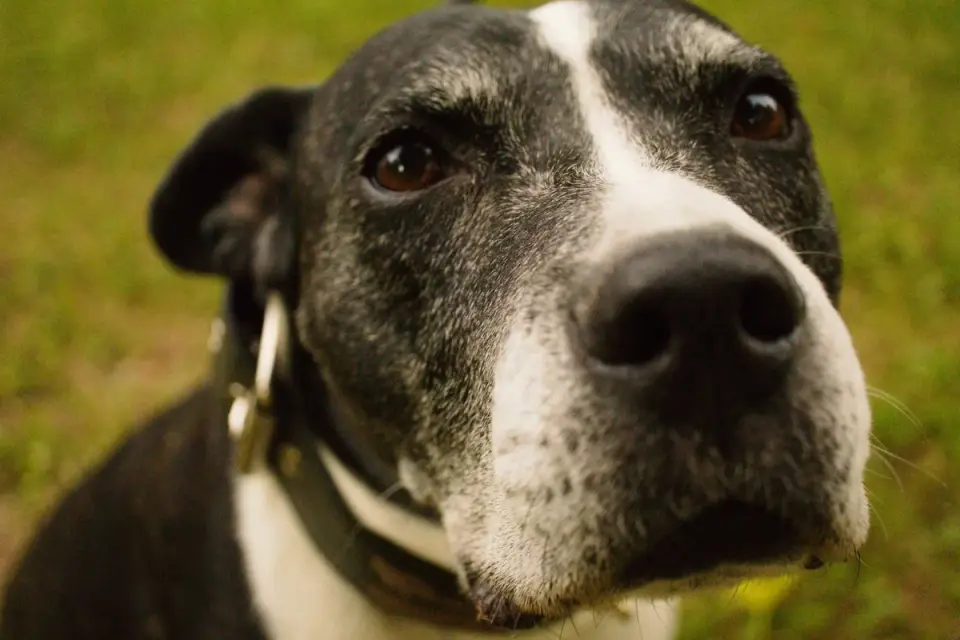
Check the mouth weekly. Lift the lips. Look for yellow-brown tartar, red line along the gum edge, swelling, drooling, pawing at the face, or a new preference for soft food. Smell matters too. Persistent bad breath beyond typical dog breath deserves a veterinary look, not a mint treat.
Build the daily routine that actually holds
Brush the teeth. Do it every day if you can, every other day at minimum. Use a soft brush or finger brush and dog toothpaste. Angle along the gumline of the outer upper molars and canines, where plaque sets fastest. Keep sessions under 60 seconds at first. Reward, release, repeat.
Add one proven helper. Choose a dental diet, chew, or water additive accepted by the Veterinary Oral Health Council for plaque or tartar control. That seal means the product met a set standard for effectiveness, not just marketing. Avoid hard antlers, marrow bones, and nylon bones that can slab-fracture teeth. If you would not tap it firmly on your own knee, do not let a power chewer work it unsupervised.
Feed for chewing comfort. Small breeds, brachycephalic dogs, and seniors with missing teeth often do better with smaller kibble or lightly soaked food. Weigh food for 7 mornings in a row when you change anything, and track intake, stool, and energy. For broader aging questions around appetite and fasting windows, compare notes with Is Intermittent Fasting Safe for Senior Dogs? and keep your veterinarian in the loop.
In practice, tradeoffs show up fast. A 6-year-old Dachshund owner committed to brushing after a tartar warning, then stalled at week three when bleeding gums made the dog flinch and the owner quit for 5 nights straight. She switched to a finger brush, cut sessions to 30 seconds on the outer teeth only, and added a VOHC-accepted dental chew on non-brush mornings. Bleeding eased as technique improved, but the lower canines still held thick calculus that home care could not remove. The lesson held. Home care may help support daily comfort and slow buildup, never a cure for established periodontal disease, and pausing professional care to “brush harder” lets infection sit.
What professional care adds that home care cannot
Home care slows plaque. Professional care finds disease under the gumline. Expect a full oral exam under anesthesia, scaling above and below the gumline, polishing, dental radiographs, and a plan for extractions or referral when needed. Anesthesia-free “cleanings” polish the visible crown and miss the pocket where bone loss happens.
The Cornell University College of Veterinary Medicine describes dentistry and oral surgery services that pair imaging with treatment planning, a useful model for what to ask your own clinic. Ask how they monitor anesthesia, whether they take full-mouth radiographs, how they manage pain, and what recheck looks like.
My integrative position is direct. Prioritize consistent home care plus timely professional treatment as the core for comfort, appetite, and movement, and layer gentle supports around that core. Warm food slightly to release aroma, offer food-therapy textures that invite chewing, and use acupuncture or calming handling when approved by your veterinarian to ease tension around visits. Supplements and herbs may help support normal immune and tissue function, never a cure for dental infection or a substitute for extraction when a tooth is dead.
That advice bends in one common situation. A 13-year-old Labrador weighing 32 kg, with a heart murmur and 4 months of slow decline, panted through car rides and paced for 2 nights after any sedation. Pushing a full anesthetic cleaning to chase perfect teeth would be the wrong call. The owner chose a different path with the veterinary team. No anesthesia, comfort-first plan, softened food in 3 small meals per day, daily gumline wiping instead of stiff brushing, pain scoring each evening, and a quality-of-life journal reviewed in How to Assess Your Senior Dog’s Quality of Life. When back-leg weakness also clouded the picture, they used Dog Hind Leg Weakness: A Neurologist’s Guide to Figuring Out Why to separate mouth pain from neurologic decline. Function led, not the dental chart.
Keep teeth working through the senior years
Schedule oral exams every 6 to 12 months, sooner for small breeds and dogs with prior extractions. Photograph the teeth in the same light once a month. Note tartar color, gum redness, fractures, lumps, or reluctance to fetch. Bring the photos to visits.
Watch the whole dog. Dropping weight, preferring the couch after 0.5 miles when 2 miles was normal, or guarding toys can trace back to mouth pain. Individual dogs vary widely, and breed shape, age, and temperament change what “normal chewing” looks like.
Hold the line on safety. Never pry the mouth open, never scale teeth with sharp tools at home, and never use human toothpaste with xylitol or fluoride dosing meant for people. Call promptly for facial swelling, bleeding that will not stop, a loose adult tooth, or refusal to eat for more than 24 hours.
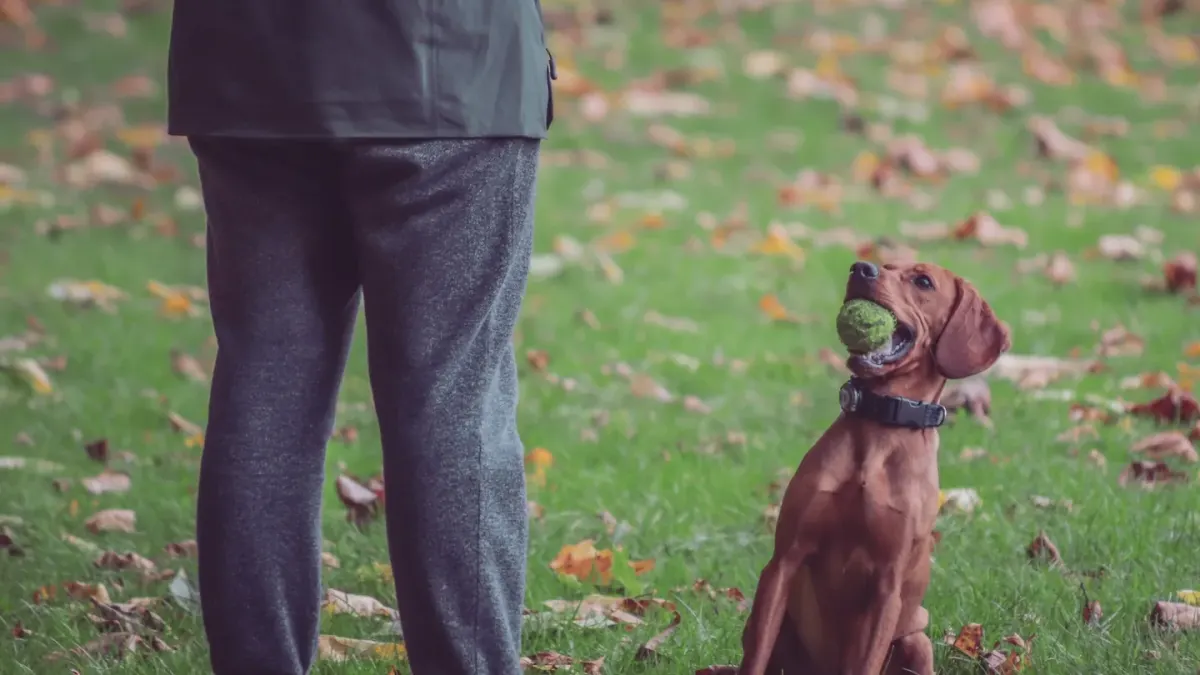
A clean, comfortable mouth will not by itself decide how long a dog lives. It does decide how well many days feel — eating without flinching, carrying a ball, settling without pawing at the face. Brush a little, choose proven helpers, and let professional care handle what lies below the gumline.
Sources
- Pet Dental Care — American Veterinary Medical Association
- Accepted Products — Veterinary Oral Health Council
- Dentistry and Oral Surgery — Cornell University College of Veterinary Medicine