
On this page
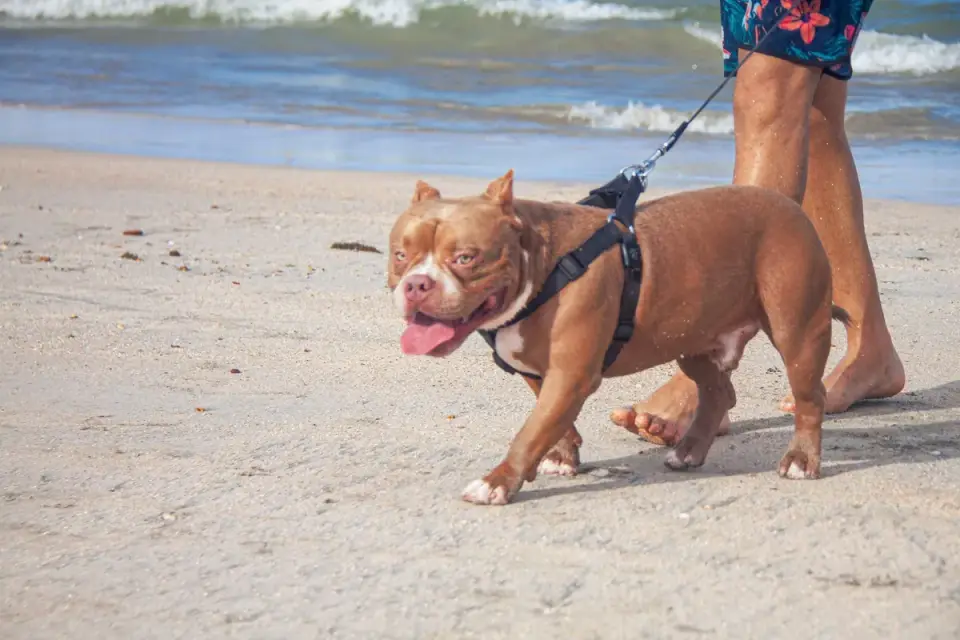
Lauren lets Ren to the backyard in Sacramento, coffee in one hand, and Ren — a 3-year-old spayed female English Bulldog mix — plants her chest at the door and pulls toward the fence line. No class cue would help in that moment. What helps is the habit Lauren built over three weeks: pause at thresholds, reward eye contact, then release with one word.
That is the shift behind reliable dog obedience training. Weekly lessons can introduce skills, but daily repetition in ordinary moments teaches a dog when to use them. Expect progress in small layers, with individual dogs varying widely in pace and distractions.
The week falls apart at the front door
Most owners do not forget training from lack of care. They forget because class happens in a quiet building on Saturday, while life happens at doorways, sidewalks, and kitchens the other six days. A dog may sit nicely for the instructor yet jump on guests, drag on walks, or ignore recall at the park.
Guidance from the American Veterinary Society of Animal Behavior supports building skills with reward-based methods and low-stress handling, which fits well into brief home sessions. The American Kennel Club also frames basic cues as everyday manners practiced in short repetitions rather than marathon drills.
Keep sessions brief and stop while your dog is still succeeding. If you want a timer to anchor that habit, see how long a training session should be to tire the brain.
The 5 habits that carry the weight
Use this checklist for the next 14 days. Aim for two to four minutes at a time, two to three times per day, folded into routines you already have.
- Threshold pause: sit and eye contact before doors, crate, car, and meals
- Name-plus-recall touch: one recall or hand target during each outing, always rewarded
- Four-step heel: reward loose-leash position every 10 to 20 steps on normal walks
- Place and settle: two-minute mat stay while you cook, eat, or answer the door
- Trade, don’t chase: practice drop and trade with low-value objects before you need it
Carry rewards so the timing stays tight. A pouch kept by the leash helps more than a bag lost in the pantry, as explained in how to use a training treat pouch effectively.
Turning the checklist into behavior
Threshold pause may help support impulse control. Ask for a sit, wait for eye contact, mark and reward, then give a release word such as “okay.” In practice, many families see fewer door dashes within 10 to 14 days when every adult uses the same sequence. If Ren breaks, Lauren simply resets behind the line rather than repeating the cue louder.
Name-plus-recall touch keeps recall fresh. Say Ren’s name once, then “come,” crouch slightly, and reward the arrival with a treat plus brief play. Practice on a long line versus a retractable leash in open areas so your dog can earn freedom safely. Never call for something unpleasant; go get the collar instead.
Vets often see adolescent dogs struggle most with greetings and leash manners between 6 and 18 months. A short private tune-up or well-run group setting can help at that stage, depending on distraction level and history. For help choosing, compare group classes versus private versus online training.
Four-step heel builds walking manners without long drills. Reward position at your side, not pulling ahead. Mark the moment the leash stays loose, deliver the treat at your pant seam, and keep moving.
Brief sessions end while the dog is still winning.
Place and settle teaches an off switch. Put a washable mat in the kitchen, reward all four paws on the mat, then stretch the stay by seconds, not minutes. Release before restlessness starts. Two calm minutes during dinner prep transfers better than a 30-minute stay attempted once a week.
Trade, not chase, may help support safe drop behavior. Offer a treat equal to or better than the object, say “drop,” mark the release, and return the original item when it is safe. This preventive pattern lowers guarding pressure and keeps retrieval games friendly.
What steady looks like by week four
By week three or four, expect faster sits, shorter delays at doors, and check-ins on walks without constant luring. Reliability will still dip with new places, guests, squirrels, or fatigue. That variation is baseline behavior, not failure.
My recommendation stays direct: keep the daily habits, and use a class for coaching your timing around distractions. The alternative — class alone without home practice — wins only when a dog already lives in a calm, highly structured home with few triggers. For most busy households, it stops winning at the first open door.
If cues stall, lower the distraction, shorten the distance, and raise the reward value for three days. If fear, growling over objects, or panic on leash appears, pause pressure and ask your veterinarian or a qualified behavior professional for a low-stress plan tailored to your dog.
Frequently asked questions
How many minutes per day does dog obedience training need?
Most pet dogs progress well with 5 to 10 total minutes per day, split into two or three short sessions built into meals, doorways, and walks.
What cues should we teach first?
Start with name response, sit, recall, drop, place, and loose-leash position. Those six cover safety and daily manners for most households.
Why does my dog listen in class but not at home?
Dogs learn in context. Practice the same cue in different rooms, doorways, and outdoor spots with brief, rewarded repetitions so the behavior transfers.
Sources
- AVSAB Position Statement on Humane Dog Training — American Veterinary Society of Animal Behavior
- How to Train Your Dog — American Kennel Club