On this page
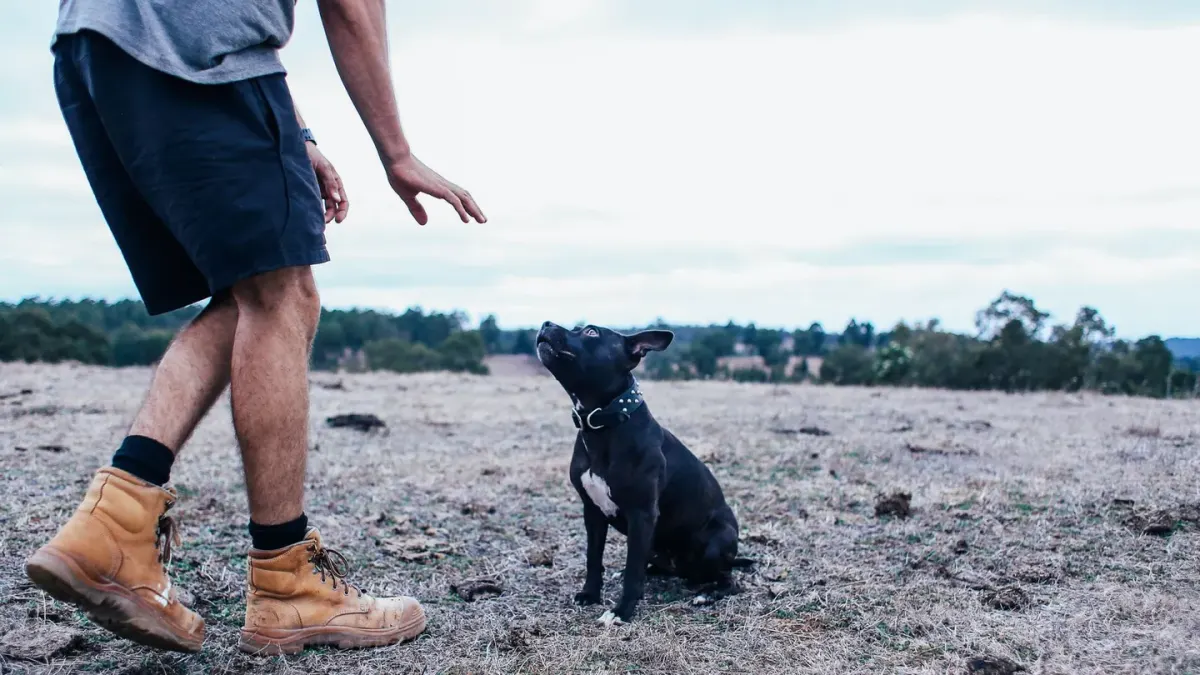
Samantha thought the clicker would speed things up with Cupid, her 7-year-old neutered male Cairn Terrier from Fontana, California. Instead, she ended up juggling leash, treats, and clicker while Cupid barked at the fence, and every click felt a second too late. That moment captures the central tradeoff well: clicker training is clear for dogs, but demanding for people, and it works best for teaching specific new actions rather than fixing every behavior problem.
Timing Has to Be Precise, Every Time
A clicker is a bridge signal. It tells the dog, that exact muscle movement earned the treat. When your timing is off by even one to two seconds, you can mark the wrong behavior, like jumping up instead of four paws on the floor.
In day-to-day practice, I see owners click late because they are watching the treat pouch, not the dog. New puppies move fast, and excitable adolescents move faster. If you miss the sit and click the stand, you just paid for confusion.
Short, focused sessions help maintain that precision. Many families do better with three minutes of sharp timing than fifteen minutes of tired clicking, a pattern I often link to planning session length to tire the brain without losing focus.
You Have to Charge It, Carry It, and Coordinate It
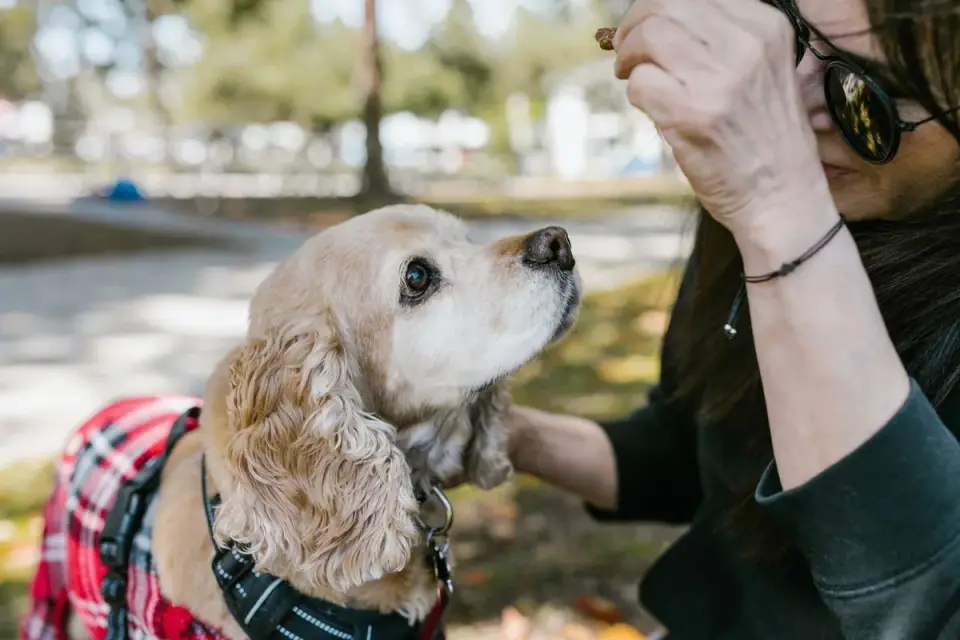
Before the clicker means anything, you have to condition it with ten to twenty click-then-treat pairings. Skip that step and the sound is just noise.
Then you have to carry it. Leash in one hand, clicker in the other, treats ready, dog moving. For owners with arthritis, small hands, winter gloves, or a strong puller, that juggling act is a real disadvantage. A verbal marker you always have with you avoids this, which is why I often have families read our comparison of clicker versus verbal marker word for learning speed.
A treat pouch worn at the hip can reduce fumbling, especially if you practice your mechanics without the dog first, as outlined in our guide to using a training treat pouch effectively. The American Veterinary Society of Animal Behavior supports reward-based methods overall, but even within that approach, the tool has to fit the handler.
Treat Dependence and Fading Take Planning
Clicker training runs on food at first, and that is by design. The downside is that some dogs start watching for the pouch rather than listening for the cue. If every click predicts a treat and treats never fade to real-life rewards like play, sniffing, or praise, the behavior can stall when the snacks disappear.
This is common with Tyrone and Jax, a 9-year-old intact male Golden Retriever mix from Wilmington, North Carolina. Jax would offer a lovely touch cue in the kitchen for cheese, then ignore it at the park where squirrels paid better. We did not need a new tool; we needed a fading plan with more tempting rewards outdoors, shorter distance, and gradual proofing.
In preventive care terms, this supports maintaining a healthy weight too. notes that positive reinforcement works best when rewards are consistent at first and then varied as skills become reliable.
It Is Weak for Distance, Emergencies, and Unwanted Behavior
A clicker marks what you like. It does not stop what you do not like, and it does not travel well across a field.
That matters when your dog is 40 feet away chasing a scent, barking at the doorbell, or already over threshold with another dog in view. You cannot click fast enough, the dog cannot hear it, or the dog is too aroused to care about a treat. Management, distance, and a trained recall or settle cue have to come first.
Noise sensitivity is another limit. Some shy or sound-sensitive dogs startle at the box click. You can muffle it in a pocket, switch to a softer clicker, or use a tongue click or word marker instead. describes similar troubleshooting steps for charging the clicker and adjusting when dogs seem worried by the sound.
Handler Fatigue and Inconsistency Undo Progress
The hardest disadvantage is not the dog. It is us. Clicker training asks the whole household to mark the same criteria, deliver the treat within seconds, and keep sessions calm and upbeat.
When one person clicks sitting with elbows off the ground and another clicks any crouch, the dog learns to gamble. When sessions run long, clicks get slow, treats get tossed late, and frustration rises on both ends of the leash. The evidence here is thin that one brand of clicker fixes this; consistent mechanics and rest do.
I tell families to pick one skill, define success in one sentence, and train it for a week. For Cupid, that was quiet feet on the kitchen mat while dinner cooked. Samantha clicked only when all four paws hit the mat, then delivered the treat on the mat. No talking, no luring, no marathon session.
When Clicker Training Still Earns Its Place
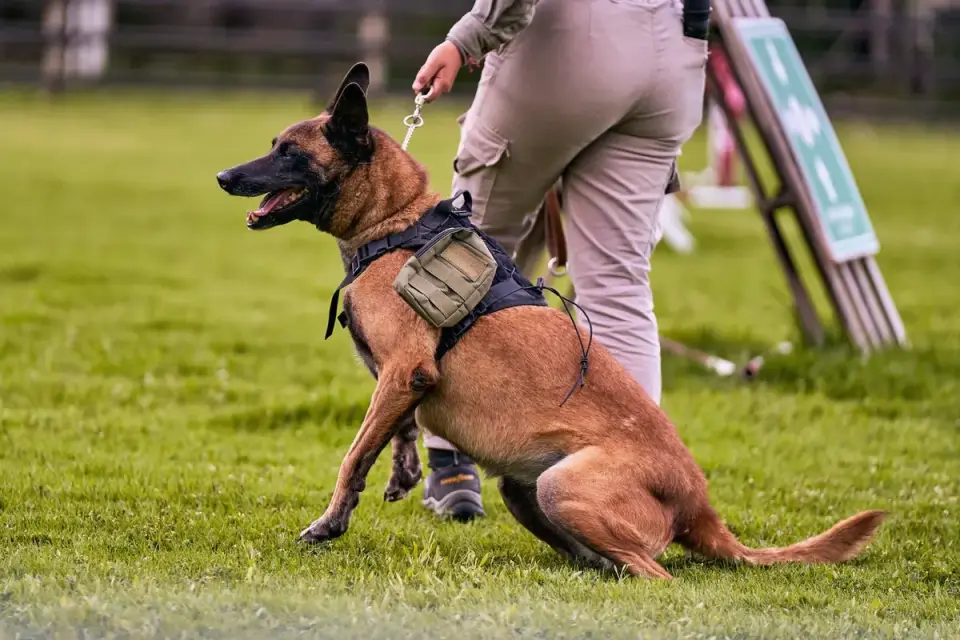
Limits aside, a clicker remains valuable for the right tasks. It may help maintain motivation for shaping precise behaviors like a chin rest for cooperative care, a nose touch for recall games, loose-leash position, or crate settling. The sound is distinct, emotion-free, and fast, which helps fear-free handling when we want the dog to volunteer.
Use it as a scalpel, not a whole toolbox. Teach the new behavior with the clicker, then fade the clicker to a verbal marker and real-life rewards, and use management and training plans for barking, jumping, pulling, or reactivity.
If timing feels hard, you are not failing. Individual dogs vary, and so do owners. Borrow a simpler setup for a few weeks, keep treats small and sessions short, and keep what works for your home.
Frequently asked questions
Do I always need treats with a clicker?
At first, yes — every click should be followed by a treat while your dog learns the association. Once the behavior is reliable, you can fade to intermittent food rewards mixed with play, sniff time, and praise.
What if my dog is scared of the clicker sound?
Muffle it in a pocket, try a softer clicker, or switch to a quiet verbal marker. If your dog shows ongoing fear, flattened body, avoidance, or loss of appetite, stop and ask your veterinarian for next steps.
Can clicker training stop barking or jumping?
Not by itself. A clicker marks desired behavior, so pair it with management and a trained alternative like settling on a mat. For persistent barking, aggression, or anxiety, get in-person coaching.
Sources
- Position Statements — American Veterinary Society of Animal Behavior