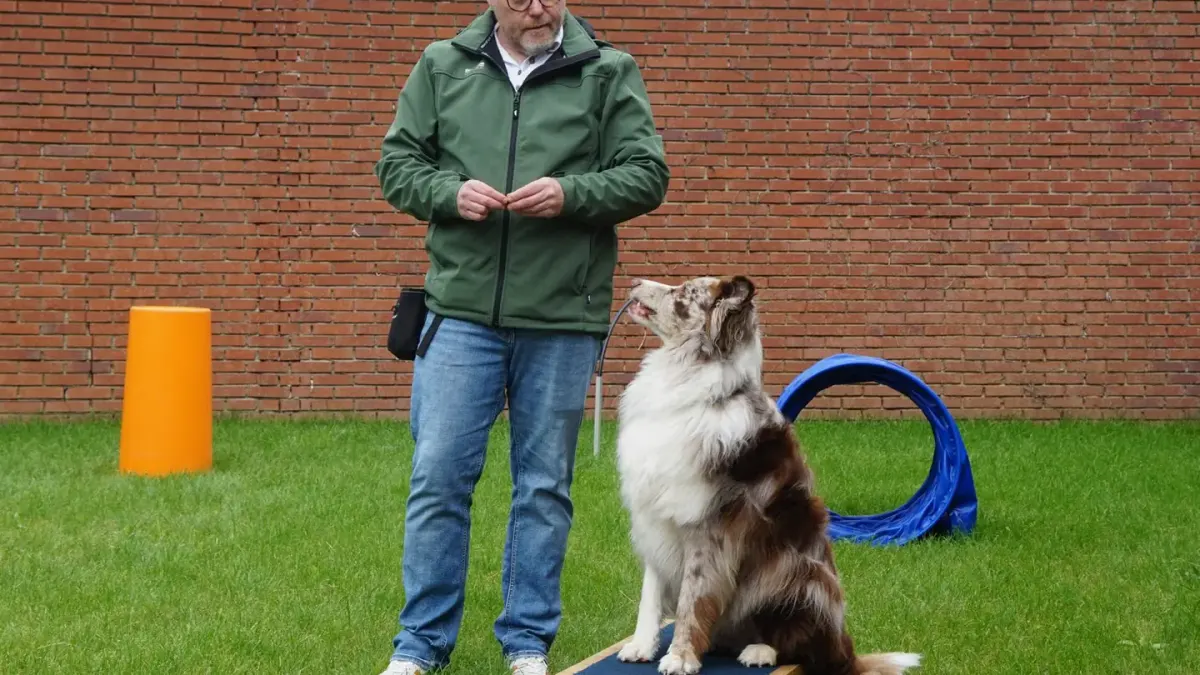
Expect independence first, then train around it. The Lhasa Apso was developed as a close-quarters watchdog in Tibetan monasteries, alert and reserved with strangers rather than eager to please on command, a baseline the American Kennel Club describes in its breed profile. That history still shows up in the living room: sharp barking at sounds, a pause before obeying, and a clear preference for familiar people. Your job is not to remove that watchfulness, but to channel it with structure your dog can predict.
Keep sessions short and choice-based
Lhasa Apsos learn well in brief, upbeat reps and fade quickly with repetition. I counsel owners to plan two to three sessions a day, each about three to five minutes, ending while the dog is still engaged. You can read more about training session length if your dog checks out early — mental fatigue often looks like stubbornness.
Use small, soft treats delivered within a second or two, paired with quiet praise. A training treat pouch kept at your hip helps that timing, so you reward the sit or check-in rather than the shuffle afterward. When the leash tightens on a walk, try backing a step away to reset attention rather than planting your feet and pulling back, a small handling shift many owners find breaks the staring match.
The broader evidence favors this approach. The American Veterinary Society of Animal Behavior position statement concludes that reward-based methods are less stressful and more effective for most dogs than methods based on confrontation or correction.
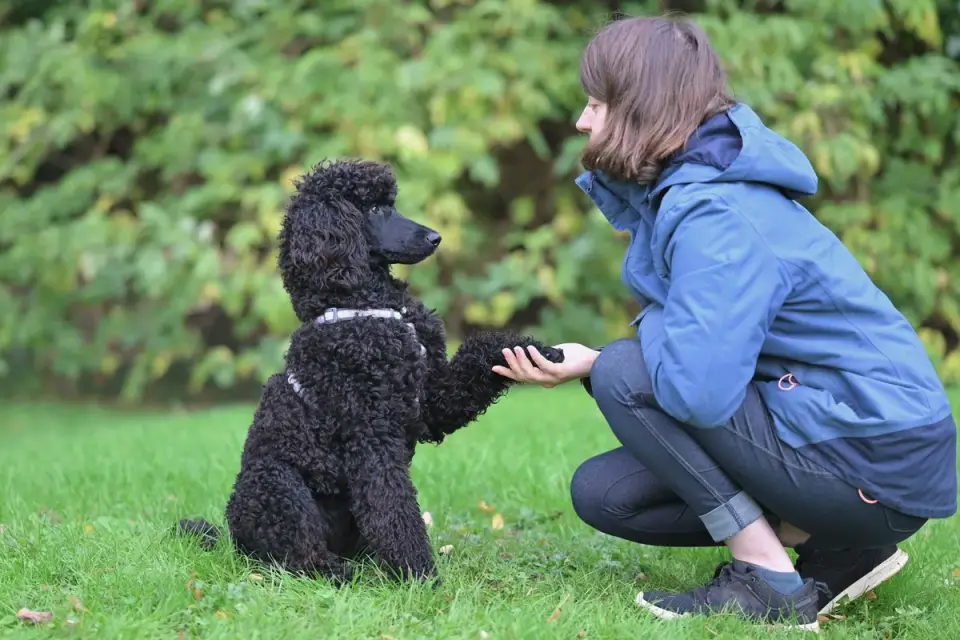
Teach the watchdog jobs: quiet, place, and recall
Pick three behaviors that make daily life easier and practice them in low-distraction rooms before adding challenge.
1. A quiet cue. Mark and reward one pause in barking, then add the word “quiet.” Keep your voice low and matter-of-fact. Yelling to stop barking usually sounds like joint barking to the dog.
2. A place cue. Send your Lhasa to a mat near the door with a chew, then reward settled lying down. This gives the alerting instinct somewhere to go when visitors arrive.
3. A recall foundation. Practice indoors first with high-value rewards, calling once and paying generously when your dog turns toward you. Avoid the common trap of testing recall at the park among overwhelming distractions before the indoor response is solid, then wondering why it falls apart outside.
House training deserves the same patience. Consistent outdoor timing matters more than any single method, and a puppy potty-training schedule can help you anchor outings to wake-ups, meals, and naps.
Socialize slowly and protect confidence
Lhasa Apsos bond deeply at home and can be reserved with new people, grooming handling, and other dogs. Keep introductions brief and voluntary. Let a visitor toss treats without reaching over the dog, and let your dog approach on their own timeline. Short, well-chosen exposures beat long outings where your dog practices growling or hiding.
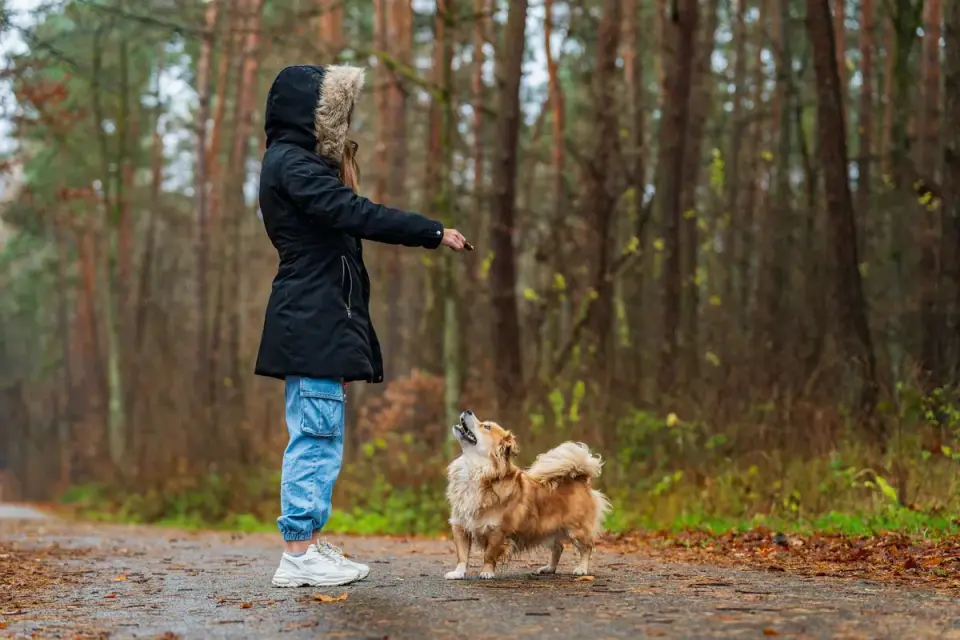
For handling, pair combing, ear checks, and paw touches with treats in 30-second sets. For other dogs, practice at a distance where your Lhasa can notice and still take treats, then leave before arousal climbs. If your dog is already lunging, barking on leash, or guarding valued items, consider whether a group class, private session, or online format fits your dog’s stage — many reserved small breeds do better starting in private lessons.
Expect a realistic timeline. Most families see steadier sits, downs, and mat work within two to three weeks of consistent practice, with barking and leash manners improving over months as management stays consistent. Individual dogs vary widely, and a pause, a yawn, or walking away is information about stress or fatigue, not defiance. Talk with your own veterinarian if fear, aggression, or house-soiling persists despite steady training.
Frequently asked questions
Why does my Lhasa Apso seem stubborn in training?
What looks stubborn is often independence plus fatigue. This watchdog breed pauses to assess, and long repetitive drills tend to shut them down. Try three- to five-minute sessions, high-value treats, and ending on a success.
How do I reduce barking without punishment?
Reward brief pauses in barking, teach a mat or place cue near the door, and manage triggers with distance and white noise. Keep your voice calm and avoid yelling, which can sound like joining in.
Are Lhasa Apsos hard to house-train?
They can be slow to generalize, especially in cold or wet weather. Keep outings on a consistent schedule tied to waking, eating, and play, reward outdoor success promptly, and supervise closely indoors.
Sources
- Lhasa Apso Dog Breed Information — American Kennel Club
- AVSAB Humane Dog Training Position Statement — American Veterinary Society of Animal Behavior