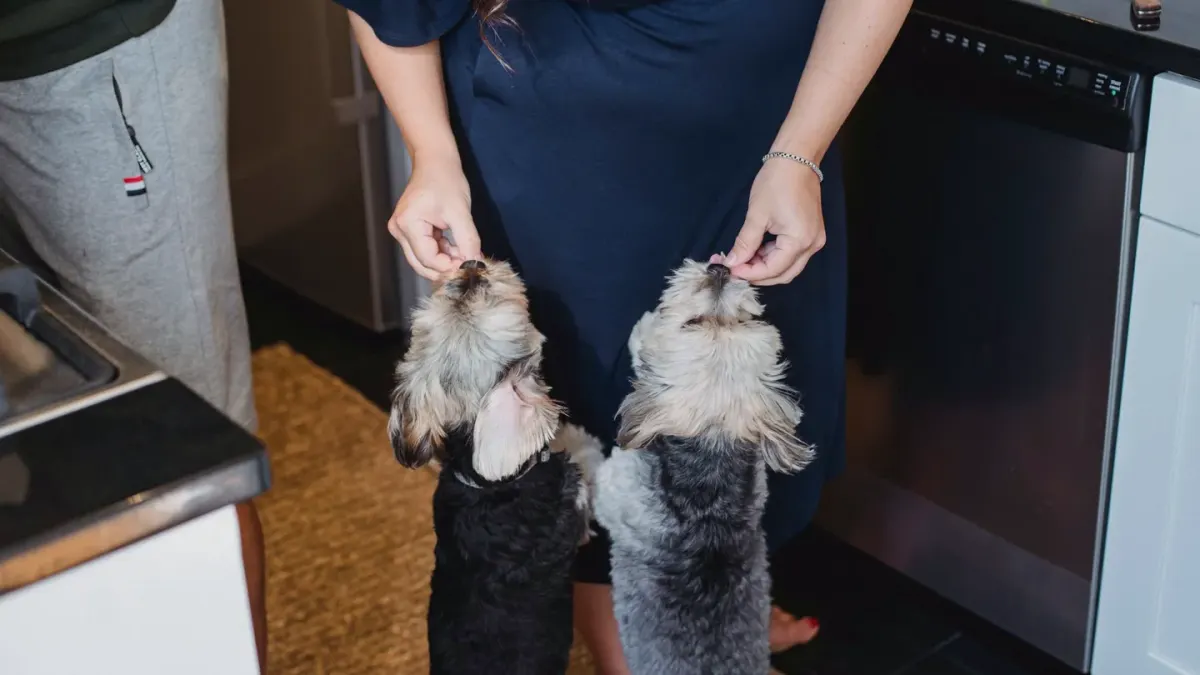
It hurts when your dog lights up for your husband and moves away from you, but this pattern rarely means your dog loves you less. In practice, dogs move toward the person whose voice, movements, and daily routine feel safest and most rewarding in the moment.
Expectation first: you are not starting from zero. You are adjusting a few habits around tone, handling, and predictability, and most dogs respond within one to two weeks of consistent change.
Why avoidance picks one person
Dogs read small differences we barely notice. One partner may speak in a lower, slower voice, bend down less, stare less, and hand out unhurried chest scratches. The other may reach overhead, hug tightly, speak in a high excited tone, wake the dog for cuddles, or do most of the less pleasant tasks like nail trims, baths, and scolding for chewing.
None of that makes you a bad owner. It makes you the less predictable half of the pair right now. A dog that ducks your hand, leaves the couch when you sit down, or follows your husband room to room is voting for calm and consistency.
A patient of mine showed this clearly. Fletcher, a 2-year-old neutered male Cavalier King Charles Spaniel mix, adored his owner Rhonda in St. Petersburg, Florida, but shadowed her husband. Rhonda did most of the care and meant well, but she scooped Fletcher up for greetings, patted his head while talking loudly on calls, and tried to coax him back when he walked away. Her husband mostly sat sideways, tossed treats without staring, and let Fletcher choose when to come close. Once Rhonda changed her approach, Fletcher started checking in with her again.
Check health and stress before you retrain
If the change was sudden, set a baseline with your veterinarian. Pain, ear infection, vision change, nausea, or early cognitive change can make a dog avoid being touched or picked up by one person, especially if that person handles more lifting, stairs, or active play. Note when it started, what changed in the home, and whether eating, sleep, thirst, urination, or mobility changed too.
Also look for low-stress handling clues: lip licking, yawning, turning the head away, tucking the tail, freezing, or walking off when you approach. Those are requests for space, not disobedience. The American Veterinary Society of Animal Behavior explains why positive, low-stress methods protect welfare and learning, and its position statements are a useful baseline to review before you change your routine.
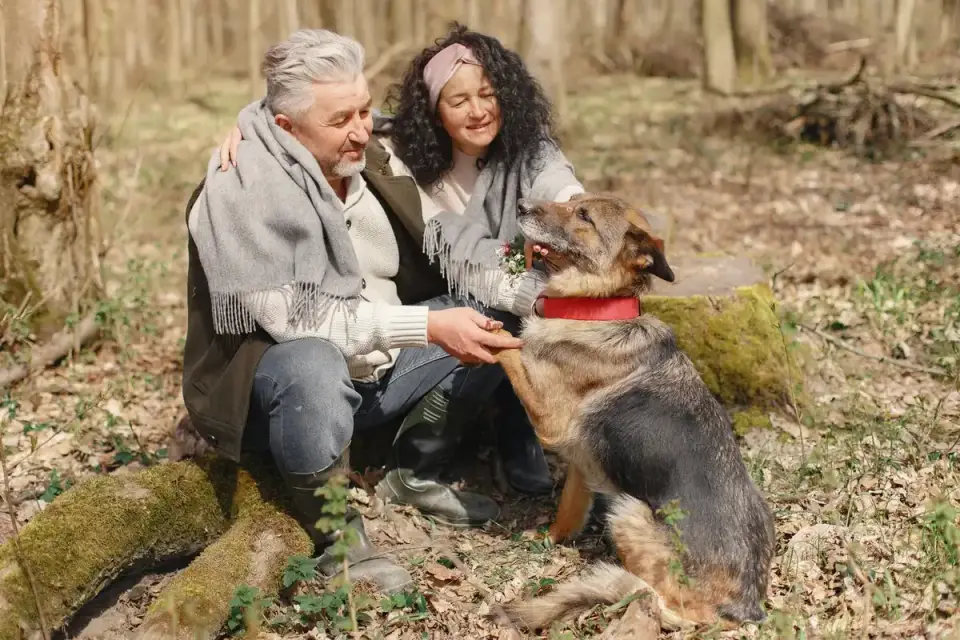
Become the predictable, rewarding person
You do not need to out-compete your husband. You need a short daily routine your dog can count on.
Lower pressure. Invite rather than pursue. Crouch sideways, turn your shoulder slightly away, keep hands low, and let the dog close the last few feet. Pet the chest or side for two seconds, then pause. If the dog leans in or nudges, continue. If the dog stills or moves off, thank them for telling you and try later.
Soften your sound and movement. Use a quiet, even voice and slower gestures, especially around the head. Save excited squeals and big hugs for moments your dog clearly enjoys them. Many dogs that settle overnight but startle awake for an early bathroom trip do best when nighttime cues stay boring and brief, then morning greetings stay calm.
Take over the good stuff. For the next two weeks, be the source of meals, sniffy walks, and easy wins. Hand-feed part of dinner for sits, touches, and recalls. Keep practice to a few minutes, as described in How Long Should a Training Session Be to Tire the Brain?, so your dog ends wanting more.
Trade chores fairly. If you do all the nail trims and scolding while your husband does all the treats, the math will show. Split unpleasant tasks, pair them with high-value rewards, and let your husband step back from treat duty for a bit while you rebuild the association.
Reward coming to you, never punish leaving. Call once in a happy tone, reward generously when your dog arrives, and never call for something unpleasant. Short exercises on walks — walking beside you, returning when called, and practicing a known trick — may help support recall, as many owners find brief reps easier than long drills. If you use a marker, pick one system and stay consistent, as explained in Clicker vs. Verbal Marker Word: What Actually Changes How Fast Your Dog Learns.
What to track over 14 days
Keep expectations realistic and preventive-minded. Look for structure, not grand gestures: does your dog stay in the room longer, glance at you more on walks, or choose to rest a little closer? Those small shifts come before lap cuddles.
If avoidance grows, if your dog growls, snaps, freezes, hides, stops eating, or suddenly avoids both people, pause training and call your veterinarian or a qualified behavior professional.
For households juggling schedules and training help, compare formats in Group Classes vs. Private vs. Online Dog Training: What Actually Fits Your Dog’s Stage and choose the lowest-pressure option your dog enjoys.
Individual dogs vary, and that is normal. When your voice stays soft, your hands stay predictable, and good things reliably come from you, most dogs stop avoiding and start seeking you out.
Frequently asked questions
Does it mean my dog likes my husband more than me?
Not usually. It usually means your husband's tone, timing, or routine feels safer or more rewarding right now, which you can change with calm, consistent handling.
Should I punish my dog for walking away from me?
No. Walking away is communication. Give space, lower pressure, and reward voluntary check-ins so coming near you pays off.
How long does it take to rebuild trust?
Many dogs show small gains in 1 to 2 weeks of predictable routine, short reward-based sessions, and less reaching and chasing. Sudden or worsening avoidance deserves a vet visit.
Sources
- AVSAB Position Statements — American Veterinary Society of Animal Behavior