On this page
Yes — most dogs do show a clear preference for one person, and in a stable home that person is often the one who provides steady meals, walks, play, and calm handling. I counsel families to expect this early, especially during the first few months together. Preference is not rejection of everyone else. It reflects learning: dogs repeat behaviors that earn safe, pleasant outcomes, and they stay closer to people who are predictable. Ruth noticed this with Roux, her 3-year-old spayed female Samoyed in Thousand Oaks. Roux was polite with visitors but saved her full-body lean, soft eye contact, and toy deliveries for Ruth, who handled morning walks and evening training. That pattern is common. Consistency builds trust faster than intensity.
What shapes the choice
Four inputs matter most: care, play, training, and rest. The person who feeds on schedule, offers daily exercise, rewards wanted behavior, and respects sleep tends to become the baseline for safety. Research on bonding helps explain why small daily moments add up. A study published in Science found that mutual gazing between dogs and owners can raise oxytocin in both, supporting the kind of calm affiliation owners describe as closeness. Warm eye contact, gentle petting, and relaxed talk during care routines may help support that loop. Early experience also sets the tone. Guidance from the American Veterinary Society of Animal Behavior emphasizes positive, low-stress exposure during social development, which helps puppies learn that people in general predict good things. Within that broad social comfort, the most consistent caregiver still becomes the favorite resting spot.
Signs your dog has picked you
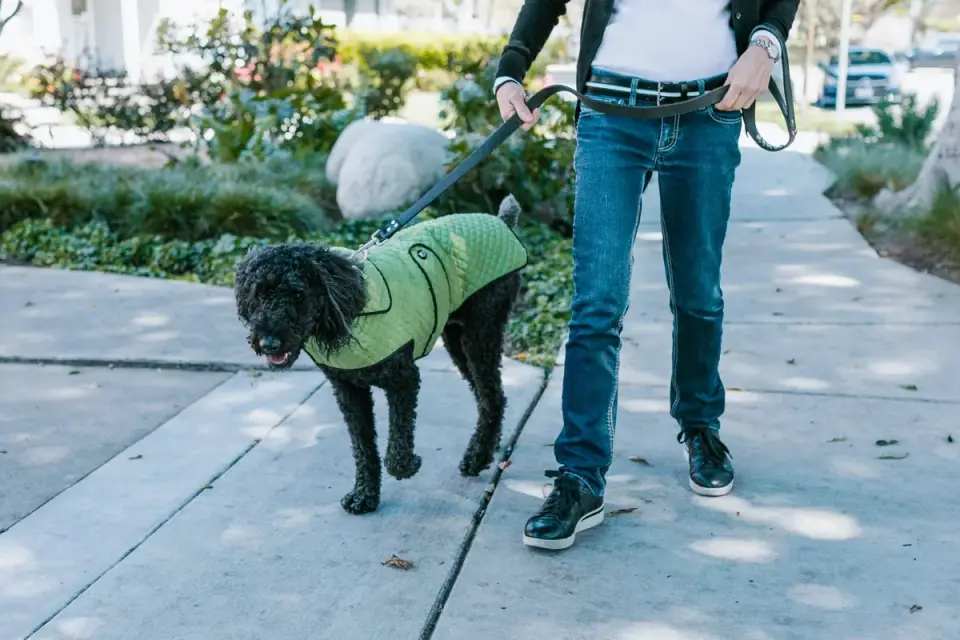
Look for quiet choices rather than excitement alone. A bonded dog often follows you room to room, checks in on walks, brings a toy to you first, settles near your feet, and recovers faster when you return after a brief absence. The American Kennel Club notes that following, eye contact, and seeking proximity are normal social behaviors in companion dogs, not proof of separation anxiety by themselves. Context matters. A relaxed body, soft face, and easy ability to settle point toward preference. Pacing, whining, panting, or inability to eat when apart point toward distress and deserve a different plan. Individual dogs vary widely. Some herding and companion breeds shadow one person closely. More independent dogs may show loyalty by sleeping in the same room rather than on a lap. Age, health, reproductive status, and past history all shift the picture.
Can the favorite person change?
Yes. Dogs update their expectations. A new schedule, a move, a baby, a shift change, or an illness that limits walks can move the center of gravity to another household member. Rescue dogs may also take weeks to months to show a clear preference as they learn the new routine. Fear history can slow the process. One owner described that their rescue had become much more comfortable overall, but men’s feet still frightened him. That kind of specific sensitivity is a reminder to keep handling low-pressure: crouch sideways, toss treats rather than reaching over the head, and let the dog close the distance.
How to build balanced bonds without forcing it
Share the good stuff across the household. Rotate feeding, walks, and short training sessions so each adult becomes a reliable source of rewards. Keep sessions brief and upbeat — two to five minutes of cues, sniff walks, and play often beats one long drill. For timing ideas, see How Long Should a Training Session Be to Tire the Brain? Use the same marker and reward rules for everyone. Consistent cues help dogs learn faster, whether the household uses a clicker or a word. This comparison can help you pick: Clicker vs. Verbal Marker Word: What Actually Changes How Fast Your Dog Learns Give the less-favored person the high-value jobs for a while: morning meal, favorite game, and the weekend adventure walk. Ask that person to practice simple wins — name response, hand touch, and loose-leash check-ins worked into real walks. Protect rest and choice. Let the dog move away from petting, keep greetings calm, and avoid cornering for hugs or photos. Dogs who can say no with their feet often say yes more often. If preference tips into guarding, growling over laps or beds, or distress when the favorite person leaves, reset the routine. Add independent settling practice, broaden rewards to other family members, and talk with your veterinarian about whether pain, anxiety, or a training mismatch is involved. For settling skills, crate work taught kindly can help: How to Crate Train a Puppy
Expectation first: you cannot assign favorite-person status, but you can earn it through predictable care. Feed on time, walk daily, train with rewards, handle gently, and share those jobs across the home. Most dogs will still have a soft spot for one person — and remain happy, well-adjusted family dogs.
Frequently asked questions
Do dogs have a favorite person?
Often yes. Many dogs show a clear preference for the household member who most consistently provides food, exercise, play, training, and calm handling. Other family members can still enjoy a strong bond.
Why did my dog pick someone else over me?
Look at daily routines. The favored person usually controls more valued, predictable outcomes. Taking over meals, walks, and short reward-based sessions for a few weeks often balances attention.
Can you change who your dog favors?
You can shift patterns by sharing high-value care across the household, keeping training consistent, and respecting the dog's choice to approach or rest. Change is gradual, over weeks rather than days.
Sources
- Oxytocin-gaze positive loop and the coevolution of human-dog bonds — Science
- Why Does My Dog Follow Me Everywhere? — American Kennel Club
- Position Statement on Puppy Socialization — American Veterinary Society of Animal Behavior