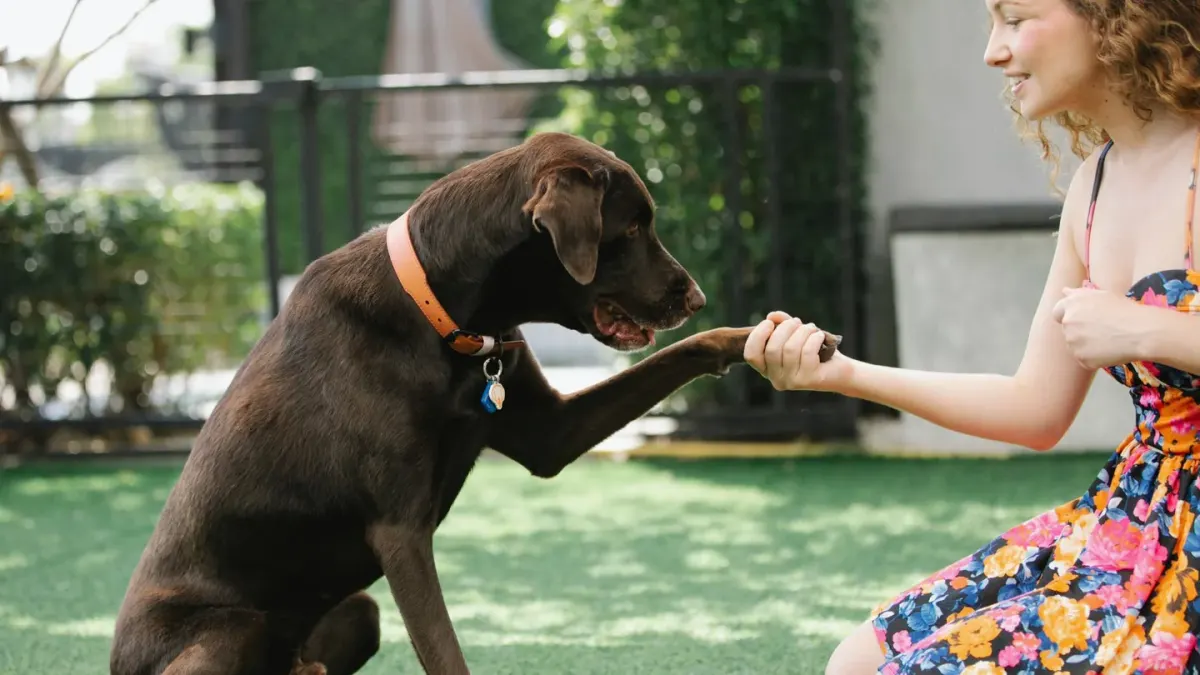
You are doing everything right and your dog still will not take the treat. He is spinning, mouthing the leash, staring past you, and that chicken you chopped up might as well be cardboard. I see this weekly, and my expectation-first counsel is the same: a dog who will not eat is telling you his brain is too full to learn.
Three weeks in with a 10-month-old, 52-pound Lab mix, the owner told me sits were perfect in the kitchen and gone at the park entrance. By day 10 of our plan, the marker that changed was not obedience. It was that he would sniff and eat a boring biscuit from her hand within three seconds at 30 feet from the gate, while at 15 feet he still paced and dropped food. That eat-or-not detail made the decision concrete for her: we were not working on sits yet, we were working on distance where his nervous system could still function.
Your dog is not being stubborn — he is over threshold
Refusing food during excitement is normal physiology, not defiance. Play, greeting, new dogs, and novel smells raise arousal, and an over-aroused dog often shifts away from eating toward scanning, vocalizing, jumping, or mouthing. The American Veterinary Society of Animal Behavior emphasizes that learning works best with low-stress, humane methods that keep the animal under threshold, which is why pushing through with louder cues or leash pops tends to raise arousal further.
Your baseline check takes ten seconds. Offer a familiar treat away from your training cue. If he sniffs and turns away, spits it out, or takes it hard and spits it, you have your answer. Training has stalled because arousal is blocking appetite and focus.
That is not a treat-value problem yet.
What to do in the next minute when he will not eat
Stop asking for behavior. You will not fix this with one more repetition.
Add space first. Step calmly 10 to 20 feet away, behind a car, bench, or trail bend, and face away from the trigger. Let him sniff the ground for 20 to 30 seconds. Sniffing may help support a calmer body pattern for many dogs, though individual dogs vary widely in how quickly they settle.
Then try one easy, well-known behavior — a nose touch, a name glance, a step of loose-leash walking — and mark and reward any mouth that eats. If he still will not eat, end that setup. Take a short decompression walk, play a sniff game, or leave. You have protected future training by not rehearsing frantic behavior.
For session length and recovery, I borrow the same short-session logic we use in How Long Should a Training Session Be to Tire the Brain? — quit while the brain can still succeed.
I tried to out-treat the excitement and it backfired
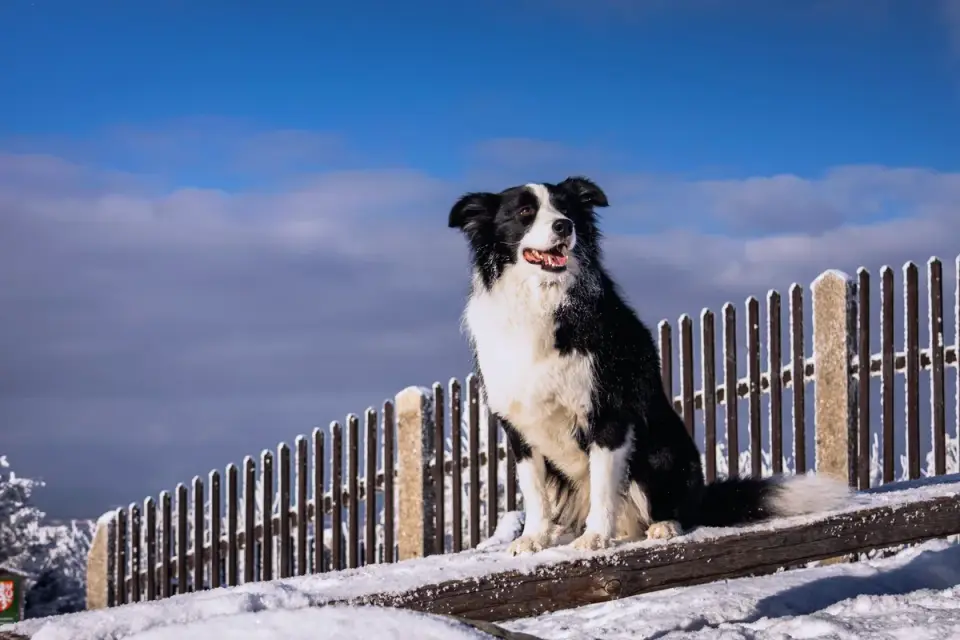
A family with a 2-year-old, 38-pound beagle mix was working on greetings outside a coffee shop, and for two weeks they escalated from kibble to cheese to steak to stay interesting. By week three, she was jumping higher, whining louder, and still dropping food when a dog passed within ten feet. The tradeoff was clear on video: higher-value food raised anticipation without lowering intensity, so arousal climbed faster than focus. We scrapped the patio for a quiet side street, switched back to kibble, and rewarded four calm glances at a distance before asking for anything. The owner hated feeling like we were going backward. That is the strongest counterargument I hear — should you not just find a better reward? Better rewards matter later, but my recommendation stays with distance and calm setup first because appetite has to return before value can matter.
Practical details help here too, from treat size to delivery speed, which is why I often point owners to How to Use a Training Treat Pouch Effectively once the setup is right.
Rebuild so excitement does not stall you again
My core recommendation is simple: train below the excitement line, then raise difficulty in small steps.
Start where he can eat easily, often at home or 40-plus feet from triggers. Keep sessions to two to three minutes. Reward offered attention, four paws on the ground, and quick check-ins. Use small, soft treats he can swallow fast so arousal does not spike between reps. The Merck Veterinary Manual notes that short, positive reinforcement-based sessions build reliable behavior more effectively than long or forceful ones, and that matches what I see in practice.
Then change only one variable at a time: closer distance, longer duration, or more distraction. If food refusal returns, you moved too fast. Drop back to the last distance where he ate within two seconds.
Add movement breaks. For many adolescent dogs, 30 seconds of sniffing or a find-it toss may help support focus for the next set better than drilling sits.
If you are torn between practicing around other dogs or getting coaching first, the stage-based guidance in Group Classes vs. Private vs. Online Dog Training: What Actually Fits Your Dog’s Stage can help you match the format to your dog.
The edge case that changes the plan
Not every food refusal is excitement. A 4-year-old, 18-pound rescue terrier I followed could not take treats on walks by day 14, but she was not spinning or pulling. She was tucked, yawning, lip-licking, and scanning for exits near traffic. At home she ate normally. That pattern pointed toward fear and low-stress handling needs rather than over-arousal, so adding distance was still right but our behavior goal shifted from self-control to building safety at the dog’s pace. The American Kennel Club also reminds owners to watch body language and adjust training to the individual dog, because triggers look different dog to dog.
Call your veterinarian if food refusal comes with vomiting, diarrhea, lethargy, weight loss, sudden behavior change, or fear that does not improve with space. Health baselines come first in preventive care.
You will know you are back on track when he notices the exciting thing and still turns back to eat. Build from there.
Sources
- Position Statements — American Veterinary Society of Animal Behavior
- Expert Advice: Training — American Kennel Club