
On this page
Travelling with a dog with a sensitive stomach means planning food, water, and rest stops differently. Expectation first: travel does not create a new digestive system, it just stacks small changes — new timing, new water, motion, stress, scraps, and licking — onto a gut you already know.
Last spring I counseled an owner preparing for a six-hour drive with a 4-year-old, 32-pound spaniel mix who skipped meals and passed loose stool during every past trip. At home his baseline was steady on one diet, two measured meals, and a morning walk before breakfast. The decision on the table was whether to buy a special travel-friendly food for the week. I advised keeping the exact home diet, pre-portioned, with the same feeding times in the new place. By day 2 on that plan, the owner reported he ate within ten minutes and had a formed morning stool, which gave us a clean baseline to judge travel stress against.
That is my core recommendation, and I hold it tightly: bring the home routine with you. Same food, same portions, same schedule, same treats — or no treats for a few days.
What travel actually disturbs
At home you control the variables. On the road you do not. Meal times slide, water sources change, car motion and strange sounds raise arousal, walks happen on different surfaces, and well-meaning relatives slip extras. For many dogs with touchy stomachs, any one shift is tolerable. Two or three at once may show up as skipped meals, gurgling, lip-licking, drooling in the car, soft stool, or overnight urgency.
Individual dogs vary widely here. Breed or size does not predict who struggles, though I do see practical differences in how owners manage intake and breaks, which is why comparing Traveling With a Small Dog vs a Large Dog: What Actually Changes can help you plan stop frequency and portion handling.
The strongest counterargument I hear is fair: why not switch preemptively to plain chicken and rice for the whole trip, just to be safe? It sounds gentler. I still do not recommend it as a default, because an abrupt diet change is itself a gut stressor, it leaves you with no baseline to interpret, and unbalanced home-cooked meals fed for more than a day or two may not meet needs. The Merck Veterinary Manual notes vomiting and digestive upset in dogs often relate to dietary indiscretion and sudden change, which is exactly what travel tempts us to do.
That sameness is the support.
Food, water, and timing on the move
Keep feeding boring on purpose. Pre-measure the regular diet into daily bags, pack one to two extra days in case of delays, and feed at home times as closely as you can. If you feed twice daily, keep that gap. Bring the usual bowl if your dog is particular about smell or clatter. Keep treats to one familiar type, in tiny pieces, or pause novel chews until you are home.
I also see the opposite tradeoff when owners try to be kind and flexible. One family traveling with a 6-year-old, 58-pound mixed-breed dog packed no extra kibble and figured they would grab whatever looked gentle on the road. By day 3 after two restaurant-scrap dinners and a gas-station biscuit, the dog was turning away from breakfast and asking out at 2 a.m. with urgency. We reset to small, on-time meals of his regular food and boring treats only, plus settled water breaks. His appetite steadied, which reinforced my rule that variety during travel rarely helps a sensitive gut find its rhythm.
Water deserves the same discipline. Bring water from home for the first 24 to 48 hours if your dog is sensitive to change, then transition gradually if you must use local water. Wash bowls daily. Avoid letting your dog drink from puddles, communal bowls, or hoses at stops. The Centers for Disease Control and Prevention emphasizes clean water and avoiding stagnant sources during pet travel, and that simple habit may help support normal digestion more than any supplement.
Feed lightly on travel mornings. A small portion three to four hours before a long drive, rather than a full breakfast right before loading, often sits better. Offer a calm potty walk before you roll.
Motion, nerves, and the crate setup
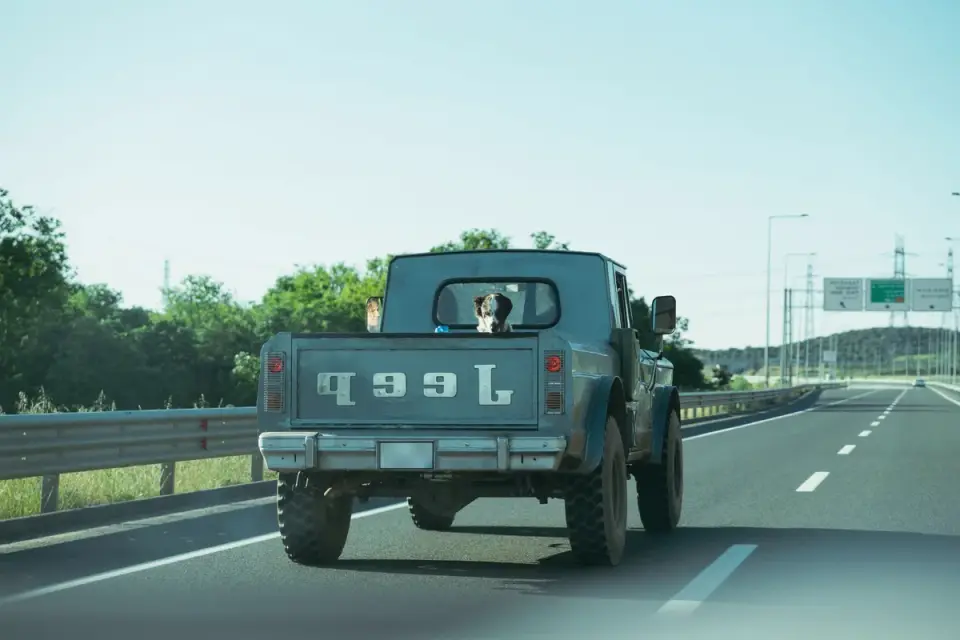
Some dogs drool, yawn, whine, or vomit in the first 30 minutes of motion and then settle. Others stay restless the whole ride. Low-stress handling helps you read which pattern you have. Keep the car cool and ventilated, keep the restraint consistent, and plan a brief sniff-and-potty break every two to three hours rather than one long marathon.
Crate versus harness matters for comfort and safety, and a dog that braces or slides tends to feel worse. If you are still deciding, review Dog Car Seat Belt vs Crate vs Barrier: Which Restraint Is Safest? before you go, and test the setup on short drives with the same bedding you will use on the trip. For air travel, the logistics shift again — cabin rules, cargo limits, and timing — so read How to Fly With a Dog: The Complete Guide early and talk with your own vet about motion history well before tickets are booked.
Do not add new calming chews, probiotics, or anti-nausea products for the first time on travel day. If your vet has previously recommended a supportive product for situational upset, trial it at home first so you know baseline behavior. The American Veterinary Medical Association reminds owners to check health certificates, ID, and veterinary contacts before travel, and I would add your dog’s diet list and any current feeding plan to that folder on your phone.
Keep evenings quiet. Same dinner time, same walk order, then settle. Predictability may help support normal behavior after a stimulating day.
The edge cases and when I pivot
The edge case I watch for is water and licking, not just food. An owner wintering with a 9-year-old, 18-pound small-breed dog called worried about gurgly mornings that had not happened at home. Nothing in the diet had changed, but the rental had a softener, the dog was drinking more after heater-dry nights, and he was licking unfamiliar floors on long indoor days. By day 10 we had switched to the water he drank at home, carried from gallons, added a midday potty walk, and blocked licking with a mat and chew routine. Mornings quieted, which reminded me to track environment as closely as meals.
Pack a small gut kit: regular food, familiar treats, bowls, paper towels, enzyme cleaner, extra poop bags, bottled water, any vet-prescribed items, and a one-page note with feeding amounts, usual stool pattern, and your vet’s number plus a clinic near your stay.
Call your own vet or a local clinic promptly for repeated vomiting, bloody stool or vomit, marked lethargy, belly pain, bloat, refusal to drink, or no urine or stool for more than 24 hours with straining. Those signs move beyond sensitive-stomach management.
Looking forward, the dogs who travel best are rarely on perfect protocols. They are on familiar ones, repeated patiently in a new place until the new place feels routine.
Frequently asked questions
Should I switch to a bland diet for the whole trip if my dog has a sensitive stomach?
In most cases, no. Keep the regular balanced diet on the same schedule to preserve a baseline. Reserve short-term bland feeding for specific veterinary advice, and retransition carefully.
How much extra food should I pack?
Pack daily pre-portioned bags plus one to two extra days for delays, along with familiar treats and water from home for the first day or two when possible.
When should travel vomiting be a vet visit instead of wait-and-see?
Seek care for repeated vomiting, blood, lethargy, belly pain or distension, refusal to drink, or inability to pass urine or stool with straining.
Sources
- Vomiting in Dogs — Merck Veterinary Manual
- Traveling with Your Pet — American Veterinary Medical Association
- Healthy Pets Travel — Centers for Disease Control and Prevention