
Picture a 35-pound dog curled against your legs on the couch, warm and soft, but still light enough to lift into the car without help.
That is the promise of medium fluffy breeds. You get the cuddle factor people want from a big, plush coat without the space and strength demands of a very large dog. My expectation-first advice is this: choose for the brushing routine you will actually keep, not just the look you love on day one.
What medium and fluffy really means day to day
Medium usually means about 25 to 60 pounds as an adult, with most of these fluffy companions landing in the 35- to 55-pound range. Fluffy means a medium-length to long double coat or dense, plush single coat that needs regular brushing to prevent mats.
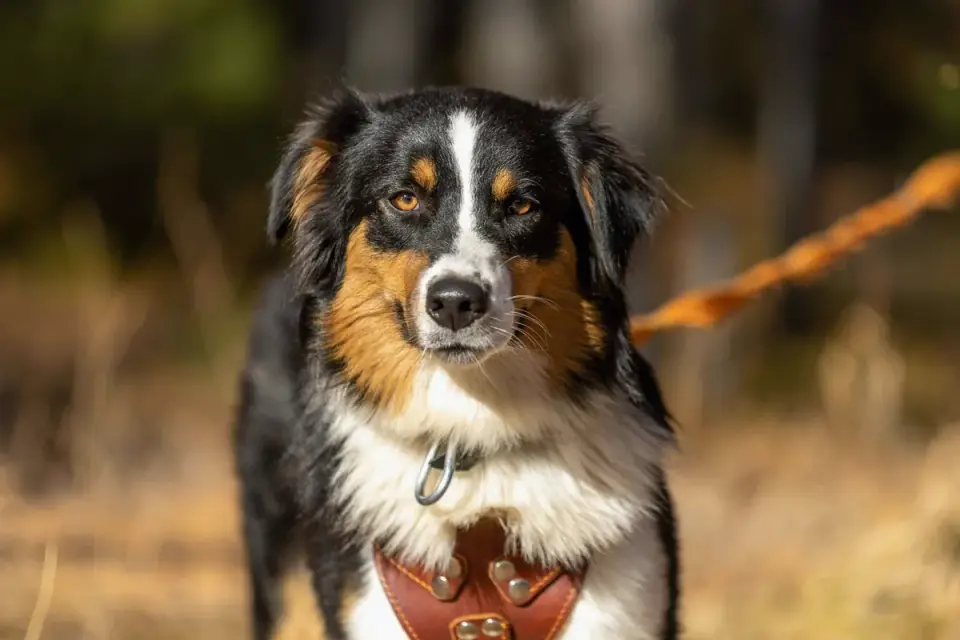
A few familiar examples show the range. The American Kennel Club describes the Siberian Husky as a medium-sized, dense-coated working dog, which helps explain both the appeal and the shedding. Australian Shepherds, Keeshonds, Chow Chows, Finnish Lapphunds, and smaller Standard Poodles or poodle mixes often come up in the same conversation, though individual dogs vary widely in temperament.
Coat type matters more than breed name for your vacuum and your schedule. Double coats shed seasonally and blow out in clumps in spring and fall. That is normal structure and function, not a flaw.
The brushing baseline that keeps these coats comfortable
If you want a simple baseline, plan on brushing two to three times a week, plus a more thorough check during heavy shedding seasons.
VCA Hospitals outlines how brushing removes loose hair and prevents mats, and recommends matching brush type to coat length and texture. For most medium fluffy dogs that means a slicker brush or pin brush for general work plus a wide-tooth metal comb to check down to the skin behind the ears, under the collar, in armpits, and around the hind legs.
Keep sessions short and low-stress. A few treats, a comfortable mat, and stopping before your dog gets fidgety may help support cooperative care over time. Vets often see mats tighten fastest in high-friction spots, so a quick two-minute comb-through after hikes, baths, or rainy walks prevents a much longer dematting session later.
You do not need to bathe often unless your dog gets dirty or smelly. Too-frequent bathing can dry skin, and a damp undercoat left unbrushed is a perfect setup for tangles.
Temperament and home fit matter more than fluff
Fluffy does not mean calm. That is the doubt a skeptical friend should raise, and they are right to ask.
Many medium fluffy breeds were bred to work, herd, pull, or alert bark. They tend to be smart, social, and people-oriented, which makes them cuddly when their exercise and mental needs are met. Without that outlet, you may see restlessness, barking, or herding nips at heels.
Walk through your real week:
- Space: Most do well in a house or a larger apartment with daily outdoor time, especially if you already know what works for apartment living.
- Activity: Plan on 60 to 90 minutes of movement plus training or sniff time for herding and northern types. If that sounds like a lot, compare notes on which high-energy breeds need a job to stay happy.
- People time: These are companion-oriented dogs. Long solo days without a midday break are tough for them.
- Allergies: No dog is truly non-shedding, and fluff plus dander can bother sensitive households. Read what hypoallergenic really means before you fall for a soft coat.
Behavior is individual. Socialization, training history, age, and health shape temperament far more than a breed photo does.
Shedding, seasons, and realistic upkeep
Expect hair. Even with great brushing, you will find it on sweaters, car seats, and couch corners.
Cornell University College of Veterinary Medicine explains that shedding is influenced by coat type, season, daylight, and health, with double-coated breeds showing heavier seasonal cycles. That seasonal pile of soft undercoat is normal.
What is not normal is sudden bald patches, constant scratching, odor, greasy or flaky skin, or a dull coat that changes quickly. Those signs deserve a vet visit to check for skin, thyroid, nutritional, or parasite issues rather than a new brush.
A practical rhythm works for most families: brush midweek and on weekends, comb friction spots after outdoor play, trim nails monthly, and book a professional groom every 8 to 12 weeks if you do not want to manage sanitary trims and dense undercoat removal yourself.
Who should choose one, and who should pause
You may love a medium fluffy dog if you want an affectionate, sturdy cuddle partner, you enjoy daily walks and training, and you can keep up with brushing.
Pause if you want very low grooming, need minimal shedding for health reasons, or are away from home most of the day. A shorter-coated medium breed may fit your baseline better, and that is a good, preventive choice.
If you are torn between similar fluffy herding breeds, sitting down with the side-by-side differences in Border Collie vs Australian Shepherd can help you feel how energy and coat care actually change your day.
Choose the dog whose care you can sustain with kindness for 12 to 15 years. The fluff is wonderful, but the daily routine is what keeps it soft.
Frequently asked questions
Are medium fluffy dog breeds good for first-time owners?
Some can be, if you have time for daily exercise and brushing two to three times a week. Herding and northern types are smart and social but can get restless without a job to do, so match energy and grooming needs to your schedule.
How much do medium fluffy dogs shed?
Most shed year-round with heavier seasonal blowouts in spring and fall, especially double-coated breeds. Regular brushing reduces loose hair around the house but will not stop normal shedding.
How often should I brush a medium fluffy dog?
Plan on two to three brushing sessions per week, with extra comb checks behind ears, under the collar, and around legs during shedding season. Keep sessions short and positive, and ask your vet or groomer for brush advice for your dog's coat.
Sources
- Siberian Husky Breed Standard — American Kennel Club