A yard recall works when coming back pays better than everything else out there, every single time at first.
That is the expectation to set before you say “come” once. In a fenced yard the goal is not obedience for its own sake. It is a dog who whips around mid-sniff and sprints back because history says that choice is safe and worth it. That takes short sessions, high-value food, and a cue you protect from repetition.
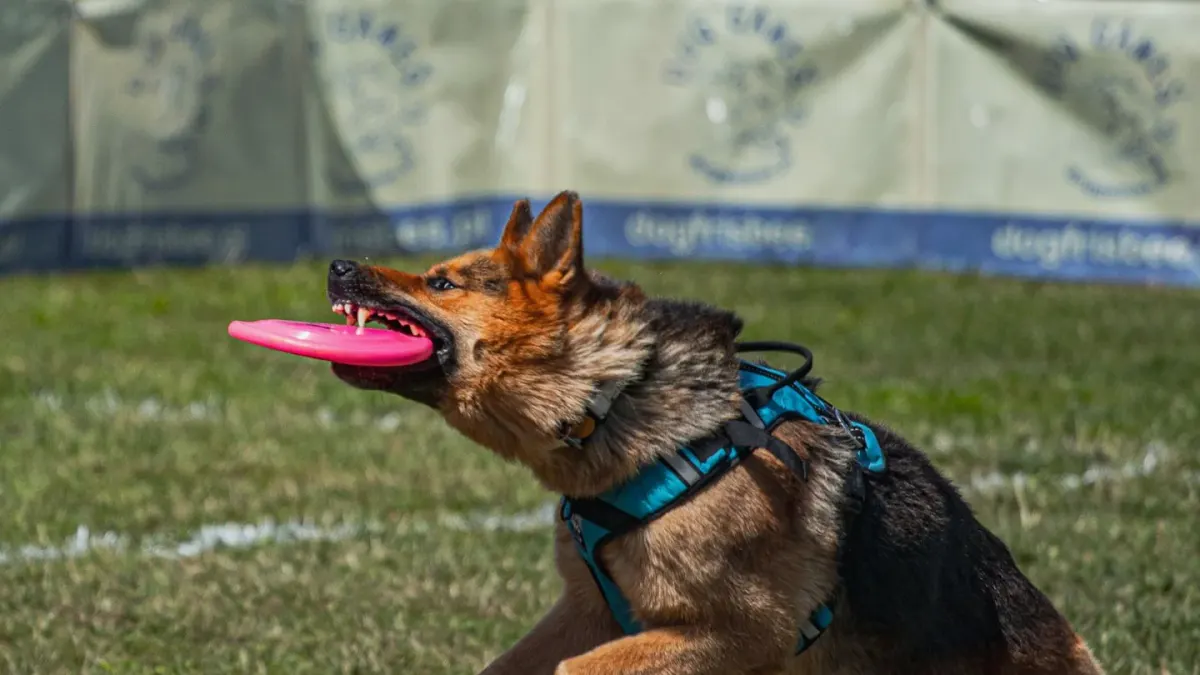
A neighbor with a 2-year-old shepherd mix started there. She had been calling “come, come, COME” from the back steps while the dog paced the fence at about 15 feet away, then finally trotted over after the third shout. They reset for one week to a new word, “here,” said once, followed by chicken every time. By day five the dog was turning on the first syllable at that same 15-foot distance, even with squirrels on the fence, because the new cue had no history of being ignored.
What should “come” mean to your dog?
Pick one recall word and keep it clean. “Here” or “come” both work. Say it once, then help the dog succeed. Vets often see recall break down because the word gets repeated until the dog learns that the third or fourth call is the real one.
Start 6 to 8 feet away in a boring corner of the yard. Say the cue in a bright tone, open your arms, jog backward two steps, and feed three tiny treats in a row when the dog reaches you. Touch the collar gently before you feed, then release with “go play.” That collar touch prevents the grab-and-groom-ending that makes dogs slow down next time.
The American Veterinary Society of Animal Behavior emphasizes rewarding desired behavior rather than correcting mistakes, and recall is the clearest example. Pay the turn, pay the run, pay the arrival.
How do you build distance without losing speed?
Add distance in small slices. Move from 8 feet to 20 feet over several sessions, not in one afternoon. Keep your rate of reinforcement high at first — every recall gets paid — and keep sessions under five minutes. If you want a gauge for mental fatigue, this breakdown of how long a training session should last to tire the brain is a useful check.
Call once. If the dog does not turn within two seconds, do not repeat the cue. Make a kissy sound, clap, jog away, or go get the dog cheerfully and reset closer. You are protecting the word.
A family with a beagle learned this the hard way. They practiced 12 rapid-fire recalls in a row across a long yard, using dry biscuits, while the kids shouted the cue from the patio. By rep eight the dog started detouring to sniff, then trotting, then ignoring the call entirely. They cut back to four recalls per outing, switched to pea-sized cheese, took turns calling from only 10 feet apart, and ended while the dog still wanted more. Speed returned because the tradeoff became obvious: fewer reps with better pay beat drilling until the cue went flat.
Use a long line even inside a fence while you build reliability. It is a safety backup, not a tug. Let it drag, step on it if needed, and keep rewarding voluntary check-ins you did not call.
When do you add real-yard distractions?
Only after the dog recalls quickly at 25 to 30 feet with no distractions, nine times out of ten. Then add one distraction at a time: a tossed toy, a family member gardening, another dog behind the fence, dinner smells from the grill. Increase difficulty, distance, and duration separately, never all three together.
Proof with games. Have a helper hold the dog while you jog away, call once, and pay with a chase or tug burst. Practice “go play” as a release so recall does not always mean fun ends. The American Kennel Club notes the same principle: coming should lead to good things, not just the end of outdoor time.
For marker timing that sharpens these reps, compare options in clicker vs. verbal marker word and pick the one you can deliver in under a second.
What if your dog only recalls when you have treats?
That is normal at first, and it is also where the usual “always carry treats” advice has to bend. A 10-month-old cattle dog mix knew the routine too well: sprint back for chicken in the yard, then blow off the cue on walks when hands were empty. The owner worried she had bribed the dog forever.
They changed the payoff, not the standard. In the yard they shifted to a variable schedule — food three times, then a thrown ball, then praise plus a release to sniff — while keeping the rule that every fast recall still earned something real. They also stopped calling when they could not reinforce, and instead walked over calmly to collect the dog. Within three weeks the young dog started checking in unprompted, because coming back no longer depended on seeing a treat pouch first.
Individual dogs vary in what holds value. Some work for food, some for a ball, some for permission to go back to sniffing. Match the reward to the distraction you just beat.
What should you stop doing this week?
Stop repeating the cue. Stop calling to trim nails, bathe, or go inside every time — go get the dog sometimes instead. Stop practicing when the dog is tired, over-aroused, or already ignoring you from 40 feet away. Short, successful reps build a baseline; long, failed reps teach ignoring.
If recall collapses around other dogs or new places, step back to private practice before group work. This guide to group classes vs. private vs. online training can help match the setting to your dog’s stage.
You want a dog who hears one word and thinks: turn now, run fast, good things happen at my person.
Frequently asked questions
How many recalls should I practice per session?
Keep it to 3 to 5 fast, paid recalls per outing at first. End while your dog still wants more rather than drilling until speed fades.
Should I use a leash in a fenced yard?
Yes, while you are training. A lightweight long line dragging behind your dog lets you prevent a self-rewarded run-off without repeating the cue.
What treats work best for recall?
Use small, soft, high-value food your dog only gets for recall — chicken, cheese, or freeze-dried meat. Pay every fast recall at first, then vary between food, play, and sniffing as reliability grows.
Sources
- Humane Dog Training Position Statement — American Veterinary Society of Animal Behavior