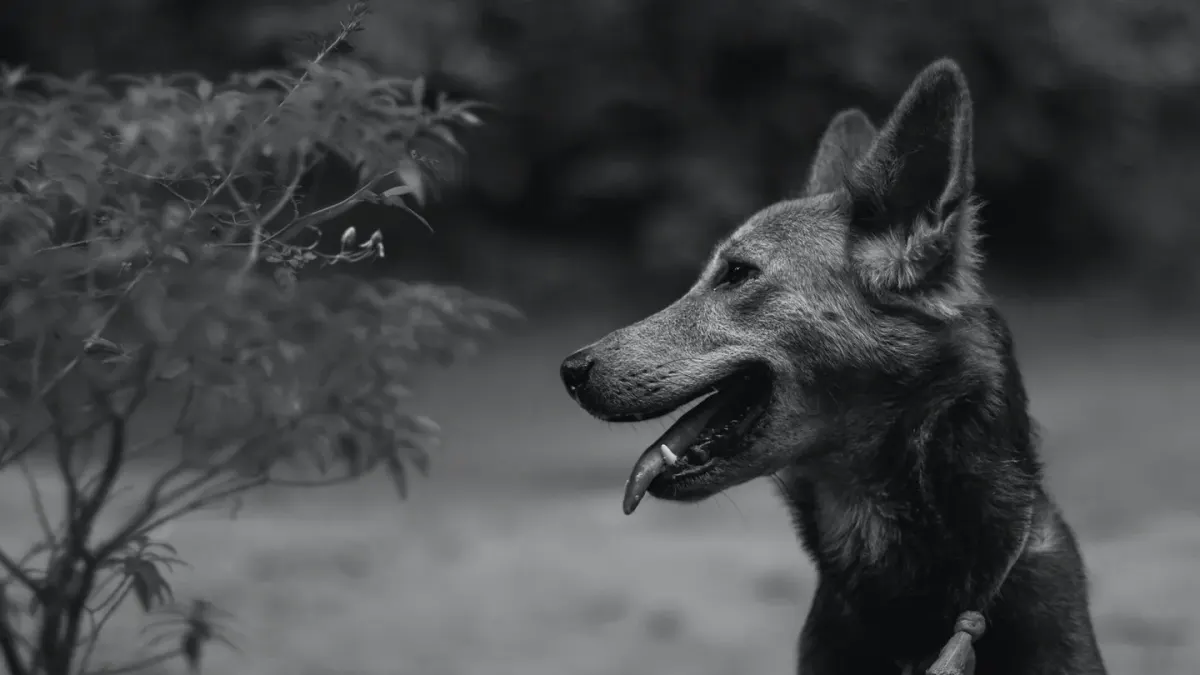
On this page
A Border Collie circles the backyard fence at 7 a.m., eyes locked, already on shift while the coffee is still brewing.
That is the herding contract in miniature. These dogs were selected for hours of cooperative work with people, reading movement, responding to whistles and body cues, and making decisions on the move. If you can offer that kind of job, you will love them. If you cannot, that same brilliance turns into chasing, nipping, barking, and restlessness.
Quick checklist before you fall for the look:
- Daily job, not just exercise: 60-120 minutes of active work plus training for most herding breeds
- Training style: calm, consistent cues and a clear off-switch; they notice every inconsistency
- Herding instincts at home: eye, stalk, chase, heel-nipping, and barking at bikes, kids, and other pets
- People focus: Velcro dogs that want to be with you and know the routine
- Coat and upkeep: from wash-and-go smooth coats to heavy double coats that shed seasonally
- Space trade-off: a small yard helps, but structure beats square footage — see our guide to which high-energy breeds need a job to stay happy
Individual dogs vary widely, even within a breed. Use this as structure and function, not a guarantee of temperament.
Why a job matters more than smarts
Herding behavior is motor pattern, not just intelligence. Eye, stalk, chase, and grip were shaped into a controllable sequence so a dog could move stock without harming it. The American Kennel Club groups these breeds by that shared history of working closely with shepherds and stock handlers.
In a pet home, that sequence still fires. Without livestock, it lands on squirrels, soccer games, vacuum cleaners, and running children. That is why vets often see herding mixes for ankle-nipping and car-chasing rather than disobedience.
Food, rest, movement, and training rhythm may help support steady nervous-system function, which is how this work is thought to work — not a cure for behavior, but the foundation that lets learning stick.
They learn fast because they were bred to adjust.
Meet the classic herding workers
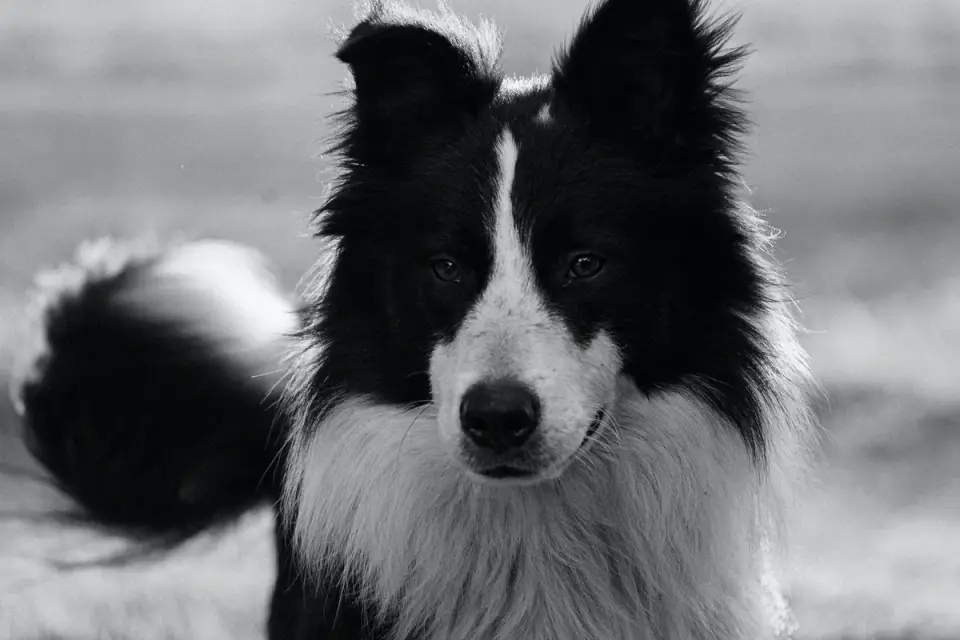
Border Collie. The intense, visual herder. Bred for all-day gathering with extreme sensitivity to motion and handler cues. VCA Animal Hospitals describes the classic pattern of high trainability paired with a need for daily mental work. Best for runners, sport homes, or farm homes that can train in short sessions every day.
Australian Shepherd. Athletic, loyal, and often vocal. Less eye than a Border Collie, more body and bark to push stock. Needs a job such as agility, nose work, or structured herding lessons, plus a clear place to settle.
Australian Cattle Dog. Compact, tough, and tenacious. Bred to nip heels and keep working in heat and rough ground. Loyal to one family, often reserved with strangers, and happiest with 90-plus minutes of hard activity and problem-solving.
German Shepherd Dog. The versatile drover and guardian type. Strong bond, strong work ethic, and strong need for socialization and obedience foundation. Apartment life is possible only with serious time commitment, as we note in best dog breeds for apartment living.
The steady drovers and quiet helpers
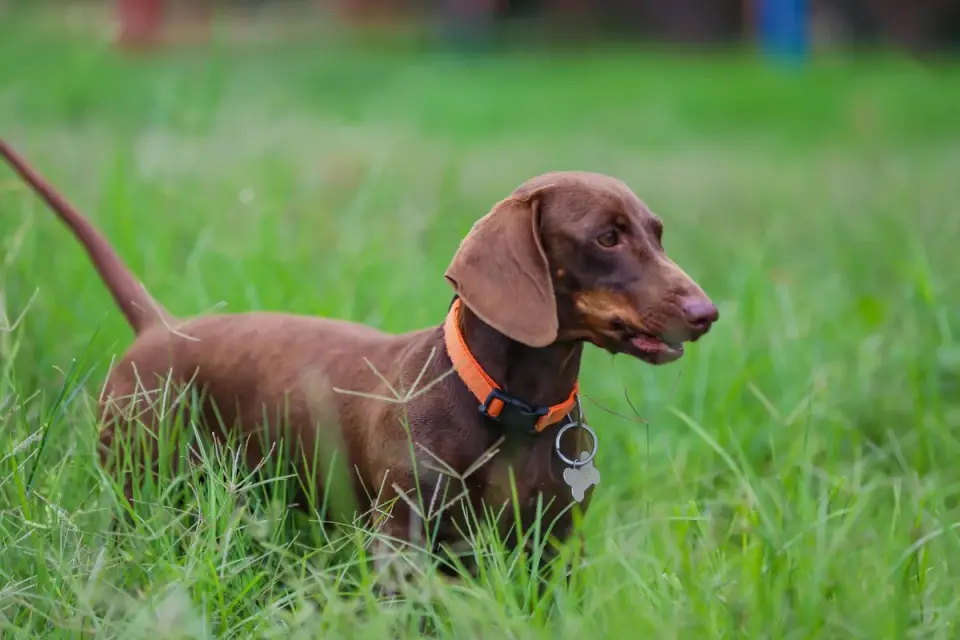
Old English Sheepdog and Bearded Collie. Shaggy, bouncy drovers with humor and bounce. More easygoing than Border Collies, but still loud, mouthy adolescents without training. Coat care is the real trade-off — weekly brushing and regular trims.
Shetland Sheepdog. Small, bright, and sound-sensitive. A great fit for a smaller home that can offer training games and quiet structure, not a silent home. Barking is part of how the breed is thought to work to move stock and alert the handler.
Pembroke and Cardigan Welsh Corgi. Low-stationed cattle drovers with big voices and big opinions. Easier exercise needs than a Collie, harder weight control. Keep them lean; long backs and short legs do poorly with extra pounds.
Belgian and Dutch types — Malinois, Tervuren, Laekenois, Dutch Shepherd. Serious athletes for experienced handlers. They bond hard and need skilled, reward-based training plus real work in sport, search, or herding. Not starter dogs.
For a side-by-side of two favorites, see Border Collie vs Australian Shepherd.
How to choose for your real week
Walk through a normal Tuesday, not your best Saturday. Who trains before work. Who covers the midday outing. What happens when it rains for three days.
Choose lower-intensity drovers like Corgis or Shelties if you want herding character in 45-60 minutes a day plus weekend classes. Choose Border Collies, Cattle Dogs, or Belgians only if you can offer daily training, weekly sport or lessons, and tolerance for herding mistakes in the first two years.
Plan the off-switch from day one. Crate rest, chew time, mat training, and predictable sleep help a busy brain downshift. In practice, the families who do best are not the most athletic — they are the most consistent.
Living well with that herding brain
Teach what to do instead of chasing. A recall, a middle position between your legs, a go-to-mat cue, and leash skills around bikes and joggers will get more use than any trick. Reward calm check-ins heavily in months 4 to 14.
Give outlets in layers: sniff walks, fetch with rules, tug with a drop cue, puzzle feeders, and one weekly class for agility, herding instinct testing, rally, or tracking. Rotate, do not stack exhaustion on top of arousal.
Watch for sound sensitivity, motion reactivity, and nipping at heels and sleeves. Early, positive socialization and management with gates and long lines prevent rehearsal while training catches up. Talk with your own vet about behavior, nutrition, and preventive care for your individual dog, especially if reactivity is escalating.
If allergies shape your choice, read best hypoallergenic dog breeds for allergy sufferers before you assume a herding coat will work — most shed.
Pick the job you can sustain for 12 to 15 years, then pick the breed that loves that job.
Frequently asked questions
Are herding dog breeds good for first-time owners?
Some can be, especially Corgis, Shelties, and well-bred Collies with training support. High-drive types like Border Collies, Cattle Dogs, and Malinois are usually too much job for a first-time schedule without a trainer and a weekly sport.
How much exercise does a herding dog need?
Most need 60-120 minutes of active time daily plus mental work. A leashed walk alone rarely suffices; add training sessions, sniff time, and a structured sport or task.
Do herding dogs get along with kids and cats?
They can with supervision, training, and management. Herding eye, chase, and nipping are normal breed traits, so teach calm behavior around running children and small pets and use gates and leashes early on.
Sources
- Herding Dog Breeds — American Kennel Club
- Border Collie Dog Breed Information — VCA Animal Hospitals