On this page
Measure around the widest part of the chest first, then check neck and back length — that order answers fit for most dogs better than any breed name on a chart.
I see this mismatch in clinic too. Body shape varies far more within a breed label than shoppers expect, and individual dogs vary widely in weight, coat, and proportions. A lean field-bred Labrador and a stocky show-bred Labrador can wear two different coat sizes, and that is before we account for mixed breeds. Use a breed chart as a rough starting point, then let the tape measure decide.
Why breed size charts mislead
Breed charts assume an average dog that often does not exist.
Three common problems:
- Same breed, different build. Sex, age, neuter status, body condition, and breeding lines shift chest depth by inches. That matters because most sweaters and coats are cut to tolerate only 1–2 inches of error at the chest.
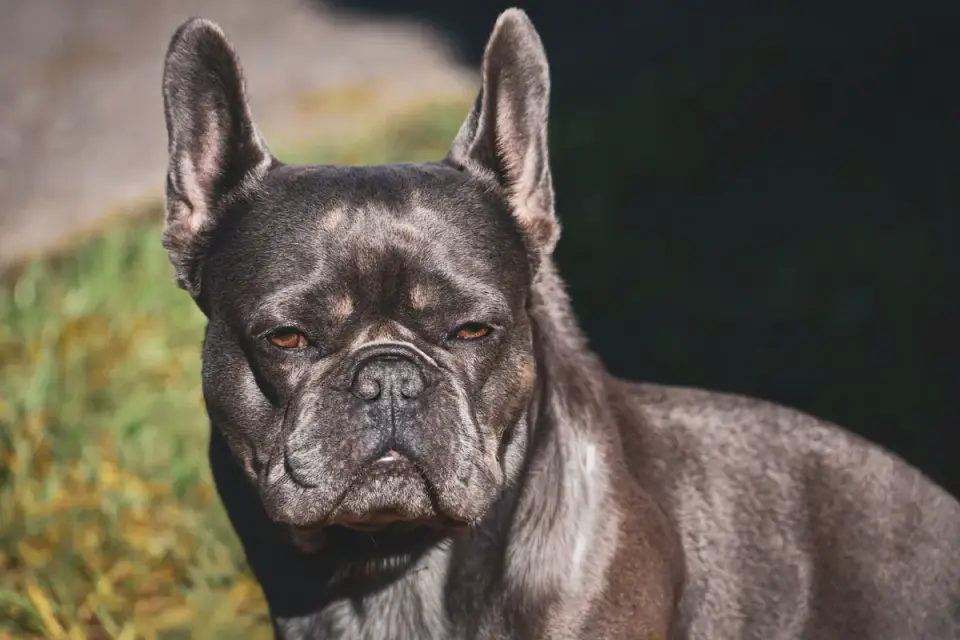
- Same weight, different shape. A 20-pound French Bulldog, a 20-pound Miniature Poodle, and a 20-pound Dachshund need different neck openings, leg clearance, and length. Weight-based rows hide that.
- Same label, different brand. There is no standardized sizing across pet apparel companies. A medium in one brand can match a large in another, so a chart that says “Beagle = Medium” cannot transfer reliably.
That pattern is familiar from cardiology: I trust a direct measurement — echocardiography over a guess from body weight — and I hedge the rest. For clothes, trust the tape over the breed row.
Andrea learned this with Gideon, her 11-year-old neutered male Pomsky in Chula Vista, California. The breed chart put him in a small based on weight, but his chest measured in the medium range and his back ran short. Ordered by breed, the coat pulled across the shoulders and rode forward when he walked. Ordered by chest girth with attention to length, the next style up in a shorter cut sat flat without restricting stride.
How to measure for a better fit
You need a soft tape, your dog standing square, and a treat to hold position. Measure over the coat your dog will wear underneath — a thin T-shirt versus a thick fleece changes girth.
- Chest girth: Wrap around the widest part of the ribcage, just behind the front legs. Keep one finger of slack. This is the size-deciding measurement for most coats, sweaters, and pajamas.
- Neck: Measure around the base of the neck where a collar sits, not the throat. Add about half an inch to one inch so you can slip two fingers underneath.
- Back length: Measure from the base of the neck at the withers to the base of the tail, not the tail tip. For long-backed types, compare this carefully to the maker’s length chart; this is where Dachshunds and many mixes fall between sizes.
- Weight and belly check: Weigh for context, then recheck chest after the garment is on. You should be able to slide a flat hand under the chest band without gaping at the neck.
If your dog is between sizes, size up for chest fit in winter coats and water-resistant shells, then use adjustable straps or a shorter length option. A snug chest restricts movement and breathing effort; a slightly long back is usually the lesser problem unless it interferes with urination or hind legs.
For households comparing body types, it helps to think in structure rather than label, much as we do when comparing Standard vs Miniature Dachshund: The Size Difference That Actually Changes Care or Toy Poodle vs Miniature Poodle: Which Size Actually Fits Your Life. Length, leg height, and chest depth drive daily care decisions more than the breed name alone.
How to use a breed chart without trusting it
Breed charts are still useful for narrowing choices before you check stock. Find your dog’s approximate row, then ignore the letter size and copy down the inches listed for chest, neck, and length. Compare those inches to your own numbers and to that specific maker’s size table.
Look for:
- Actual inch ranges, not just S/M/L. If a brand does not publish chest and length in inches, pick one that does.
- Cut notes for broad chests and long backs. Some makers offer bulldog, Dachshund, or Greyhound cuts. Those solve more fit problems than sizing up in a standard cut.
- Closure type. Step-in pajamas and pullover sweaters need more neck and shoulder give than zip or Velcro coats. When in doubt, check return policy before trimming tags.
- Function. A light rain shell can fit closer than an insulated parka meant to trap air. The American Veterinary Medical Association notes that short-coated, small, young, and older dogs lose heat faster in cold weather, which is when a windproof, well-fitted coat that covers chest and belly without dragging matters most.
Fit checks once it is on
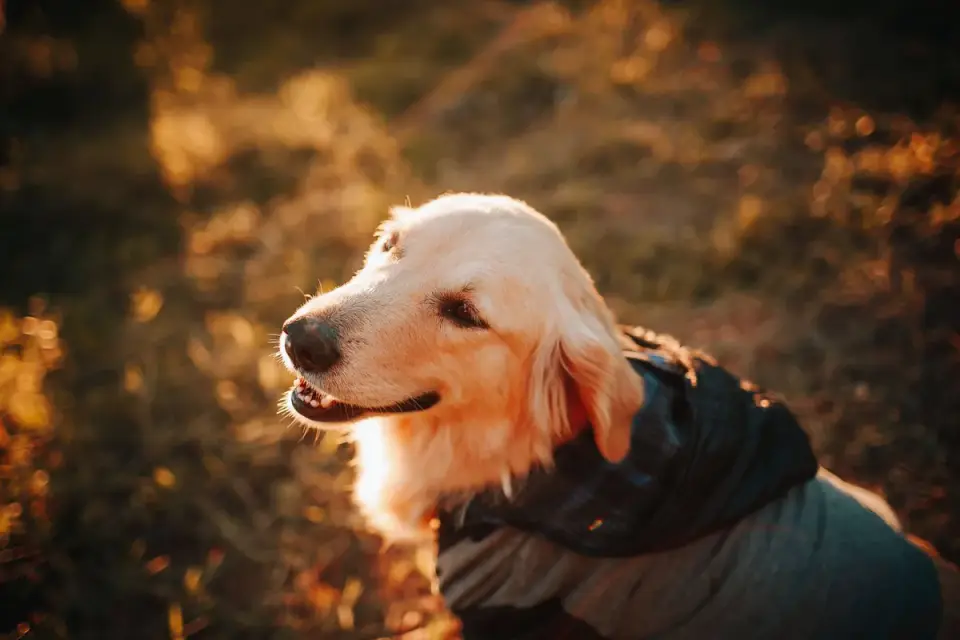
Put the garment on indoors for five minutes and watch your dog move. Look for a level back, free shoulder motion, no chafing behind the front legs, and room to posture to urinate and defecate without soiling fabric. Remove and recheck skin, especially under straps, in older dogs and dogs with thin coats.
Skip the outfit or try another cut if you see rapid panting at rest, reluctance to walk, bunched fabric under the arms, or a neck opening that presses on the throat rather than resting at the base of the neck. Dogs with heart or airway disease deserve extra caution about anything snug around the neck or chest — support from a sweater is not therapy for congestive failure or arrhythmia, and impaired exercise tolerance should prompt a veterinary visit rather than a different coat size.
Mixed-breed owners feel this most. If your dog does not map to one breed row, which is common, the comparison in Purebred vs Mixed-Breed Dogs: What to Consider is a useful reminder: proportions, not pedigree labels, predict needs. The broader Dog Breed Care Guide: How Care Needs Actually Vary by Breed makes the same point for grooming, space, and activity — start with the individual dog in front of you.
When you remeasure every season, especially for puppies, seniors with muscle loss, and dogs gaining or losing weight for health reasons, you will replace fewer returns with a better-fitting closet.
Frequently asked questions
Should I buy dog clothes by breed or by measurements?
Use measurements. Find your breed row only to narrow options, then match your dog's chest girth first, followed by neck and back length, to that brand's inch chart.
What if my dog is between sizes?
Size up to fit the chest for coats and sweaters so shoulder movement and breathing are unrestricted, then choose a shorter length or adjustable closures if the back runs long.
Do all dogs need coats in winter?
No. Short-coated, small, very young, and older dogs chill more easily and benefit most. Fit should cover chest and belly without restricting legs or causing overheating indoors.
Sources
- Cold Weather Pet Safety — American Veterinary Medical Association