
On this page
The three measurements to take before you shop
Most sizing charts boil down to the same three numbers, and getting them right first saves a return trip to the mailbox.
- Neck — measured where a collar naturally sits, roughly two to three finger-widths above the shoulders.
- Chest girth — the widest point of the ribcage, usually just behind the front legs.
- Body length — from the base of the neck to the base of the tail, along the topline.
A soft, flexible tape measure works far better than a rigid ruler here; a strip of string laid against a ruler afterward is a fine substitute if that’s what you have on hand. Have your dog stand square on all four legs rather than sitting, since a seated chest measurement tends to run small.

Neck vs. girth: why gear asks for both
Collars care almost entirely about neck circumference. Harnesses care about girth first and neck second, because the chest strap carries most of the load and the neck loop mostly keeps the harness from twisting sideways. That’s the practical reason a dog can be a small collar size and a medium harness size at the same time — a barrel-chested breed like a French Bulldog or a Boxer often has a chest girth that outruns its neck measurement by several inches, according to sizing guidance from PetMD. Skip the girth number and go by collar size alone, and a harness will gap at the chest even while it fits snugly at the neck.
Body length matters for a different category of gear: coats, sweaters, and back-clip car harnesses that run along the spine. It’s the measurement people skip most often, and it’s the one that determines whether a coat rides up over the shoulders or drags past the tail.
Taking each measurement without a fight
A treat in one hand and the tape in the other beats trying to hold a squirming dog still with no reward involved.
Neck: Loop the tape around the base of the neck, near the shoulders rather than up by the ears. Snug it until it sits flat against the fur without compressing it, then slide two fingers underneath — that’s your working number, not the tightest possible loop.
Chest girth: Wrap the tape around the ribcage just behind the front legs, at the widest point of an inhale. Dogs breathe, so take the measurement mid-breath rather than at full exhale, which reads a size small.
Body length: Run the tape from the point where the neck meets the shoulders back to the base of the tail — not the tip. This is the one measurement most likely to get skipped for collars and harnesses, and the one that ruins coat fit when it does.
Once you have numbers, check them against the two-finger rule as a fit test rather than a substitute for measuring: the American Kennel Club notes that once a harness is buckled, two fingers should slide under any strap without much resistance. Too loose and the fingers slip through easily with room to spare; too tight and they won’t fit at all.
Common sizing mistakes worth avoiding
A few errors show up again and again in return requests.
Measuring over a thick winter coat inflates every number by half an inch or more, so measure against the skin, or as close to it as the dog will tolerate. Measuring a growing puppy once and buying for six months out skips the re-check that catches a growth spurt before the collar gets uncomfortably tight. And relying on breed averages instead of your specific dog’s numbers ignores how much body shape varies within a breed, even among dogs of the same weight.
The VCA Animal Hospitals overview of collar and harness options is a useful gut-check if you’re also weighing collar type against harness type before you get to sizing — a flat collar and a front-clip harness fit differently even at the same neck measurement, because the harness distributes pressure across the chest instead of the throat.
Dogs prone to escaping tight spaces or slipping collars deserve extra attention to fit, and if that’s a recurring issue in your household, a GPS tracker for an escape-prone dog is worth pairing with a properly measured harness rather than relying on either alone. If your dog is between sizes on a coat specifically, checking body length against the brand’s chart matters more than chest girth, since length is what tends to bunch at the shoulders or drag at the tail. And if you travel, the sizing stakes go up: airlines and carriers often require a snug, well-fitted harness, which is one more reason to get the numbers right before a trip covered in our guide on how to fly with a dog.
Record it once, reuse it everywhere
Write the three numbers down somewhere you’ll actually find them again — a phone note works. Every collar, harness, coat, and even some feeding stations reference the same basic measurements, so a five-minute session with a tape measure now saves repeat guesswork. If your dog also struggles with a messy feeding setup, the sizing logic carries over there too, and our guide to mats and trays for a messy eater’s feeding station covers how to measure the space around a bowl the same deliberate way.
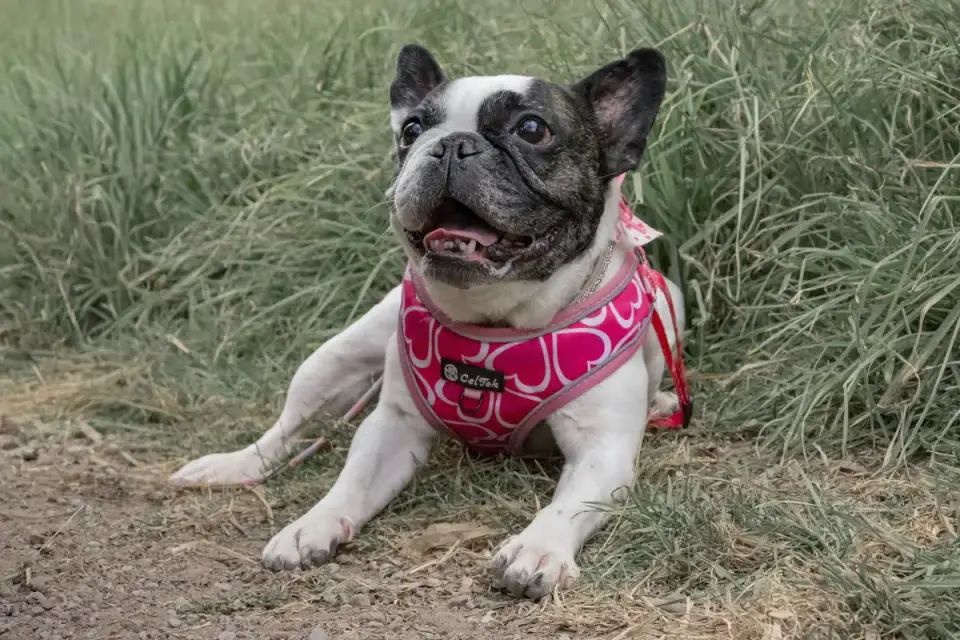
So which number should you trust most when a chart gives conflicting advice? Usually girth, since it’s the measurement gear fails on most often — but a tape measure and five quiet minutes will tell you more than any size chart alone.
Individual dogs vary in body shape even within the same breed and weight; when in doubt about fit or comfort, ask your veterinarian or a trusted gear retailer’s sizing support.
Frequently asked questions
How often should I re-measure my dog?
Puppies and dogs recovering from illness or weight loss should be re-measured every 6 to 8 weeks. Adult dogs at a stable weight generally only need a re-check once or twice a year, or whenever a harness starts to look loose.
Should I round up or down between sizes?
For collars and harnesses, round up if your dog is between sizes and adjust the straps down — a slightly loose fit you can tighten is safer than one you can't loosen. For coats, round to the closest length measurement rather than chest girth, since a too-long coat restricts movement more than a slightly snug one.
Sources
- How To Measure a Dog — PetMD
- Dog Harnesses and Dog Collars: Which Is Right For Your Dog? — American Kennel Club
- Collar and Harness Options for Dogs — VCA Animal Hospitals