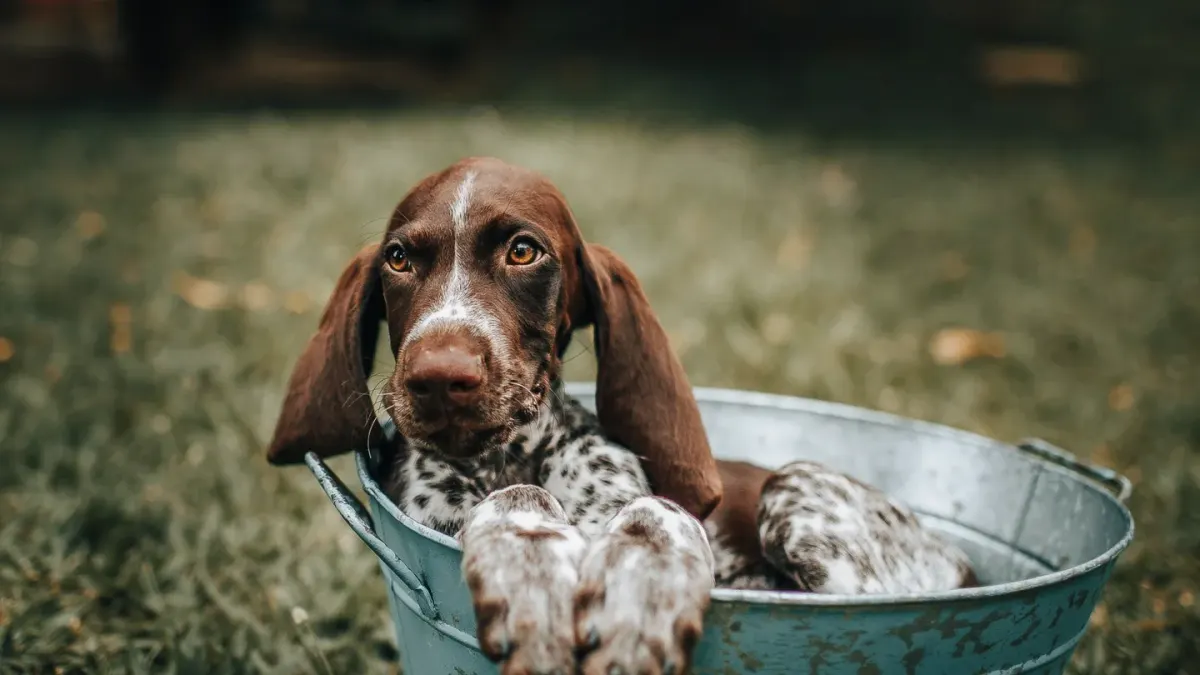
Dogs with long ears and curly hair pair soft expression with a coat that mats quickly, and ears that stay warm and damp underneath the flap.
From a neurology-plus-whole-patient view, that combination matters because reduced airflow around the ear canal may help support a hospitable setting for irritation, while tight curls around the ears and neck may help support tangles that tug on skin when they tighten. Planning for both from puppyhood makes life easier than playing catch-up later.
Why long ears plus curls changes the care plan
Long, pendulous ears rest against the head and hold warm air near the opening of the ear canal, and long, curly furnishings around the ear leather can trap moisture after baths, rain, or swimming. The Merck Veterinary Manual describes how factors that trap moisture and reduce ventilation can predispose dogs to otitis externa, which is why routine drying and visual checks matter more for this head type than for prick-eared dogs.
Curls add a second layer of work. A dense coat takes plenty of washing, brushing and drying before clipping can even begin, and ear fringes are often the first place to felt into mats because the dog scratches there, sleeps on them, and catches food and water in them. Owners who expect brushing, combing, and periodic trimming around the ears — not just the body — are rarely surprised.
Individual dogs vary widely in temperament, coat texture, and how much oil or wax their ears produce, so use breed tendencies as a starting point and adjust to your own dog with your veterinarian and groomer.
7 long-eared, curly-coated types families ask about
1. Cocker Spaniel
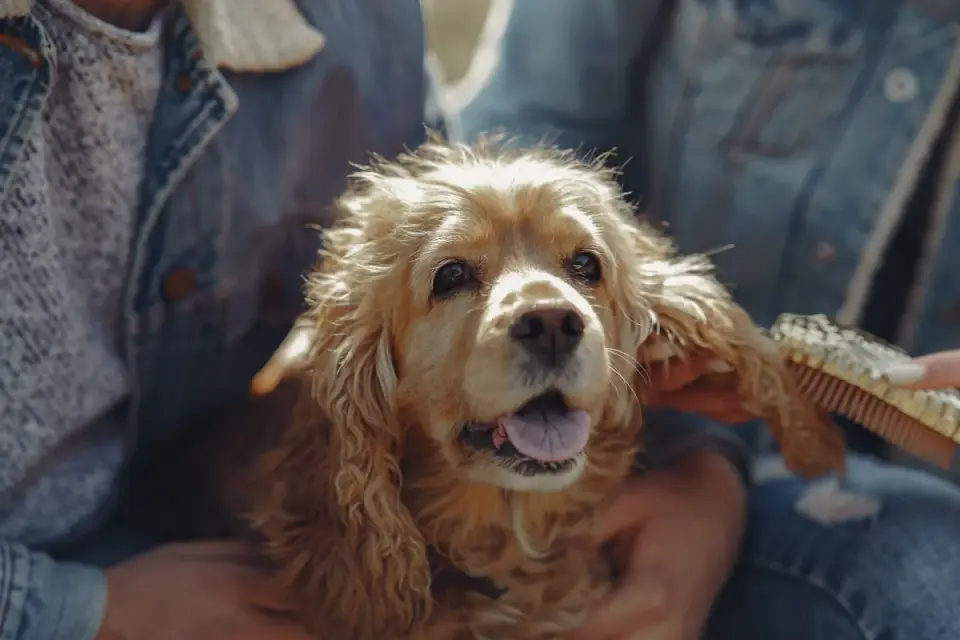
The classic example, with long, well-feathered ears and a silky, wavy-to-curly coat that needs frequent combing to prevent mats behind the ears and under the ear flap. The American Kennel Club notes the breed’s long, lush coat and regular grooming needs, and many pet homes keep ears and feet trimmed shorter for cleanliness while leaving furnishings longer.
2. Cockapoo and Cavapoo
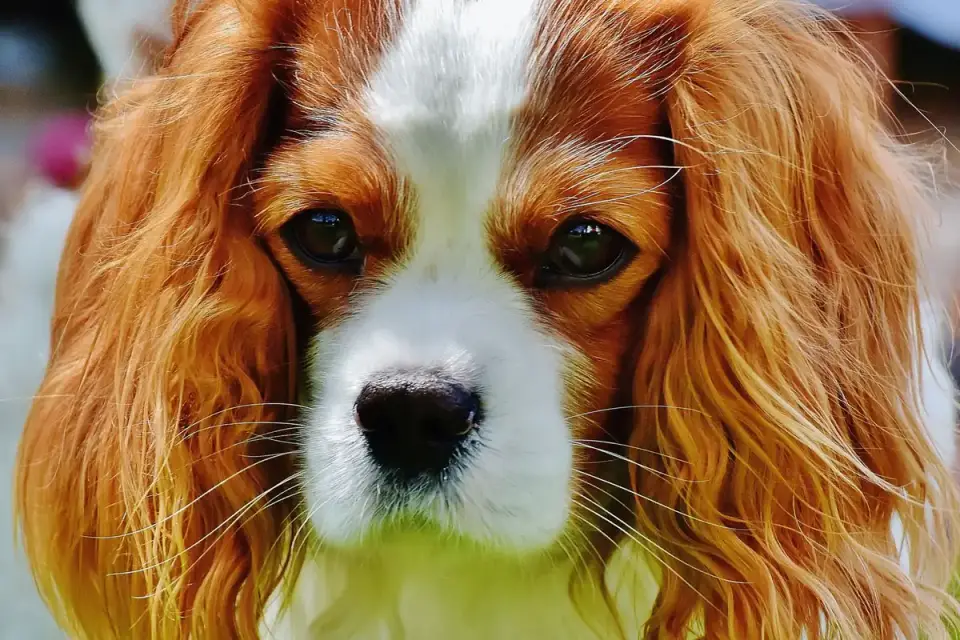
These Cocker Spaniel and Cavalier crosses with Poodle often inherit soft curls plus a longer ear leather, which means Poodle-like coat care with Spaniel-like ears. Coat type varies by litter — some pups are loose waves, others tight curls — so ask the breeder or shelter about the parents’ coats and plan for professional grooming every 6 to 8 weeks with brushing between visits.
3. Lagotto Romagnolo
Bred as an Italian water retriever, the Lagotto has a dense, woolly curl over the whole body including around the ears. The curl is rustic rather than fluffy when kept in a working clip, but it will cord and mat without systematic combing to the skin. Best for active homes that enjoy training and coat maintenance as part of the routine.
4. Irish Water Spaniel
Tall, clownish, and distinctive for crisp ringlets plus long, hair-covered ears. The coat is naturally oily to shed water, so over-bathing can change texture; most owners rinse after swimming, dry ears thoroughly, and schedule trimming to keep ear hair from dragging in food bowls. Learn how bathing frequency affects skin by reviewing what matters on a shampoo label in our piece on Best Dog Shampoo for Sensitive Skin: What Actually Matters on the Label.
5. Barbet and Spanish Water Dog
Both are medium-to-large water dogs with continuous curly coats and drop ears covered in curls. They shed little but mat readily, and many owners keep them in a short, even clip for swimming and hiking. If you like the look but have limited time, talk to a groomer first about real costs and intervals in At-Home Grooming vs a Professional Groomer: How to Split the Job.
6. Poodle in a longer ear trim
Poodles do not naturally have the longest ear leather, but pet Poodles left in longer ear furnishings function much like long-eared, curly dogs for grooming purposes. Keeping ear hair lifted, thinned, and dry underneath helps you see the canal opening during checks.
7. Doodle mixes with Spaniel influence
Labradoodles, Goldendoodles, and similar crosses sometimes have longer ears from the retriever side plus curls from the Poodle side. Expect variation even within one litter, and prioritize temperament, size, and energy fit over a promised coat type, since curl and shedding are not guaranteed.
What weekly ear and curl care looks like
outlines gentle home grooming basics, including regular brushing, checking ears, and working slowly with rewards, which fits these breeds well.
Try this pattern:
- Lift and look, 1 to 2 times per week. Gently lift each ear flap in good light. Note odor, redness, head shaking, scratching, or dark discharge, and call your veterinarian promptly if you see them rather than cleaning repeatedly.
- Dry after water play. After baths, rain, or swims, pat the underside of the ears and around the canal opening with a soft towel and allow air circulation. Many owners find that rinsing long paw fur and shampooing when especially muddy, plus regular baths tied to how dirty the dog gets, keeps the whole dog cleaner without over-washing.
- Comb ears and collar line every few days. Use a slicker brush to loosen, then a steel comb to the skin behind and under the ears where mats hide. Pairing touch with food rewards, working when the dog is tired from play, and keeping sessions short can help dogs that dislike handling.
- Trim for function. Keep hair under the ear flap and around the canal opening neat so you can see and dry the area, and keep ear fringes out of food and water.
Correction for internal tools link: see Essential Dog Grooming Tools for Beginners.
Stop home care and call your veterinarian for head tilt, pain when the ear is touched, swelling of the ear flap, persistent odor or discharge, or scratching that worsens despite gentle care. Do not pluck ear canal hair, probe with cotton swabs, or use cleaners with irritants unless your own veterinarian has shown you how for your individual dog.
Choosing one of these dogs means choosing the maintenance that keeps the charm — regular brushing, thoughtful drying, and watchful, kind ear checks woven into everyday life.
Sources
- Cocker Spaniel Dog Breed Information — American Kennel Club
- Otitis Externa in Animals — Merck Veterinary Manual