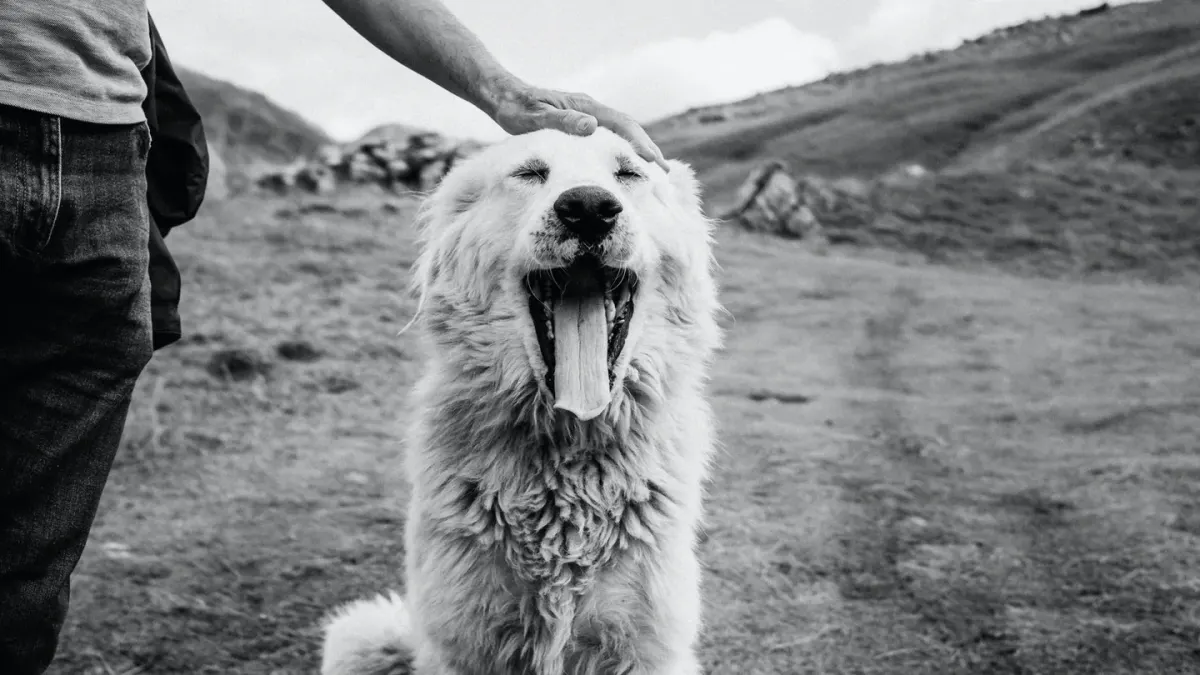
Pamela noticed it while folding laundry in Laredo — Lara, her 5-year-old spayed Bichon Frise, shook her whole head three times in ten minutes, then pawed hard at her right ear. Check that pattern first. A single shake after a bath is normal. Repeated hard shakes, scratching at one ear, and a sweet-musty odor together mean stop and look closer. Lift the flap gently in good light. Compare left to right. Note redness, swelling, discharge color, and smell before you wipe anything away.
What healthy ears do versus ears heading for trouble
Healthy ears stay pale pink, feel cool, and carry only a thin film of light brown wax with little odor. Dogs may scratch an itch now and then, then move on.
Infected ears behave differently. The PubMed Central describes otitis externa — inflammation of the outer ear canal — with head shaking, scratching, odor, redness, swelling, and discharge. That contrast is your decision tool.
Look for these three early tells
Act on these within 24 hours:
- Head shaking on repeat. Two or three hard shakes in an hour, or tilting to one side, supports early irritation.
- Scratching with intent. Pawing the same ear, rubbing the head on the rug, or whining when the ear is touched.
- Odor plus debris. A yeasty, sweet, or sour smell with yellow, brown, or bloody discharge may help maintain alert for infection rather than plain dirt.
A sore ear can turn a friendly dog head-shy fast. Keep handling calm and brief.
What plain wax or water looks like instead
Light wax without redness, swelling, pain, or smell often fits normal buildup, especially after grooming at home. Moisture after swimming can also trigger a single shake session that resolves once the ear dries.
Vets often see small coated breeds trap moisture under hair around the canal opening after baths. In practice, a quick, gentle dry of the outer ear and a check the next morning catches many minor irritations before they build.
How to check ears at home without making things worse
Do this step-by-step check once you spot shaking or odor:
- Wash your hands. Gather treats.
- Smell from a few inches away. Note any strong or sweet odor.
- Look under the flap. Compare color left to right.
- Watch for pain. Yelping, flinching, or pulling away means stop.
- Do not probe with cotton swabs. Do not flush a painful, swollen ear.
Trimming hair away from the opening with blunt-tipped shears can improve airflow for some coated breeds — learn when scissors are enough versus clippers before you cut near the canal.
Skip repeated home cleanings when redness, odor, or pain persist. The PubMed overview notes that ongoing otitis often involves yeast, bacteria, or allergies, which need an exam and microscope check to sort out — cleaners alone may help maintain hygiene but do not resolve established infection.
When do home care stop being the right call?
When to call the vet — and what changes the plan
Call promptly for head tilt that does not resolve, swelling that closes the canal, bloody or pus-like discharge, bad odor after 24 hours, pain, loss of balance, or scratching until the skin bleeds. Puppies, seniors, and dogs with allergies or prior infections need an earlier call.
Bring three details: when the shaking started, which ear, and what changed — bath, swim, new food, new shampoo for sensitive skin, or a grooming visit two days ago. That timeline helps the vet choose cytology, cleaning under supervision, and targeted treatment.
Be honest where the preventive evidence is thin: routine weekly cleaners may help maintain normal ears in some dogs, but no rinse has strong proof to prevent infections in every dog. Individual dogs vary widely, and over-cleaning a sore canal can worsen swelling.
For floppy, hairy, or swim-loving dogs, pair ear checks with a steady coat routine from basic grooming tools for beginners. Clean, dry outer ears plus early vet care supports comfort best.
So what should most owners do next — watch one more day, or book now?
Frequently asked questions
How can I tell dirty ears from an ear infection?
Dirty ears usually show light wax with no smell, redness, swelling, or pain. Infection more often brings repeat head shaking, scratching at one ear, odor, redness, and yellow, brown, or bloody discharge — call your vet when those cluster together.
Should I clean my dog's ears if I suspect infection?
Do a gentle look and smell check, but do not probe with swabs or flush a painful, swollen ear. If odor, redness, swelling, or pain lasts more than 24 hours, book a vet exam for cytology and supervised cleaning.
Can ear infections go away on their own?
Mild irritation after water can settle once the ear dries, but true otitis with odor, discharge, or pain rarely resolves without diagnosis and treatment. Early care helps prevent swelling and chronic changes.
Sources
- Canine otitis externa – Treatment and complications — PubMed Central
- Canine otitis externa – Treatment and complications — PubMed