On this page
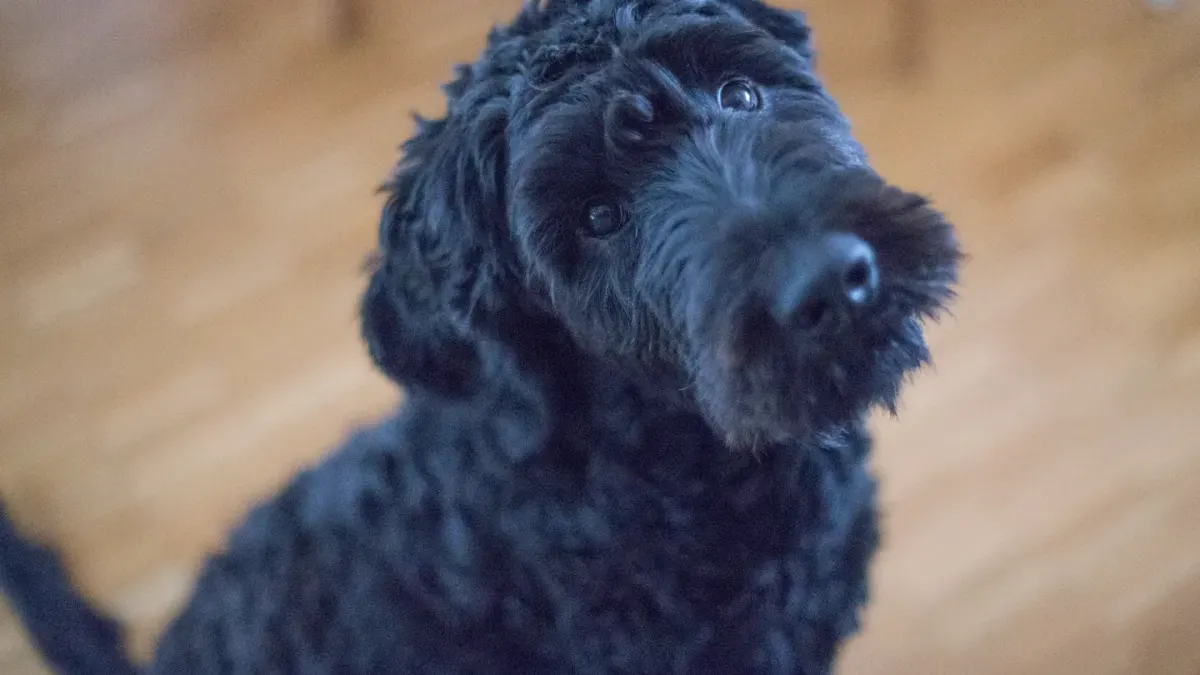
A big black dog with curly hair often turns out to be a Standard Poodle, Portuguese Water Dog, Giant Schnauzer, or a poodle mix, and those possibilities live very different daily lives even when their coats look alike from across the park.
Why black curls make identification harder
Dark, dense curls hide body shape, leg length, muzzle type, and even size, which means two dogs that photograph the same can have different exercise needs, guarding tendencies, and coat textures when you live with them. From a nervous-system view, that matters because arousal and recovery patterns differ by breed background, while the whole-patient pattern — coat oiliness, skin sensitivity, ear shape, and activity level — shapes what grooming and training may help support over time.
Start with structure rather than color. Look at height at the shoulder, weight range, head shape, tail set, and whether the coat forms tight ringlets, soft waves, or a harsh wiry curl, then compare that picture to a breed standard before you assume temperament.
The AKC Portuguese Water Dog describes a medium-large working water dog, also commonly black with a curly or wavy waterproof coat, bred for stamina and close work with fishermen rather than for companion-only life. That working history still shows up in energy, mouthiness, and love of water.
Four large black curly-coated types to compare
Standard Poodle, often 40 to 70 pounds. Athletic and highly trainable, with a strong startle-and-recover nervous system that learns routines quickly when training stays consistent and calm. The non-shedding curly coat mats at the roots if brushing skips the underlayer, so plan on thorough line brushing and professional clipping every four to eight weeks.
Portuguese Water Dog, often 35 to 60 pounds. Social, boisterous, and physically persistent, with a waterproof coat in curly or wavy type that traps sand, debris, and moisture after swimming. Owners who keep the coat shorter in summer and fuller in winter often find seasonal trims easier to maintain, paired with ear drying and inspection after water work.
Giant Schnauzer and Bouvier-type dogs in black. Larger, bolder, and more territorial than the water breeds, with a dense, harsh coat that may look curly when long but feels wiry rather than soft. These dogs generally ask for firmer boundaries, more space, and earlier socialization, and individual dogs vary widely in protectiveness.
Large doodle and poodle mixes in black. The least predictable group, because curl tightness, shedding, size, and temperament blend across parent breeds. One littermate may inherit a poodle-like low-shedding curl while another sheds more freely, so meet the individual dog, ask about parent size and coat care, and budget for the higher-maintenance possibility.
If nail care already feels stressful, black nails add another layer because the quick is harder to see through dark pigment. Our guide on How to Find the Quick on Black Dog Nails walks through small, frequent trims, and many families split brushing at home with clipping by a pro as described in At-Home Grooming vs a Professional Groomer: How to Split the Job.
What weekly curl care really asks from you
notes that regular brushing, bathing when dirty, and routine ear, nail, and foot care form the foundation of dog grooming, with frequency adjusted to coat type and lifestyle.
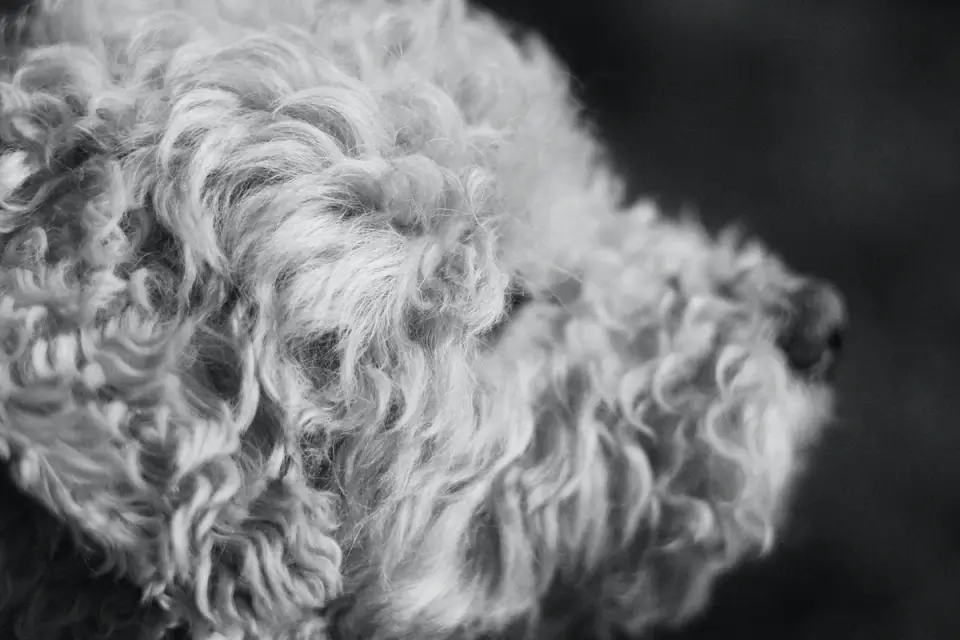
A workable week for most big black curly dogs includes two to three full brush-outs to the skin with a slicker brush and metal comb, a quick check for mats behind ears, under the collar, in armpits, and around the hind legs, plus ear airflow checks and paw rinses after hikes or swims. Owners who save full baths for smelly mishaps and keep brushing, ear checks, and nail care on schedule often keep skin calmer than those who bathe frequently without a maintenance brushing plan, and a gentle formula chosen with Best Dog Shampoo for Sensitive Skin: What Actually Matters on the Label may help support comfort without stripping the coat.
For tools, start simple before you buy more equipment. Essential Dog Grooming Tools for Beginners covers the core brush, comb, nail, and ear supplies that handle most curly-coat upkeep between professional visits.
If your dog favored a paw after accidentally kicking a nail into the grinder, slow the process rather than pushing through, using short handling sessions with treats and the tool sound at a distance before any contact, since calm paw acceptance may help support steadier future trims without promising a fix for fear.
Matching temperament to your home
Ask which nervous-system style fits your household rhythm. A Standard Poodle often thrives with puzzle training, retrieving games, and daily brisk walks that let focused attention cycle into rest, sometimes with Tui-na style bodywork or quiet settling practice folded in to encourage relaxation without overstating what touch alone can change. A Portuguese Water Dog often needs more vigorous swimming, boating, or job-like carrying work to feel settled, along with clear rules about jumping and mouthing when excited.
Larger guarding types generally fit best with experienced handlers, fenced space, and time for structured socialization, while high-energy mixes fit best where someone is home enough to brush, exercise, and train in short daily sessions. Shelters sometimes label any big black curly dog a doodle, so verify age, size, known history, and observed behavior around children, strangers, and other animals, and bring your own veterinarian into health and behavior questions early because individual dogs vary.
Choose the breed whose grooming load, noise level, exercise need, and sociability you can sustain for 10 to 14 years, not the coat that caught your eye on the first meeting, and the black curls become a pleasure to care for rather than a surprise to manage.
Frequently asked questions
Are big black curly-haired dogs hypoallergenic?
No breed is truly hypoallergenic. Poodle-type curly coats tend to trap loose hair and dander in the coat rather than shedding freely, which some allergy-prone households prefer, but saliva, dander, and grooming products still matter and individual reactions vary.
How often does a large curly coat need professional grooming?
Most Standard Poodles, Portuguese Water Dogs, and similar mixes need full brushing several times per week at home and clipping or shaping every four to eight weeks, with shorter summer cuts and ear and paw attention after swimming.
Sources
- Portuguese Water Dog Breed Page — AKC Portuguese Water Dog