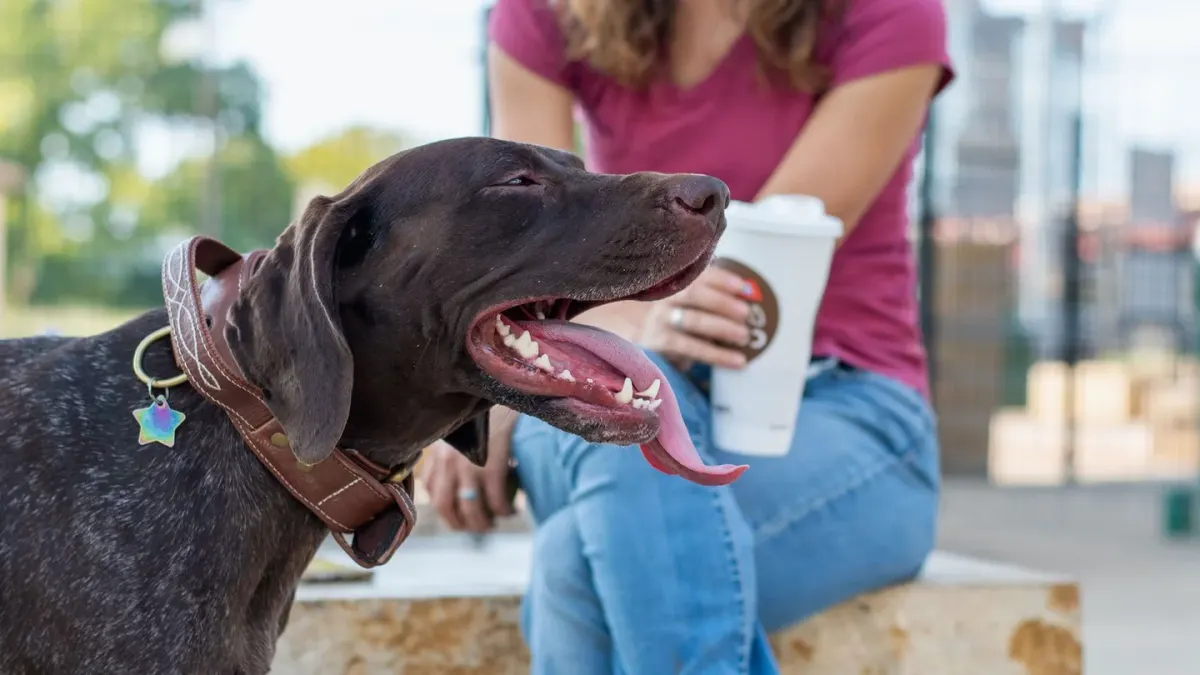
You hear it first on the couch in the evening, that new rumble when your gray-muzzled buddy finally settles. You laugh, then you wonder if you should worry.
I had a family bring in their 13-year-old hound mix after they noticed his nighttime breathing had changed over about three weeks in late fall. He had always been a quiet sleeper, but for 6 nights in a row he snored loud enough to be heard through a closed bedroom door. They were weighing whether to move his bed to the laundry room or bring him in for a check. On exam he was bright and happy, a little heavier through the ribs than last spring, with relaxed throat tissues and some dental tartar. We talked through sleep position, weight, and what snoring does and does not tell us, and we made a simple plan to watch his breathing rate at rest before deciding on next steps.
Why does the sound get louder with age?
Snoring is vibration. Air moves past soft tissue in the nose, mouth, and throat, and loose tissue flutters. Older dogs have more flutter for a few ordinary reasons.
Muscle tone relaxes everywhere with age, including the soft palate and throat. A little extra weight around the neck narrows the airway. Teeth and gums change the shape of the mouth. Sleep itself changes too, with longer stretches of deep sleep where the throat relaxes most. None of that means disease by itself, but it explains why many dogs get louder around 9 to 12 years.
Individual dogs vary widely, and breed shape matters a lot. Short-nosed breeds like Bulldogs, Pugs, and Shih Tzus already have crowded airways, so age-related loosening shows up faster. Long-nosed dogs can snore too, especially if they gain weight or sleep curled up with the chin tucked.
If you want background on crowded airways in flat-faced dogs, Brachycephalic Syndrome outlines how anatomy affects breathing. For senior priorities more broadly, it helps to review How to Assess Your Senior Dog’s Quality of Life alongside any new nighttime noise.
Could it be more than normal aging?
Most age-related snoring is just noise. You watch for pattern changes that suggest the airway is working harder.
From a nervous-system view, I think about the signals that keep the throat open during sleep. The vagus nerve and related nerves help coordinate the larynx, and when that coordination weakens, dogs may sound hoarse, cough after drinking, or breathe louder on walks as well as at night. From a whole-patient view, I look beside that mechanism at weight, teeth, nose discharge, activity, and medications that cause drowsiness. That pairing keeps me from over-focusing on one structure.
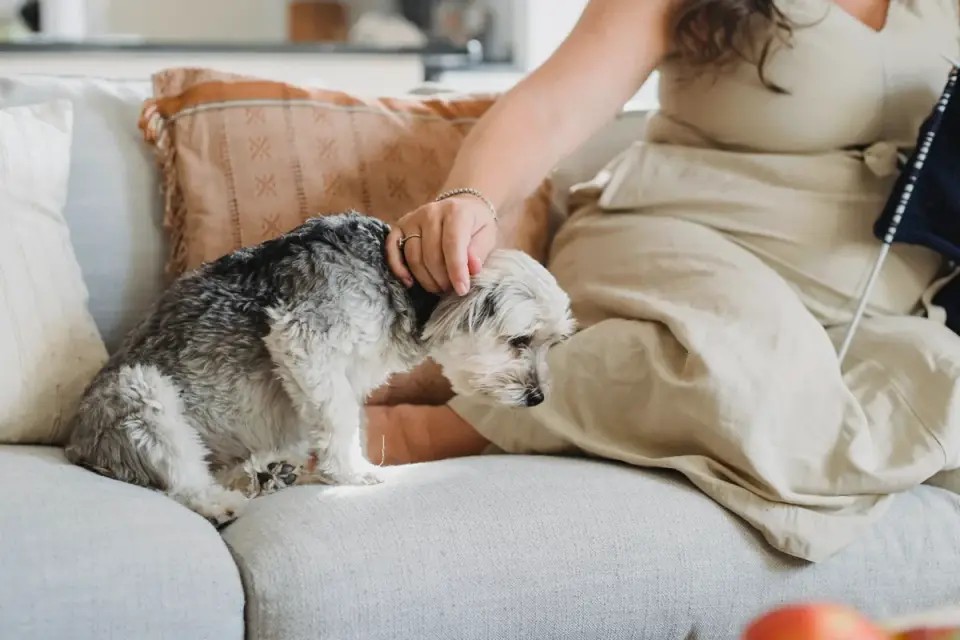
A 78-pound senior retriever type came to mind when I was writing this, because his owner tried exactly what many owners try first. She bought a raised feeder, switched him to a new joint chew from the pet store, and propped his bed on two pillows for 10 days to lift his head. His snoring stayed the same, and his morning energy dipped because he kept sliding off the pillows. The tradeoff was clear in the recheck. The props changed his neck angle without changing airway tone or body condition, and the poor sleep posture may have left him stiffer. We set the pillows aside and went back to weight, walk tolerance, and breathing rate, which gave us better information with less fuss.
Call your vet promptly for noisy breathing with open-mouth breathing at rest, blue or pale gums, fainting, frequent gagging, one-sided nasal discharge or nosebleeds, facial swelling, or a sudden change after chewing a stick or toy. PLOS ONE describes how obstructive airway signs progress, and laryngeal weakness is another age-related cause detailed in Laryngeal Paralysis in Dogs.
What actually helps a loud senior sleeper?
My recommendation is boring on purpose. Keep your dog lean, keep teeth and nose clear, and track resting breathing before you buy anything.
Weigh monthly. Keep walks steady but gentle. Clean bedding to reduce dust. Try a round bed that lets your dog stretch the neck straight rather than curl tight. If your vet agrees, a humidifier in a dry winter bedroom may help support comfortable nasal passages. Acupuncture and Tui-na will not tighten a loose palate, and I would never present them that way, yet light bodywork focused on neck and jaw relaxation may help support ease of rest in a tense senior dog when used alongside veterinary care.
A skeptical friend will ask the fair question here. If this is just aging, why do anything at all. My answer is that we are not treating sound. We are protecting sleep and airflow, and weight control plus monitoring catches the few cases that need more help while letting the rest just snore in peace. For context on keeping an older dog moving comfortably, see Dog Muscle Supplements: What’s Backed by Evidence and What’s Just a Good Label.
The exception I see most often is the dog whose routine has to bend. One lanky farm collie type, about 11 years old and used to sleeping in a cold mudroom, started snoring after his family moved him indoors to a warm carpeted den. His half-mile evening walk had also shortened to the mailbox and back while they unpacked. Instead of pushing longer walks right away, they kept walks short, vacuumed the new carpet daily for a week, moved his bed away from the heat vent, and logged resting breaths for 5 minutes each evening. His snoring softened once his nose cleared and his routine settled, which reminded me that environment can matter as much as age for some dogs.
Keep notes for two weeks. Record sleep position, room temperature, resting breaths per minute, coughing or gagging, and walk tolerance. Bring a short phone video of the snoring to your visit. That record helps your vet sort simple age-related vibration from nasal disease, dental pain, weight-related effort, or nerve-related throat weakness. And if back-end weakness shows up around the same time, Dog Hind Leg Weakness: A Neurologist’s Guide to Figuring Out Why can help you describe what you see.
Loud sleep can be part of growing old. Steady weight, clear air, and careful watching let most older dogs keep snoring safely on the couch beside you.
Frequently asked questions
Is it normal for an older dog to start snoring suddenly?
A gradual increase in soft snoring is common with age, weight gain, and deeper sleep. Sudden loud snoring with nasal discharge, sneezing blood, facial swelling, cough, or breathing effort deserves a prompt vet visit.
Should I wake a snoring senior dog?
Usually no. Let sleeping dogs lie unless breathing looks labored, with flared nostrils, belly effort, or pauses. A short video helps your vet judge the sound later.
Can weight loss reduce snoring?
Often yes. Less tissue around the neck and chest may help support easier airflow. Ask your vet for a target weight and a gradual feeding and walking plan suited to your dog's joints.
Sources
- Brachycephalic Syndrome — American College of Veterinary Surgeons
- Laryngeal Paralysis in Dogs — American College of Veterinary Surgeons
- Impact of Facial Conformation on Canine Health: Brachycephalic Obstructive Airway Syndrome — PLOS ONE