
On this page
Add a break before the accidents start. Take your senior out every 4 to 6 hours during the day, then adjust based on what you see.
A 12-year-old Beagle mix started asking out at 2 a.m. after years of sleeping through. Her owner logged three nights in one week with whining at the door, then a small puddle when no one woke up. Daytime held to about five hours, but evenings slipped to three. On exam her gait was stiff, her water intake was up, and bloodwork showed early kidney changes. We shortened her evening interval, added a 10 p.m. outing, and booked a urinalysis. The schedule stopped the puddles while we sorted the medical piece. That pairing is the rule: change the plan that night, test the cause that week.
Why holding it gets harder with age
Bladder muscle loses tone. Sphincter control weakens. Kidneys concentrate urine less well, so volume rises. Arthritis makes squatting painful, so dogs delay until urgency wins. Cognitive decline breaks the signal chain between urge and door. The American Veterinary Medical Association notes senior dogs face overlapping shifts in kidney function, mobility, and cognition, which explains why frequency rises even when training holds.
Watch intake and output for 48 hours. Measure water bowls. Note time, volume, and posture for each outing. Bring that log to your vet. It separates a schedule problem from disease fast.
What a working senior schedule looks like
Set short intervals first. Concrete steps:
- Offer outings every 4 hours while awake.
- Add one outing right after meals, play, and naps.
- Add a late outing within 30 minutes of bedtime.
- Keep one overnight option for the first two weeks.
- Keep routes short, flat, and well lit.
Reward prompt elimination outside. Keep indoor cleanup neutral. If your dog can still hold 6 hours comfortably, stretch back out. If not, hold the shorter interval and call your clinic.
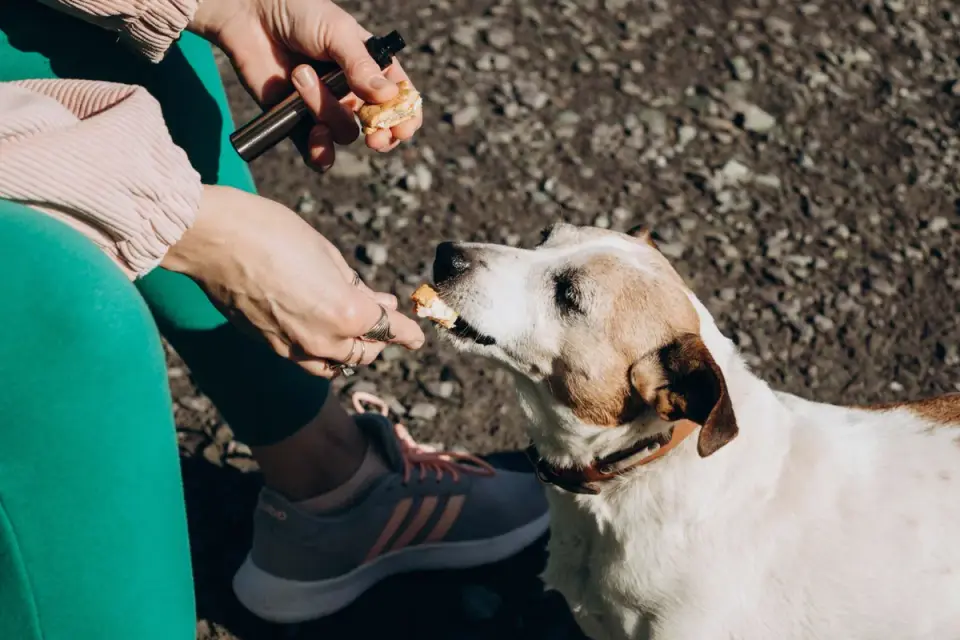
The second household tried pads instead of trips. For four straight nights an 11-year-old herding mix chose the hallway over the pad placed by the back door. The owners added more pads, then scolded after the fact. Accidents increased. The miss was access: stiff hips made the back steps painful after dark, and the pad texture confused a dog trained only on grass. We moved one outing to the front yard with no steps, kept a porch light on, and laid a nonslip runner. Nighttime accidents dropped to zero in five days. Confinement and correction had added stress without fixing movement.
When frequency signals disease
Frequency plus new thirst, large volumes, straining, odor, blood, licking, or lethargy needs a workup. Common drivers include urinary tract infection, kidney disease, diabetes, Cushing disease, bladder stones, prostate enlargement, and in spayed females, hormone-responsive incontinence. Sudden incontinence with back pain, dragging feet, or loss of tail tone needs same-day care and maps to the emergency-versus-decline framework in Dog’s Back Legs Giving Out: Sorting an Emergency From a Slow Decline.
Ask for urinalysis with culture when indicated, blood chemistry, blood pressure, and a mobility check. Do not start cranberry, estrogen, or phenylpropanolamine on your own. Those target different mechanisms and need dosing and screening through your vet.
A 68-pound senior retriever type showed the bend in the rule. He could hike a half mile in the morning and hold urine all day, yet leaked small amounts while sleeping. More daytime walks did not fix it. This pattern fit sleep-related sphincter leakage rather than urgency. His owner added waterproof bedding, kept evening water available as directed by the vet, lifted him with a rear harness to avoid daytime retention from hip pain, and sought care for incontinence options instead of cutting water. Daytime interval stayed long. Nighttime management changed. For broader comfort tradeoffs like this, use How to Assess Your Senior Dog’s Quality of Life to track sleep, mobility, and continence together.
What I prioritize, and when I change course
I prioritize shorter intervals and a medical screen over any supplement or retraining plan. Cite the record in the same breath: American Veterinary Medical Association guidance ties senior elimination change to medical and mobility shifts, not disobedience. That is the evidence-bounded default.
It is the wrong call when straining produces nothing, when urine turns bloody, when the belly distends, or when the dog cannot rise. That is obstruction, severe infection, or decompensation until proven otherwise. Skip schedule tweaks. Seek urgent care.
Expect to manage this long term. Senior bladder habits rarely revert to a 8-hour hold. A stable 4-hour daytime rhythm with a late outing keeps most older dogs clean and rested. Reassess monthly as seasons, joints, and thirst shift.
Frequently asked questions
How often should a senior dog go out to urinate?
Start with every 4 hours while awake, plus after meals and naps and once late at night. Shorten the interval if accidents continue, then ask your vet about urinalysis and bloodwork.
Why is my older house-trained dog suddenly having accidents?
Weakened bladder control, increased urine volume, arthritis pain, or cognitive decline are common causes. Infection, kidney disease, diabetes, stones, and incontinence also present this way and need testing.
Should I limit water to reduce nighttime accidents?
No. Do not restrict water without direct veterinary instruction. Add a late outing, improve access with lights and nonslip surfaces, and have thirst and volume evaluated promptly.
Sources
- Senior Pets — American Veterinary Medical Association