On this page
A 13-year-old yellow Lab shuffles to the kitchen doorway at 6 a.m., two minutes before his bowl usually hits the floor. He’d spent most of the night shifting on his orthopedic bed — up at 1 a.m. to drink, up again at 3 a.m. to be let out, then restless until dawn. His owner thought he was just being stubborn about breakfast time. What she was really seeing was a dog with cloudy lenses, muffled hearing, and stiff hips using timing as a map. When he could predict the next step, his whole body softened. When the schedule slipped by an hour on weekends, he paced and whined by the back door.
That’s the heart of it. Predictability isn’t fussiness in a senior dog. It’s compensation.
When the senses dim, the schedule becomes the map
Young dogs can wing it. They see your hand signal across the yard, hear the treat bag from two rooms away, recover from a missed nap with a zoomie. Older dogs lose that margin.
Vision narrows with nuclear sclerosis and cataracts. Hearing fades, often unevenly. Smell dulls. Proprioception — knowing where the feet are — gets wobbly with arthritis and muscle loss. The world starts arriving late and blurry.
A steady routine fills in the gaps. Same feeding spot, same walk route, same order to the evening — out, brush teeth, bed — lets a dog navigate by memory instead of senses. Veterinary guidance on aging pets from the American Veterinary Medical Association emphasizes that senior dogs benefit from consistent daily habits, closer monitoring, and veterinary checkups tailored to age, because small changes can signal larger shifts.
I run manual-medicine counsel alongside conventional care here. In my hands-on work, dogs with neck and low-back stiffness move more confidently when the day is calm and sequenced. Acupuncture, gentle Tui-na bodywork, and animal chiropractic assessment may help support comfort and mobility, never as fixes, always next to your veterinarian’s exam, pain plan, and lab work. Individual dogs vary widely, so what soothes one senior may not suit another.
Why nights get restless and days get clingy
If your older dog sundowns — paces after dinner, stares, gets stuck behind furniture, barks to go out then forgets why — you’re not imagining it.
Canine cognitive dysfunction syndrome, or CDS, affects memory, learning, sleep-wake cycles, and social interaction. The Cornell Riney Canine Health Center describes disorientation, altered sleep, house-soiling, and changes in activity and anxiety as hallmark signs, and notes that a veterinarian should rule out medical look-alikes first.
Routine steadies the two systems CDS hits hardest: sleep and stress.
Dogs, like us, run on circadian rhythm. Light, meals, walks, and bedtime are time cues. When those cues land at the same time daily, nighttime melatonin and daytime activity line up better. When meals jump from 7 a.m. to 10 a.m. and the evening walk disappears, the clock scrambles and nights fragment.
Stress works the same way. Novelty costs an old dog more energy. A new dog park at dusk, with off-leash adolescents and slick mud, demands vision, hearing, balance, and quick decisions. A familiar loop around the block at 4 p.m. demands almost none of that.
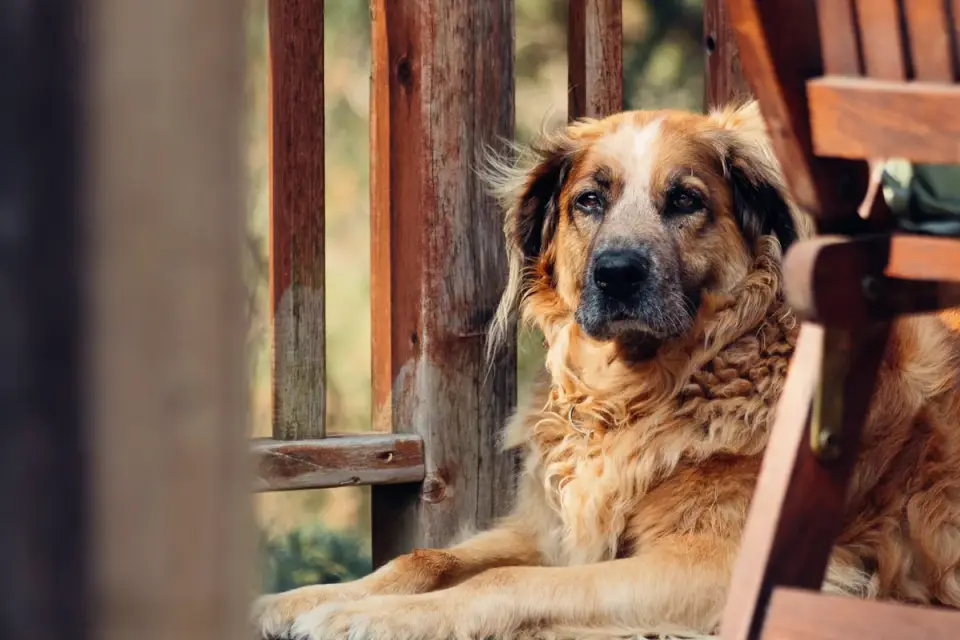
She tried to keep her 11-year-old cattle-dog mix young by changing things up. One week she added a second evening walk at 9 p.m. to tire him out, moved dinner from 5 p.m. to 7 p.m., and invited friends over three nights in a row. Instead of sleeping harder, he slept worse. He stood in the hallway at midnight, panted for 20 minutes after each outing, and skipped breakfast twice that week. Bloodwork and a joint exam later showed the real stack: early kidney changes that increased nighttime thirst, plus bilateral hip arthritis that flared with late, cool walks. Novelty hadn’t enriched him; it had outrun his body. They kept the visitors and the enrichment, but moved them to late morning when he was steadiest.
That tradeoff is common. Owners add stimulation to fight aging, then mistake fatigue for failure.
Building a day an old body can trust
Think chronologically, morning to night, and keep the anchors fixed while you flex the middle.
Morning: light, potty, medicine, breakfast. Get up within the same 30-minute window. Out first, then meds if prescribed, then breakfast in the same spot. For dogs with morning stiffness, a slow 10-minute sniff walk beats a long march. If you use bodywork at home, this is where I pair it with conventional care: warm hands along the shoulders, gentle compressions down the back, then the prescribed joint plan from your vet.
Midday: one good outing, not three errands. Most seniors do best with one predictable walk plus yard breaks, rather than scattered adventures. Keep the route familiar, with traction runners inside and a ramp where stairs have become a negotiation. Count what matters — appetite, water trips, stumbles — so you can report changes early.
Evening: wind down on purpose. Dinner at the same hour, last potty at the same hour, lights low. Nightlights along the hallway help dogs with poor vision. A white-noise machine can soften startling sounds for dogs with uneven hearing loss.
For pain, cognition, or house-soiling changes, see your vet promptly rather than tightening the routine alone. Guidance on sorting urgent hind-end weakness from slow decline in Dog’s Back Legs Giving Out: Sorting an Emergency From a Slow Decline and on tracking comfort over time in How to Assess Your Senior Dog’s Quality of Life can help you decide what needs a same-day call.
Short days are kind days.
Her 9-year-old beagle, 28 pounds and newly anxious in a high-rise, couldn’t hold the textbook schedule. The owner worked nights and the elevator broke down for 12 days that February, forcing four flights of stairs twice a day. So they bent the usual advice. They split dinner into two smaller meals at 5 p.m. and 8 p.m. to prevent bile vomiting, swapped the long morning walk for three 5-minute sniff loops on the landing, and set a fixed potty-bell routine the dog could trigger herself. Nighttime accidents dropped from five that first week to zero the next, and the dog stopped guarding the door. Same principle, different shape: predictability the owner could actually keep.
Consistency you can sustain beats perfection you abandon by Thursday.
What to keep — and what to let go
Keep the anchors: wake time, meals, potty breaks, bedtime. Keep the familiar route and the familiar bowl. Let go of marathon walks, late-night novelty, and rearranging furniture without a scent trail to relearn.
Watch for signs the routine isn’t enough: new night waking, getting stuck in corners, staring through you, sudden clinginess or irritability. Those deserve a veterinary exam for pain, vision loss, urinary issues, or CDS, alongside any supportive manual care you’re already doing. Supplements and bodywork may help support daily comfort for some dogs, but they don’t replace diagnosis.
Older dogs crave a predictable routine because prediction is how they stay safe when their senses and joints no longer guarantee it. Give them a day they can count on, and you’ll often get back a calmer night — for both of you.
Frequently asked questions
Why is my senior dog suddenly anxious at night?
Night restlessness is common with aging vision, pain, increased thirst, and canine cognitive dysfunction, which disrupts sleep-wake cycles. Keep evenings calm and consistent, add nightlights and a set last-potty time, and ask your vet to rule out medical causes.
Should I keep the same walk route for an older dog?
Yes, in general. A familiar, flat, well-lit route lets a senior navigate by memory and saves energy. Add novelty in small daytime doses, like a new sniff spot, rather than changing timing or terrain.
How strict should a senior dog's schedule be?
Aim for anchors within about 30 minutes — wake, meals, walks, bedtime — rather than to-the-minute precision. Consistency you can sustain matters more than perfection.
Sources
- Senior Pets — American Veterinary Medical Association
- Canine Cognitive Dysfunction: What You Need to Know — Cornell Riney Canine Health Center