On this page
The dogs I see for balance and mobility work teach the same lesson every time a new sound reaction shows up late in life: it’s rarely nerve, it’s usually input the ear or eye can no longer deliver reliably.
Owners tend to describe it the same way. A dog who slept through thunderstorms and vacuum cleaners for a decade now startles at a closing cabinet. It’s easy to read that as a personality shift, as if a steady dog suddenly turned skittish. That reading is usually wrong. What’s changed is not temperament. It’s the raw signal reaching the brain, and how much the brain can do with a signal that’s degraded, delayed, or missing pieces.
A startle response in an aging dog is a symptom, not a character flaw. Treat it that way and the next steps get much clearer.
Ages 8 to 10: When High-Frequency Hearing Goes First
Hearing loss in senior dogs is typically driven by presbycusis, the gradual die-off of hair cells and nerve tissue inside the inner ear. Per the AKC, age-related hearing decline commonly begins somewhere between 8 and 10 years old, though the timeline shifts with breed and size. High frequencies go first, so your dog may still respond to a low doorbell tone while missing a higher-pitched alert or a distant voice.
That partial loss is the trap. A dog who can’t hear a sound approaching but can still feel its vibration or catch it late and at close range doesn’t get a gradual warning. He gets a sudden, close, unexplained event. Per the Merck Veterinary Manual, this kind of age-related hearing loss from inner-ear nerve degeneration is generally permanent, which is different from hearing loss caused by wax, infection, or certain medications, some of which can be addressed. That distinction is exactly why an exam should come before a training plan.
Start here if you suspect hearing loss. Watch how your dog responds to sounds from behind versus sounds he can see coming. A dog who startles mainly at surprises but stays calm when he can watch the source is usually telling you the deficit is auditory, not general anxiety.

Ages 10 to 13: Vision Loss Removes the Backup System
Hearing decline alone is manageable because dogs lean on vision to predict what’s coming. Lose some of that backup and the same sound that used to register as background noise now arrives with no visual context at all. Per VCA Animal Hospitals, senior dogs eight years and older who develop a new fear of noises should be examined to screen for an underlying medical condition, because sensory decline in more than one system tends to compound rather than simply add up.
Watch for the usual early vision signs alongside the noise reactivity: hesitation on stairs, bumping into furniture that hasn’t moved, or reluctance to walk into dim rooms. If those show up around the same time as new startling, you’re likely looking at combined hearing and vision loss rather than an isolated issue in either system.
Ages 11 and Up: When Cognitive Change Enters the Picture
Even with ears and eyes tested as sound, some senior dogs still react more sharply to noise than they used to. This is where cognitive dysfunction belongs on the list. A PMC-published study on aging companion dogs found a measurable relationship between hearing status, cognitive function, and overall quality of life, suggesting the two systems interact rather than decline independently. PetMD lists disorientation, altered sleep-wake cycles, and increased anxiety among the recognized signs of canine cognitive dysfunction, and a startled or anxious reaction to ordinary household sounds can fit into that same pattern.
In my own casework, this is where pairing pattern-based assessment with hands-on rehab findings earns its keep. A dog whose noise reactivity clusters with nighttime restlessness, house-soiling, or getting stuck in corners is showing a different pattern than a dog whose reactivity is purely startle-and-recover. The first pattern points toward cognitive involvement worth discussing with your vet; the second points harder toward a straightforward sensory deficit. Reading the whole pattern, not just the flinch, is what actually narrows down the cause.
What a Vet Visit Should Actually Check
Bring a short log rather than a general complaint. Note when the reactions happen, whether your dog can see the source, and what else has changed recently, including gait, appetite, or sleep.
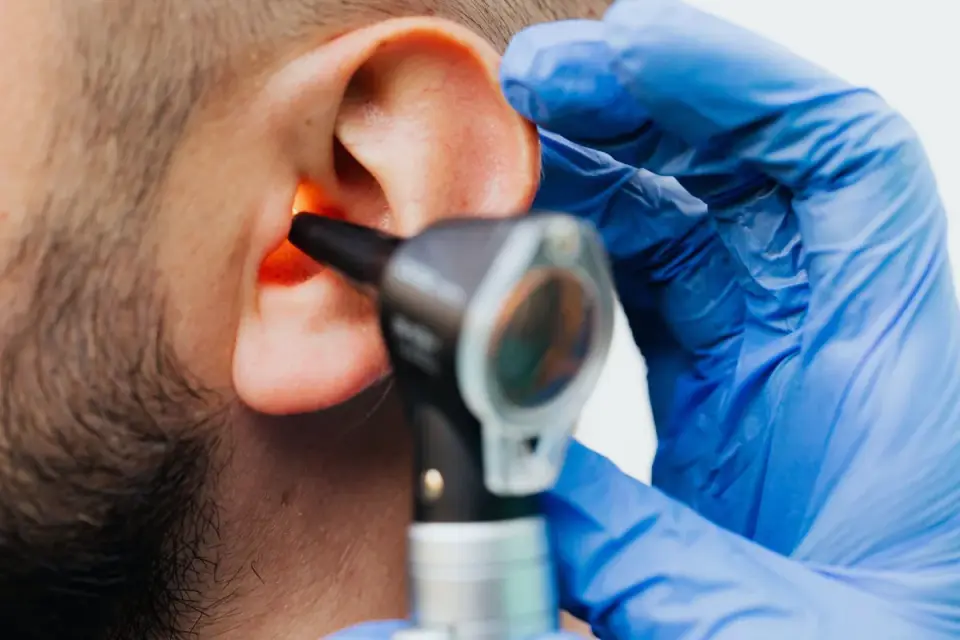
Ask your vet to check ears for wax, infection, or growths before assuming the loss is purely age-related, since some causes are treatable. Ask about a basic vision assessment, including how your dog tracks a moving hand or navigates a dim room. If cognitive signs are present alongside the startle response, ask specifically about screening for cognitive dysfunction rather than letting it get filed under general anxiety.
Making the Home Easier to Navigate
Once you understand which sense is fading, small environmental changes go a long way. Keep furniture layout consistent so a dog with declining vision can navigate by memory. Approach from the front or side, never straight from behind, and add a light touch or hand signal your dog can feel even if he can’t hear you coming. Use consistent footstep patterns or floor vibration cues near stairs and doorways your dog uses often.
None of this fixes the underlying decline. It does lower the number of unexplained, close-range surprises your dog has to process in a day, which is often enough to visibly settle a dog who has been living on edge.
A newly noise-reactive senior dog isn’t asking for more correction. He’s asking for a clearer picture of what changed in his body, and a home that works with that change instead of around it. Expect this to be a gradual management project rather than a one-time fix, and revisit the plan with your vet as hearing, vision, or cognition shift further with age.
Frequently asked questions
Is a sudden fear of noises in an old dog always a medical issue?
Not always, but it's common enough that it should be checked first. Anxiety in senior dogs, per the Veterinary Medical Foundation, is frequently tied to underlying sensory or cognitive change rather than a standalone behavioral shift, so ruling out a physical cause is the responsible first step before assuming it's purely behavioral.
Can hearing loss in dogs be reversed?
Age-related hearing loss from nerve and hair-cell degeneration in the inner ear is generally permanent. Hearing loss from wax buildup, infection, or certain medications can sometimes improve with treatment, which is part of why a veterinary exam matters before assuming the change is untreatable.
How do I comfort a senior dog who startles easily?
Keep routines and furniture layout predictable, approach from where your dog can see or feel you coming, and avoid sudden touch from behind. Pair a hand signal or light touch with sounds you make yourself, like footsteps, so your dog has a consistent cue even if hearing is declining.
At what age should I expect hearing or vision changes in my dog?
Most dogs begin showing age-related hearing changes around 8 to 10 years old, with variation by breed and size. Vision changes often follow in the early-to-mid teens, though either can appear earlier in some individuals.
Sources
- Age-Related Vision and Hearing Loss in Dogs: What to Know — AKC
- Deafness in Animals — Merck Veterinary Manual
- Fear of Noises in Dogs — VCA Animal Hospitals
- Relationship between hearing, cognitive function, and quality of life in aging companion dogs — PMC
- What Is Dog Dementia? Signs of Canine Dementia and How To Help Your Dog — PetMD