Expectation first: a ski weekend asks more of your dog than a normal trip, with cold, dry air, and long alone hours in a strange rental. I counsel owners to pack for baseline needs first, then cold, then the cabin routine.
The short checklist I give clients:
- Food for the trip plus one extra day, regular treats, and a familiar water bowl
- Leash, long line, collar with ID, waste bags, and vaccination records
- Insulated coat and snood for short-coated, small, or senior dogs, plus fitted boots and paw balm
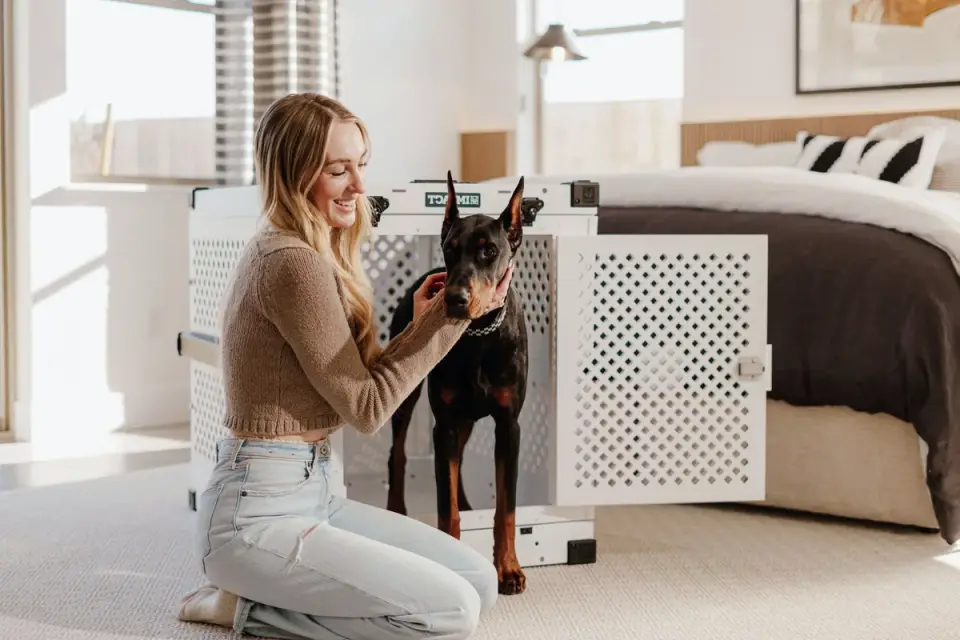
- Crate or travel bed, blanket that smells like home, chew and enrichment toys
- Towels, paw washer, brush, and gentle shampoo for salt and slush
- Medications, basic first-aid kit, emergency vet address saved in your phone
- Plan for midday breaks if you ski all day
If you can carry it in one load from the car, you have packed about right.
Cold changes the baseline
Healthy adult dogs vary widely in cold tolerance. Coat type, body condition, age, and health history matter more than breed reputation alone. The American Veterinary Medical Association notes that frostbite and hypothermia are real risks in winter, especially for small, short-coated, very young, senior, or unwell pets, and shivering, slowing down, or lifting paws are cues to head inside.
That is why I put food, water, and rest ahead of gear. Cold and altitude may increase energy needs and thirst, dry rental heat can chap noses and paws, and interrupted routines can unsettle digestion and behavior. Individual dogs vary, so watch intake, stool, and energy rather than assuming a mountain appetite.
Food, water, and familiar smells
Pack measured meals, not a bulk bag you will scoop by eye. Bring low-stress favorites that support normal digestion and calm settling, and keep meal times close to home schedule. A familiar bowl and blanket may help support relaxed behavior in a new place.
Papers and ID that actually help
Tags, microchip registration, vaccination proof, and a photo on your phone cover most rental and trailhead asks. Save the nearest after-hours clinic address before you lose service on the pass.
She was a 4-year-old, 38-pound cattle dog mix, the kind who never missed a trail run at home, and her owners had booked a second-floor condo ten minutes from the lift for three nights. They planned to ski open to close while she napped, assuming her thick coat and good manners would carry her. By day 2 she was pacing, off her breakfast by half, and whining at the door at 4 p.m. with a full bladder and too much unspent energy. We mapped it out together: a half-day ski plan, a midday dog-walker, frozen food puzzles in the crate, and a white-noise app for hallway noise. Her appetite steadied and the pacing faded, which is why I now tell ski families to pack the schedule first and the sweater second.
Paws, coat, and the walk to the car
Salt, de-icers, packed snow, and ice balls between toes cause more ski-weekend trouble than deep cold itself. The American Kennel Club recommends rinsing paws after walks on treated surfaces and considering boots and balm for extended winter exposure.
My counterargument to myself: many dogs hate boots. I still land on packing them, because the alternative is carrying a limping dog across a parking lot. Condition boots at home for a week with treats. If your dog truly will not keep them on, pack balm, trim interdigital hair if your groomer advises it, and keep walks short on treated sidewalks.
Coats, boots, and drying off
A snug, belly-covering coat may help support comfort for lean, short-coated, small, or older dogs on windy lift-base walks. Tall snow suits help some low-bodied dogs stay drier. Pack two large towels and leave one by the door.
Light, footing, and night air
Headlamp, reflective collar, and a short leash cover icy village loops after dark. Ski villages stay busy late, so practice calm passing before you go.
He was a 6-year-old, 72-pound Labrador, strong and snow-obsessed, and his owner skipped the trial run and brought brand-new boots straight to the resort. By morning two on the condo stairs the dog was high-stepping, chewing at the Velcro, and flinging one boot into a snowbank by day 3. The owner left the boots off for a village walk, and that evening the dog was licking a red, tender paw pad raw from salt. We switched to rinses in warm water after every outing, a thin layer of balm once paws were clean and dry, short potty loops only, and indoor nosework instead of long romps. The licking eased within days, but it cost them two ski mornings. Pack the boots, and break them in at home.
The cabin hours are the real trip
Most ski dogs spend more time alone in the rental than on snow. That makes the crate, containment, and noise plan as important as anything in your ski bag. Review safe car restraint options in Dog Car Seat Belt vs Crate vs Barrier: Which Restraint Is Safest? before the drive, and keep the same crate setup in the rental for continuity.
Feed the same diet, keep water fresh and unfrozen for car and condo, and avoid sharing rich lodge food that can upset digestion. The U.S. Food and Drug Administration advises planning for containment, food and water, waste cleanup, and veterinary records when traveling with pets.
Alone-time setup
Crate or pen, frozen enrichment, chew, and a worn T-shirt can support calmer settling. Test alone time at home first.
Midday care is not optional for most dogs
If you plan full ski days, book a walker, daycare trial, or a non-skiing buddy before you arrive. For help deciding between options, see Boarding Kennel vs Pet Sitter: Which Is Right for Your Dog? and In-Home Sitter vs. Drop-In Visits vs. Doggy Daycare: How to Choose.
She was a 11-year-old, 18-pound terrier mix with early kidney disease and thin sleep, booked for three weeks in at a friend’s ski cabin with wood stairs and a loft. Her owner worried mostly about her coat, but the edge case was altitude thirst plus night restlessness under a new furnace hum. We packed her regular senior diet, extra water bowls for both levels, a nightlight, non-slip socks, joint-support bedding, medications in original bottles, and lab summaries with the home vet number. By day 10 the owner reported she was drinking more at night yet settling better once they added a late potty break and a quiet bedroom crate away from the stove fan. Cold was never the issue.
Pack for the dog in front of you, not the forecast photo.
Frequently asked questions
Does my dog need a coat for a ski weekend?
It depends on the dog and the conditions. Lean, short-coated, small, senior, or unwell dogs often do better with a snug coat for windy walks and evening potty breaks. Watch for shivering or slowing down and head inside.
Should I bring boots even if my dog dislikes them?
Yes, and condition them at home with treats first. If boots will not stay on, keep outings short, rinse paws after treated sidewalks, and use balm on clean, dry paws.
Can I leave my dog alone in the rental while I ski all day?
Most dogs do better with a midday break. Arrange a walker, daycare, or trade-off with a non-skiing companion, and set up a familiar crate, enrichment, and white noise.
Sources
- Cold-Weather Pet Safety — American Veterinary Medical Association