
On this page
Will your dog sleep in the cabin with you, stay in the car, or spend the night in an onboard kennel? That one choice shapes the whole overnight ferry crossing.
I counsel owners to decide it first, because everything else — what you pack, when you feed, how often you can check — follows from where the dog will rest. On most overnight routes dogs are not free to roam passenger decks, and access to car decks is closed or escorted during sailing. Dogs vary widely in how they handle that separation and noise, so match the booking to the dog in front of you.
On a recent evening sailing I talked through options with the owner of a 4-year-old, 48-pound spaniel mix who pants and paces in new buildings. She had assumed they would stroll the deck at midnight and settle in a standard cabin. Once we mapped the actual rules — pet cabin versus kennel block versus vehicle stay, fixed exercise times, leash and muzzle expectations — she switched to a pet-friendly cabin on a lower, quieter deck and added a familiar blanket and chew. By week two after the trip she reported he had settled by the second hour and slept in short stretches, which for him was a win.
Where will your dog actually spend the night?
Ask this before you book. Operators use three main setups.
Pet-friendly cabins allow the dog to stay with you in a designated cabin, usually with wipeable flooring, limits on number and size, and a cleaning fee. Onboard kennels are supervised blocks or individual crates where you visit during set hours. Vehicle stay means the dog remains in your car on the car deck, which you typically cannot visit freely overnight.
Check the operator page line by line. Brittany Ferries lays out pet cabins, kennels, and vehicle rules by ship, and DFDS does the same for its routes with booked exercise and toilet areas. Ship layouts differ, so do not assume a sister ship allows the same setup.
Book the dog space at the same time as your ticket. Pet cabins are few and sell out in summer. Confirm size limits, number of dogs per cabin, bedding rules, and whether dogs may be left alone in the cabin.
What does the evening and morning routine look like?
Keep the timeline tight and low-stress. Feed a light meal three to four hours before boarding to reduce motion nausea, offer water, and give a long toilet walk at the terminal.
Boarding is loud and stop-start. Keep the leash short, collar and ID secure, and move steadily to your cabin, kennel, or car. Set up the rest spot right away with a familiar blanket, a spill-proof water bowl, and one quiet chew.
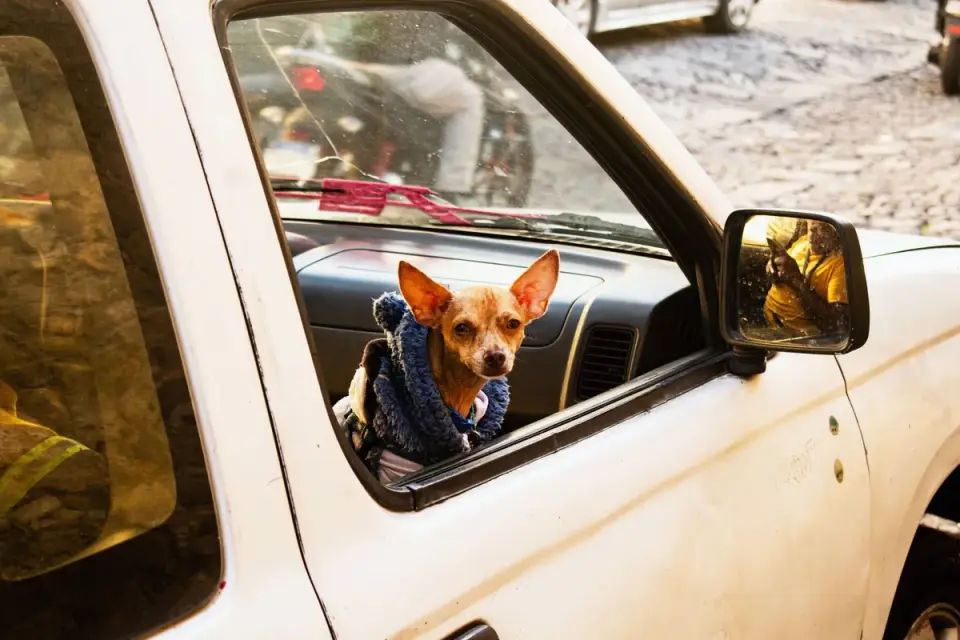
Overnight, expect limited access. Many lines offer scheduled deck exercise sessions or an onboard toilet area with artificial turf, often morning and evening only. Ask for times at check-in and set an alarm.
One owner learned this the hard way with a 2-year-old, 22-pound terrier who holds urine overnight at home. They chose the cheapest vehicle-stay ticket to save money, assuming a crew member would let them down mid-crossing. Access was closed from 11 p.m. to 6 a.m. except for one escorted visit, and the dog, who weighs just 22 pounds but barks loudly when confined, vocalized for much of the night and refused the turf pad in the morning. By day 3 back home his appetite and stool were normal, but the owner said the stress was not worth the savings and now books a pet cabin when available.
How do you handle noise, toilets, and seasickness?
This is the middle-of-the-night reality. Engines hum, doors slam, announcements sound, and the ship moves.
I prioritize baseline comfort over trying to train something new onboard. Bring the crate pad or blanket from home if your setup allows it, keep lighting low, and use a calm, boring bedtime routine. Shorttle the evening walk, toilet, water, lights out.
For toilets, bring your own waste bags plus a small pack of training pads as backup, even if the ship provides a pet toilet. Some dogs will not use turf on a moving deck on the first try. Do not punish refusal. Offer again at the next scheduled session.
Watch for motion sensitivity. Drooling, lip-licking, yawning, restlessness, or vomiting can signal nausea. Withhold a heavy late meal, keep ventilation fresh, and keep the dog facing forward in the car if waiting to board. Talk with your own vet before the trip if your dog has a history of motion sickness or anxiety, especially about whether a preventive plan may help support calm behavior. Individual dogs vary, and sedation is not a do-it-yourself decision.
Paperwork still matters on domestic legs. Keep vaccination records, ID tags, microchip number, and any route-required health certificates in a folder on your phone. For crossings that involve border controls, review the USDA APHIS pet travel requirements well before sailing, since rabies documentation and timing rules can affect boarding.
What should you pack for the cabin or kennel?
Pack as if you cannot shop until morning.
Bring food for two extra meals, water from home if your dog is picky, collapsible bowls, leash plus spare, muzzle if required, blanket, one familiar toy, waste bags, pads, any daily medication, and a printed contact card with your cabin number and phone. If you use an airline-style carrier for terminal waits, the same measuring basics in How to Measure Your Dog for an Airline-Approved Carrier help you judge space in a kennel block.
If your dog stays in the vehicle, add ventilation planning, sunshade, and a no-spill bowl secured low. Never leave a dog in a hot car during loading delays. If your itinerary also involves flying on either end, compare handling expectations in How to Fly With a Dog: The Complete Guide before you stack two stressful travel days together.
The edge case that changes the plan
Senior dogs, brachycephalic breeds, and dogs with separation distress need a different calculation. A 9-year-old, 65-pound Labrador with stiff hips did fine on day ferries but struggled on an overnight where the pet toilet was up two flights of metal stairs and the kennel block required a wait on a loud deck. Three weeks in after the sailing, the owner told me the dog was back to his baseline on joint supplements and short walks, but the stairs plus broken sleep had made that one night hard. For that profile I now favor a ground-level pet cabin near the exit, a non-slip mat, a sling for stairs if your vet approves, and a toilet plan that assumes fewer trips.
For anxious dogs, practice matters more than products. Do two or three short evening crate or bathroom-confinement sessions at home with the same blanket and white noise. Keep departures and returns boring. If you are weighing a sitter instead for a senior or highly anxious dog, the tradeoffs in Should You Board a Senior Dog or Hire a Sitter? and Boarding Kennel vs Pet Sitter: Which Is Right for Your Dog? may help you decide whether to sail together at all.
Where I land on overnight crossings
My recommendation is simple. Book the setup that keeps you closest to your dog for the longest stretch — usually a pet-friendly cabin — and build the night around predictable rest rather than training or sightseeing.
The strongest counterargument is cost and availability. Kennels and vehicle stays are cheaper and often the only option on full sailings, and many calm adult dogs do rest well there. I still land on proximity first because overnight access is so limited. If you cannot check, toilet, or comfort your dog until morning, small problems become long nights.
Expect engine noise, one or two brief exercise windows, and broken sleep. Plan food, toilets, paperwork, and a familiar rest spot, and you will both step off tired but steady.
Frequently asked questions
Can my dog stay in a regular cabin overnight on a ferry?
Usually only in designated pet-friendly cabins, which must be booked in advance and have size and number limits. Otherwise dogs use onboard kennels or stay in the vehicle.
Will I be able to visit my dog during an overnight sailing?
Access is often limited to set visiting or exercise times, and car decks may be closed overnight except for escorted visits. Check times at check-in.
What if my dog will not toilet on the ship?
Offer the designated toilet area at each session, bring bags and pads as backup, and avoid punishment. Ask your vet before travel if your dog has a history of holding urine or motion sickness.
Sources
- Travelling with pets — Brittany Ferries
- Travelling with pets — DFDS
- Pet Travel — USDA APHIS