The first hour tells you almost everything about how the next eight will go. Most dogs cycle through alert barking or pacing, then panting and settling, then true sleep, and my job in the exam room is to help owners read that cycle before they promise themselves a nonstop drive.
I counsel expectation first: a long car journey is low-grade stress plus motion plus boredom, and your dog’s body has to adapt to all three at once. Vestibular motion can trigger drooling, lip-licking, yawning, and vomiting in sensitive dogs, especially adolescents. Stress raises heart rate and panting, dries the mouth, and speeds gut transit. Confinement limits normal sniffing, stretching, and elimination. None of that means driving is harmful, but it does mean comfort on a long trip looks like coping well, not loving every mile.
Picture a 4-year-old 48-pound shepherd mix loaded for a move from Ohio to Colorado, owners hoping to do ten hours straight with one gas stop. By hour two she was standing, whining, and drooling a thin line onto the seat cover, then finally curling for a 90-minute nap at hour three. Three weeks in, her owner told me that single nap had misled them — they thought she had settled for the day, when she really needed a leg-stretch and potty break every two to three hours to repeat that settle cycle. That pattern is normal, and planning around it may help support calmer travel behavior.
How motion and confinement affect your dog’s body
Motion sickness starts in the inner ear, where acceleration and turning conflict with what the eyes see from a crate or footwell. Puppies and young adults are most prone because that vestibular system is still maturing, and anxious dogs often feel worse because stress hormones amplify nausea and gut urgency. You will see the early signs before vomiting: swallowing, drooling, restlessness, and a worried face.
Heat and air quality matter just as much. A car interior warms fast, panting dogs lose water fast, and poor ventilation makes nausea worse. Cracked windows help people more than dogs; steady climate control, shade on the crate, and access to small, frequent water offerings do more. The American Veterinary Medical Association reminds owners to never leave dogs alone in parked cars and to secure them during travel, because heat and sudden stops are the two fastest ways a routine trip turns medical.
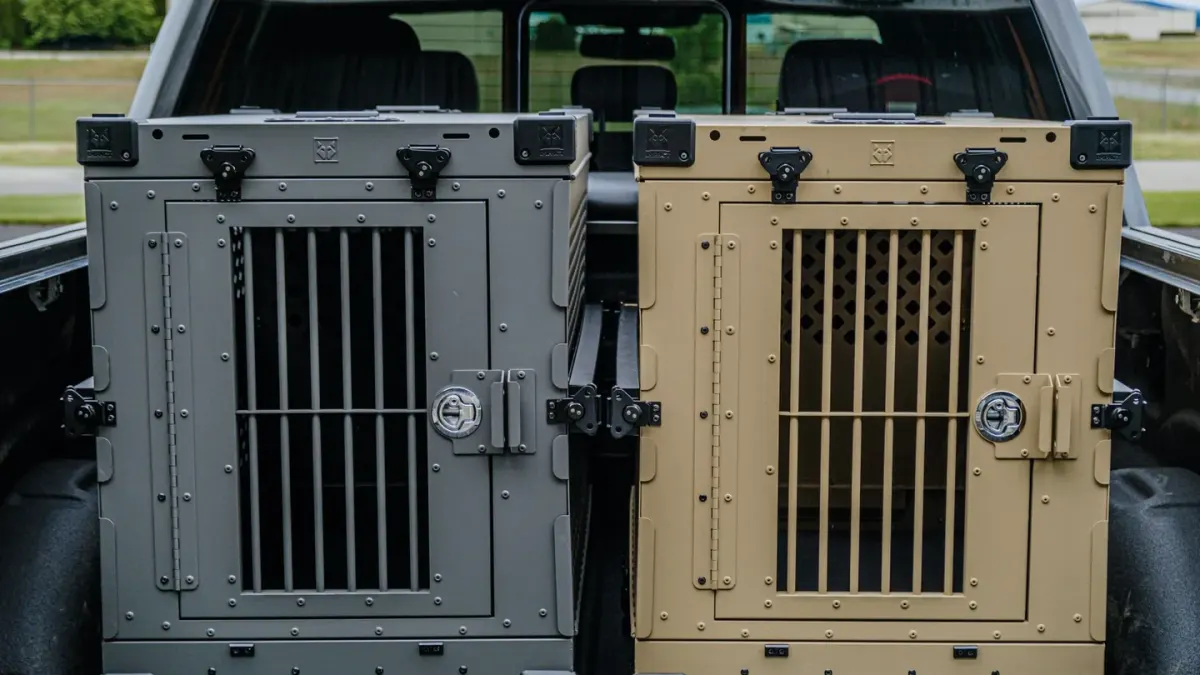
Restraint is part of physiology too. A loose dog braces with every turn and brake, which tires muscles and raises anxiety. A crash-tested crate or harness lets the body relax into the motion instead of fighting it. I explain the options in Dog Car Seat Belt vs Crate vs Barrier: Which Restraint Is Safest?
Restraint testing is still limited, but the Center for Pet Safety has published crate and harness crash-test work that shows why unsecured travel carries real injury risk.
What the long hours really feel like
Expect waves. Hours one to two are noisy and watchful. Hours three to five often bring the best sleep, especially after a good walk and potty break. After hour six, most dogs get stiff, thirsty, and socially needy — pawing, sighing, shifting, asking to be near you. Senior dogs, brachycephalic breeds, and dogs with baseline anxiety or gut sensitivity tend to show that fatigue earlier.
Plan on stopping every two to three hours for ten to fifteen minutes. Offer water, a short sniff walk away from traffic, a potty chance, and a chance to stretch before reloading. Keep meals light and familiar; a big breakfast before a mountain pass is asking for vomiting. Bring your regular food, a spill-proof bowl, poop bags, medications, and a chew or stuffed Kong for the awake stretches.
I once worked with a family who tried to power through with a 9-month-old 22-pound beagle pup, thinking fewer stops meant less excitement and faster sleep. By day 2 of their return drive he was refusing water in the car, trembling at rest areas, and had vomited twice after winding highway sections. When they flipped to short, boring, leash-only stops with no dog-park play and fed half his dinner at a quiet pull-off, his drooling eased by the next morning and he napped in three-hour blocks again. The tradeoff is real: too much stimulation at stops can wire them up, but too few stops lets pressure build.
A short, boring stop beats a skipped stop every time.
Medication questions come up constantly. Some dogs do well with behavioral preparation alone — crate training, short practice drives, calming music, and a familiar blanket. Others with true motion sickness or high anxiety may benefit from veterinary-prescribed support for nausea or stress, dosed and trialed before travel day. I never recommend sedating to silence without a baseline exam, because sedation can affect balance, temperature regulation, and your ability to read distress. Individual dogs vary widely, so talk through history, age, and other medications with your own vet.
Detours, overnight stops, and when to change course
Watch for signs that the plan is not working: persistent panting at rest, repeated vomiting, diarrhea, refusal to drink for several hours, limping after jumping in and out, or escalating panic such as howling, clawing, or trying to climb into your lap at speed. One episode of drool that resolves into sleep is different from distress that builds stop after stop.
Heat, cold, and altitude change the math. Summer traffic jams, high-elevation routes, and humid nights in a tent or car all raise the risk of dehydration and restlessness. If you are combining driving and lodging, confirm pet rules and have a backup clinic address saved; I cover a similar what-if in How to Fly With a Dog: The Complete Guide and the comparison in Boarding Kennel vs Pet Sitter: Which Is Right for Your Dog?
The edge case owners miss is the quiet senior dog. A 11-year-old 34-pound border collie I counseled before a holiday drive looked perfect — she just slept. By day 10 her owner realized she had barely drunk on the road, had held urine for seven hours twice, and came home stiff and constipated for two days. Older dogs often do not protest; they dehydrate and stiffen silently. For them I prioritize padded bedding, a ramp or lift, more frequent water offers, and shorter legs even if they seem fine.
My position is simple, and I hold it even against the understandable urge to just get there: drive to the dog you have, not the schedule you want. The strongest counterargument is that frequent stops lengthen the day and keep arousal high, which is fair for reactive dogs. I still land on scheduled breaks because elimination needs, hydration, and musculoskeletal stiffness are physiologic, not behavioral, and they accumulate whether your dog complains or not.
If distress escalates despite breaks, ventilation, and restraint adjustments, cut the day short, find a quiet overnight, and call your vet before pushing on. Arriving a few hours later is always the better outcome.
Frequently asked questions
How often should I stop on a long drive with my dog?
Plan every 2-3 hours for water, a potty break, and a short leash walk. Senior dogs, puppies, and dogs with medical needs often need more frequent stops.
Why does my dog drool or vomit in the car?
Motion affects the inner ear balance system, and stress can worsen nausea. Lip-licking, swallowing, drooling, and restlessness are early signs. Ask your vet about preventive options before the trip.
Should I feed my dog normally on travel day?
Keep meals light, familiar, and timed away from curvy or stop-and-go sections. Offer small amounts of water often rather than one large bowl at a single stop.
Sources
- Traveling with Your Pet — American Veterinary Medical Association
- Pet Safety Research and Crash Testing — Center for Pet Safety