On this page
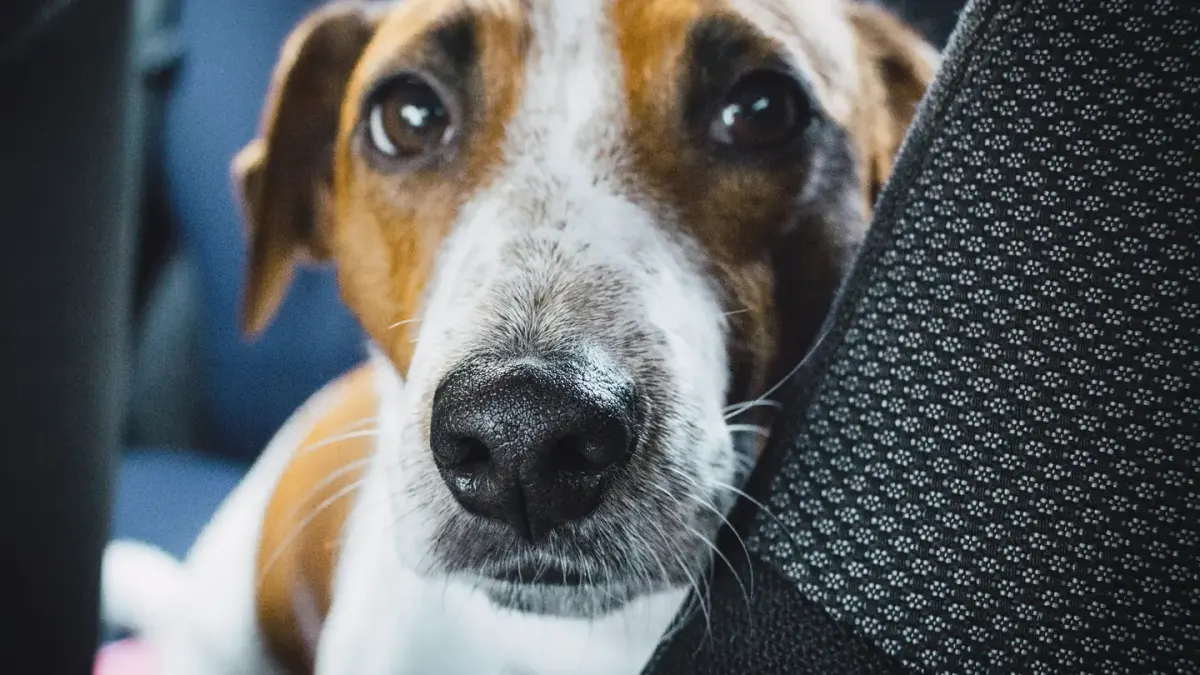
You are half out of the driver’s seat, keys still in your hand, when you notice it in the rearview mirror. Your 5-year-old, 38-pound cattle-dog mix is up and circling the back seat, stepping over the seatbelt, panting with her ears pinned, then staring hard at the door you just opened. You only planned a two-minute pharmacy pickup, windows cracked, parking spot shady, but her restlessness makes those two minutes feel much longer. You wonder whether to coax her out, stay with her, or scrap the errand entirely. That split-second uncertainty is exactly where most owners get stuck, and it is the decision I want to make concrete for you.
Why pacing in a parked car worries me more than barking
Barking can be frustration or excitement. Pacing, especially tight circling, whining, drooling, or climbing toward doors and windows, more often signals rising arousal the dog cannot settle. In a parked car that matters because the space is small, ventilation changes fast, and the dog has no choice to leave.
Pacing is information.
My expectation-first rule in practice is simple: assume discomfort until you have proven comfort. Check heat first because it can injure fastest, then consider anxiety and anticipation. Individual dogs vary widely in temperament and heat tolerance, so breed or size never guarantees safety.
Heat, stress, or anticipation: how to read the moment
Parked cars trap heat even on mild days, and panting plus restlessness are early warning signs owners miss. The American Veterinary Medical Association explains that cracking windows does little to slow interior temperature rise, which is why I do not rely on cracked windows as a plan. Look for heavy panting, thick drool, glazed eyes, bright red gums or tongue, vomiting, or wobbliness alongside pacing. Any of those means heat may be involved, not just nerves.
If the air feels neutral and the dog is still pacing, think context. A dog that paces only at the vet clinic lot or daycare dropoff may be anticipating what happens next. A dog that paces on every stop, yawns repeatedly, licks lips, tucks tail, or refuses treats may be anxious about confinement, noise, or separation. Puppies and adolescents often pace from under-exercise too, though I still rule out heat and fear first before I call it extra energy.
What to do right now in the parking spot
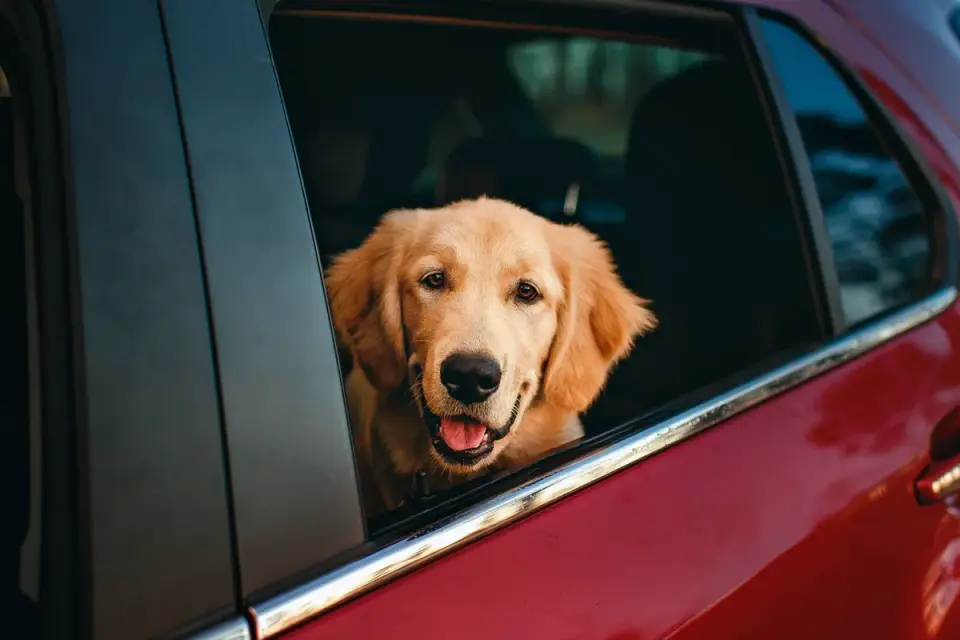
Do the least disruptive safety check first. Get back in or get the dog out — do not leave a pacing dog to “settle down” alone while you run inside. If it is warm, sunny, or the air feels stuffy, move the dog to shade or air-conditioning immediately and offer cool water in small amounts.
I had a client with a 3-year-old, 62-pound Labrador retriever who paced and whined every time she left him for curbside pickup. For three weeks in she tried correcting him with a sharp “down” through the cracked window, then walking away faster so he would not work himself up. By day 10 he was drooling through the whole stop and had chewed the seatbelt sleeve, and by week three he started panting before the car even stopped. The correction suppressed the stillness she wanted without lowering the arousal underneath, and the short departures actually sensitized him because each one ended with her disappearing. We had to rebuild the pattern from the passenger seat before any solo waits were fair to try again.
That tradeoff is common. Scolding or ignoring may pause noise for a minute, but it does not support calmer behavior over realistic timelines. A better in-the-moment sequence is boring and preventive: return calmly, leash before opening the door fully, lead the dog to a shady patch for a sniff break, then decide whether the errand can wait. If you must bring the dog along on errands, a crash-tested restraint setup reviewed in Dog Car Seat Belt vs Crate vs Barrier: Which Restraint Is Safest? may help support steadier travel behavior, though restraint alone will not fix heat or separation distress.
The cooler-day edge case owners miss
Cool weather fools us most. Last fall I counseled through a case involving an 8-year-old, 24-pound French Bulldog who paced only during 15-minute school pickups in 58-degree weather. Two minutes in his panting turned raspy, and by minute six he was standing with elbows out and refusing cheese, which for him was the observable marker that changed everything. Flat-faced breeds, seniors, and dogs with airway, heart, or weight issues can struggle with stress and poor airflow even when the dashboard thermometer looks reassuring. The ASPCA notes similar risk factors for heat-related illness and reminds owners to never leave pets alone in cars, a baseline I use year-round.
This is also where restraint choice matters quietly. A loose dog that paces into the front footwell can wedge under pedals or bolt when a door opens, while a dog tangled in a loose tether can panic more. The Center for Pet Safety studies how restraints perform when a stop becomes sudden, and I use that lens preventively: secure, ventilated, familiar. Practice short, attended car sessions at home with the same setup you use on the road, and keep trips paired with calm outcomes, not only vet visits and long separations.
What I tell owners to plan before the next stop
Here is where I land, even though the strongest counterargument is convenience: leave the dog home whenever the stop involves leaving the car. Fans, sunshades, and cracked windows do not make solo waits safe or low-stress, and most pacing does not improve with repetition alone.
If the dog must ride along, make every stop attended. Travel with a second person, choose drive-through or curbside options, or rotate who stays with the dog with the car running and locked appropriately. Pack water, a bowl, a leash you can secure quickly, and a shade plan. For longer travel days, build in sniff walks and review broader trip logistics in How to Fly With a Dog: The Complete Guide and In-Home Sitter vs. Drop-In Visits vs. Doggy Daycare: How to Choose when leaving the dog home is kinder than bringing them.
Call your veterinarian promptly for collapse, vomiting, extreme panting that does not ease in shade, or pacing that escalates to escape attempts or self-injury. Prevention beats retraining here, and a calmer baseline starts with fewer lonely parking lots.
Sources
- Pets in Vehicles: Heat Danger — American Veterinary Medical Association
- Hot Weather Safety Tips — ASPCA
- Pet Travel Safety — Center for Pet Safety