On this page
When Priya packed for a long weekend with her beagle Milo, the suitcase was the easy part. The hard part was the insulin: two vials that needed to stay cold for three days in a car with an unreliable air conditioner, plus a feeding schedule Milo had followed like clockwork for two years. She called her vet the week before, and that one phone call reshaped the whole trip.
That’s the real story behind most successful travel with a diabetic dog. It isn’t about avoiding trips. It’s about building the trip around three things that keep a diabetic dog stable: insulin storage, meal timing, and the ability to catch a low blood sugar episode early.
Why Travel Disrupts a Diabetic Dog’s Routine
Diabetic dogs are managed on a routine because insulin dosing is calculated against a fairly predictable feeding schedule and activity level. Travel breaks that predictability in small ways — a later dinner, a skipped walk, a few hours of car heat — and small disruptions can shift blood glucose more than owners expect. According to AAHA, consistent home care routines, including proper insulin storage, are a core part of the guidelines veterinary teams use when educating owners of newly diagnosed diabetic pets.
None of this means travel is off the table. It means the plan needs to protect the routine, not abandon it.

Packing List: What to Bring for Insulin and Meals
Before the itinerary, build the medical kit. At minimum, that means:
- Insulin — more than the trip requires, in case of spills, breakage, or delays
- Syringes, at least a few extras beyond the expected count
- A proper insulin cooler or hard-sided cold pack, not a soft lunch bag alone
- A small thermometer if the trip is longer than a day or two, so you can confirm the cooler is actually holding temperature
- Pre-portioned regular meals, matched as closely as possible to home feeding times
- A hypoglycemia kit: corn syrup or glucose gel, and a backup snack your dog already tolerates
- A written note from your vet covering the diagnosis, current insulin type and dose, and emergency contact information
Keep the medical kit in the cabin of the car or on your person during a flight — never in checked luggage, where temperature control isn’t guaranteed. If your dog’s feeding station at home uses a dedicated mat or tray to slow eating or contain spills, our guide to mats and trays for a messy eater’s feeding station has options that pack down small enough for a suitcase and can help keep mealtimes as close to normal as possible.
Keeping Insulin at the Right Temperature
Most veterinary insulins need to stay refrigerated, generally in the range of about 36°F to 46°F, and they lose potency outside that window faster than owners assume. Heat is the bigger enemy on most trips — a car interior or a beach bag can climb well past safe range in minutes, even with the windows cracked.
A hard-sided insulin travel cooler with a reusable cold pack, refreshed at hotel ice machines or gas station coolers along the way, is worth the extra bag. If a cold pack starts to feel warm to the touch, treat that as a signal to find a refrigerator, not something to push through until the next stop.
Keeping Meals and Injections on Schedule
Insulin dosing in dogs is usually timed around meals, so a shifted feeding schedule can mean a shifted (and potentially mistimed) injection. On travel days, build in buffer time for meals rather than treating the drive or flight as more important than the feeding clock. If a delay is unavoidable, call your vet rather than guessing whether to adjust the dose yourself.
A short pause between meal and injection, on the other hand, usually isn’t worth panicking over. It’s the multi-hour gaps that matter most.
Recognizing and Handling Low Blood Sugar on the Road
Hypoglycemia is the emergency owners should be most prepared for while traveling, since a missed meal, unexpected exercise, or heat stress can all push blood sugar down faster than at home. AKC lists wobbliness, disorientation, twitching, weakness, and collapse as signs of low blood sugar in dogs, and any of these warrants immediate action, not a wait-and-see approach.
If you see those signs, rub a small amount of corn syrup or glucose gel on your dog’s gums right away, even if the dog seems out of it, and try to get a regular meal into them once they can eat. Merck Animal Health notes that severe or unresolved cases need veterinary attention, since injectable glucagon and IV support may be required beyond home first aid. This is exactly why locating an emergency vet clinic near your destination before you leave home is worth the ten minutes it takes.
Choosing a Travel Plan: Car vs. Air
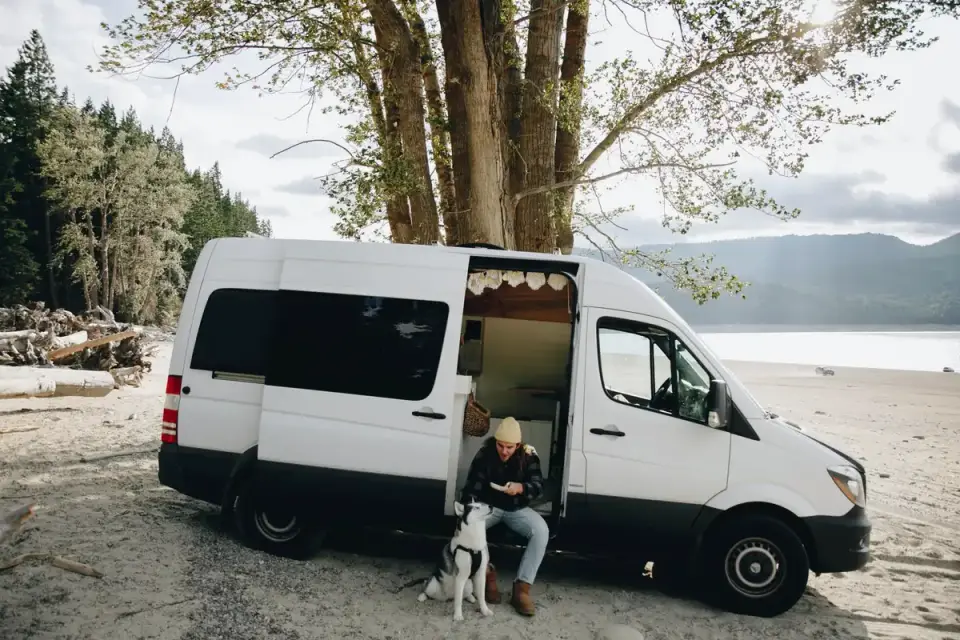
Car travel gives you the most control over insulin cooling, meal timing, and emergency stops, which is why many vets recommend it as the lower-stress option for a newly diagnosed or unstable diabetic dog. Flying adds a layer of complexity: cargo holds are not appropriate for insulin or a diabetic dog generally, and security screening takes extra time when you’re carrying syringes and medication. If flying is the only option, our guide to how to fly with a dog covers the paperwork and carrier logistics that apply on top of the diabetes-specific packing above.
Whatever the mode of transport, build slack into the schedule. A diabetic dog’s routine tolerates small shifts far better than a rushed connection or a skipped meal to make up lost time.
A Pre-Trip Checklist
- Call your vet to confirm insulin type, current dose, and any travel-specific adjustments
- Pack more insulin and syringes than the trip requires
- Test your cooler setup for a full day before departure to confirm it holds temperature
- Pre-portion meals to match your dog’s normal feeding times as closely as possible
- Pack a hypoglycemia kit within reach at all times, not in checked luggage or the trunk
- Locate an emergency veterinary clinic near your destination
- Carry a written note from your vet describing the diagnosis and medications
Milo’s trip, in the end, went smoothly — Priya’s cooler held temperature, the feeding schedule slipped by only twenty minutes each day, and the hypoglycemia kit stayed zipped shut the whole weekend. That’s really the goal: not a perfect routine, but a resilient one, built so that ordinary travel hiccups don’t turn into a medical emergency.
Frequently asked questions
Can insulin go through airport security?
Yes. Insulin, syringes, and a cool pack for a diabetic dog are generally permitted in carry-on bags, but airline and security rules vary, so call ahead and carry a note from your veterinarian describing the medication and dosing supplies.
How long can dog insulin stay unrefrigerated while traveling?
It depends on the specific product, and some formulations tolerate only a few hours at room temperature before losing potency. Ask your vet for the labeled tolerance of your dog's exact insulin and plan cooler stops around it rather than guessing.
What should I do if my dog's glucose drops during a trip?
Rub a small amount of corn syrup or glucose gel on the gums right away, offer a regular meal if the dog can eat, and get to the nearest veterinary clinic if signs like wobbliness, disorientation, or twitching don't resolve quickly.
Should I skip a dose of insulin if my dog won't eat during travel?
Never adjust or skip an insulin dose on your own judgment alone. Call your veterinarian for guidance specific to your dog, since giving a full dose to a dog that hasn't eaten can trigger dangerous hypoglycemia.