
On this page
The living room is gated, the crate is set up by the sofa, and an eight-week-old Staffordshire Bull Terrier pup is asleep on a teenager’s feet after ten minutes of wild zoomies. By day 10, the family notices the pattern that will define the year: intense bursts of play, then total contact napping, plus mouthing every sleeve that moves. They had debated between a calmer toy breed and this sturdy, people-oriented terrier. Watching that 11-pound pup choose a lap over a toy makes the decision concrete — this first year will demand hands-on time, not just space.
My expectation-first counsel is this: plan for a social, muscular companion who may thrive with early handling, predictable routine, and short, positive training reps. If you can give that daily, the year goes well. If you cannot, this is not the year to get one. Individual dogs vary widely, and that variation matters more than any breed reputation.
What should you expect in the first eight weeks home?
The early weeks are about baseline health, sleep, and low-stress handling. Your pup needs a vet check within the first few days, a vaccine and parasite plan from your own vet, and a quiet place to sleep 18 or more hours in fragments. Keep outings clean and controlled until vaccines are on track.
How do I set up the house?
Think zones, not whole-house freedom. A crate by the bed for night, a pen for daytime naps, chew options in each spot, and gates for stairs. A routine for meals, potty breaks, play, and rest may help support steadier behavior than any single product.
What does socialization look like this early?
Brief, calm exposures beat crowded events. Sit outside a quiet store, invite one calm visitor at a time, handle paws, ears, and collar for treats, ride in the car for five minutes. As described by the Merck Veterinary Manual, early positive exposure shapes later social behavior, though each puppy responds on its own timeline.
That expectation changes everything.
Why does the middle stretch feel harder than the start?
Three weeks in, one household I advise tried to tire out their five-month-old pup with nightly marathon fetch in the park. At 27 pounds he could run hard, yet by day three of that plan the nipping got worse, not better. He paced at bedtime, grabbed pant legs on walks, and barked at the leash when asked to stop. The tradeoff was clear: extra cardio without rest and thinking work left him fitter and more wound up. When they swapped one long session for two short walks plus sniff games and a frozen chew before bed, evenings settled within a week.
Adolescence brings that same lesson on repeat. Between five and ten months many Staffies test boundaries, pull harder, and forget cues they knew. Keep sessions under five minutes, reward the choice you want, and protect sleep. For context on how much sleep and structure other breeds need at this age, compare notes with What to Expect in a Labrador Puppy’s First Year.
How do I handle mouthing and jumping?
Interrupt calmly, offer a legal chew, then reward four paws on the floor. Practice with the family first, because consistency across people teaches faster than corrections from one person. Behind the counterargument that you should just wait it out, early reps still win: polite greeting practiced now may help support calmer adult manners.
What about training around other dogs?
This breed is often intensely people-focused and physically playful, which peers can misread. Choose small, managed play dates over free-for-all parks. Watch for loose bodies and turn-taking, and call away for treats before arousal spikes. A strong counterargument says more dog-park time socializes them better, yet I still land on curated exposure because it builds recall and keeps arousal in a range puppies can learn from.
When does the adult dog start to emerge?
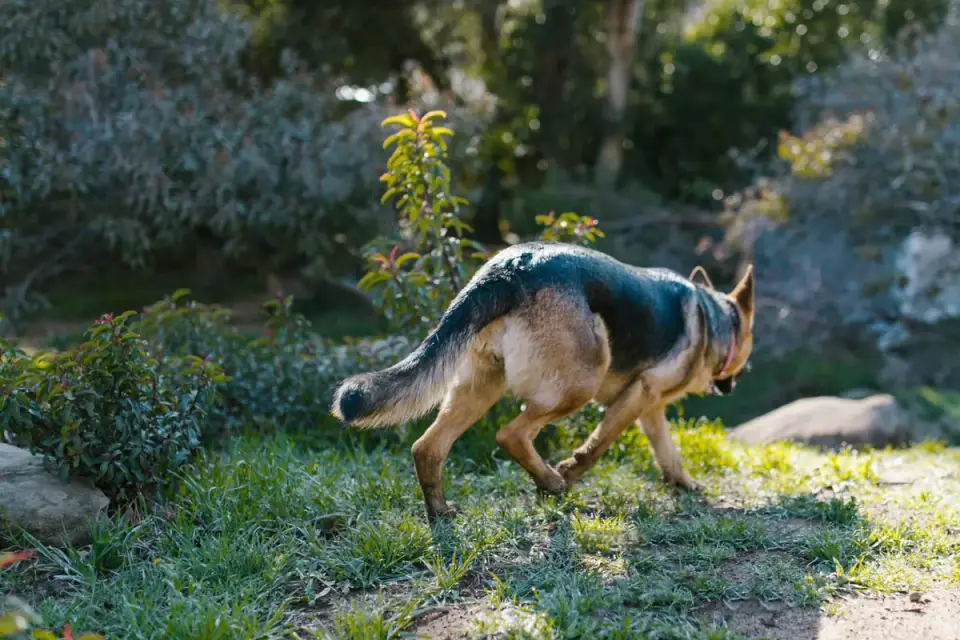
By month nine to twelve the outline is there: a compact, athletic body, a short coat that sheds lightly, and a dog who follows people from room to room. Breed type helps explain the shape you see. The American Kennel Club describes a muscular, agile terrier built for active companionship, while The Kennel Club sets the traditional standard for balance and movement. Neither standard predicts your dog’s personality, and littermates can differ a lot.
Exercise needs are moderate and daily rather than extreme. Most households do well with walks plus play and training mixed in, adjusted to weather and your vet’s guidance on growth. Owners weighing smaller spaces often ask about fit, and the questions in Best Dog Breeds for Apartment Living are a useful check for noise, routine, and landlord rules.
What does feeding and preventive care look like?
Feed a complete puppy diet for growth to the label and your vet’s body-condition checks, measure meals, and transition to adult food only on veterinary advice. Keep weight lean enough that you can feel ribs easily. Monthly preventive care, dental introductions with a soft brush, and nail trims every one to two weeks may help support comfort and handling for the long term.
How much grooming and shedding is real?
Little and often. A weekly rubber brush, a wipe after muddy walks, and baths only as needed keep the coat in good shape. Shedding is year-round but light compared with double-coated breeds, and skin folds stay simple because there are almost none to manage.
What changes the plan in the final months?
By month 11, a couple with a senior 9-year-old beagle learned their now 33-pound young Staffy played too hard for their older dog. The edge case was not aggression; it was mismatch in play style. The younger dog body-slammed during greetings while the beagle walked away and licked his lips. Splitting resources — separate rest spots, parallel walks instead of wrestling, and one-on-one training time — changed the house. Within two weeks the older dog reclaimed the couch and the younger one learned that calm proximity earned treats and access.
That late-year picture is the verdict I give in the room. If you want a Velcro companion and will invest in socialization, leash skills, and rest, the first year with this breed pays you back in loyalty and humor. If your days require long absences with little backup, choose differently for now. Bring your questions, your schedule, and your honest energy level to your vet visit, and let that conversation shape the final call.
Sources
- Staffordshire Bull Terrier Dog Breed Information — American Kennel Club
- Staffordshire Bull Terrier Breed Standard — The Kennel Club
- Social Behavior of Dogs — Merck Veterinary Manual