On this page
Theresa expected low upkeep when she adopted Sandie, a 7-year-old spayed Boxer mix in Baltimore, Maryland. Then the white hairs started weaving into every blanket, Sandie developed flaky skin along her back in winter, and a long hike left her pale belly pink. A rubber curry three times a week plus a bath routine solved most of it in about four weeks.
That pattern is common. In practice, vets often see short-coated dogs for itching, shedding complaints, and broken nails — not mats. Short hair changes what grooming means. It rarely means no grooming.
Use this quick checklist first, then read on for how to apply it to your dog:
- Brush 2–3 times weekly with a rubber curry or soft bristle brush to lift shed hair and distribute skin oils.
- Bathe every 4–8 weeks with a gentle dog shampoo, plus a rinse after swimming or muddy hikes.
- Protect exposed skin: shade, pet-safe sunscreen guidance from your vet, and a coat or sweater for thin-coated dogs in cold.
- Trim nails every 3–4 weeks and wipe skin folds, ears, and paws during brush sessions.
- Call your vet for bald patches, odor that returns in days, sores, or itching that interrupts sleep or play.
What short coats actually do through the year
Short, dense coats — think Labrador Retriever, Boxer, Beagle, French Bulldog, Dalmatian, Pug, and American Staffordshire Terrier — shed on a cycle. Many drop hair year-round with heavier sheds in spring and fall as daylight and temperature shift.
Dead hair gets trapped against the skin without brushing. That trapped hair holds dander and odor, dulls shine, and makes seasonal shedding feel sudden. Routine brushing supports a healthy-looking coat and may help maintain normal skin turnover between baths, though the evidence for any single brush type preventing skin disease is thin.
The ASPCA notes that even smooth-coated breeds benefit from regular brushing to remove loose hair and debris. That matches day-to-day practice: two short sessions beat one long monthly marathon most dogs tolerate poorly.
Brushing that supports skin without scratching it
Skip stiff slickers meant for long coats. For short hair, prevention is simple and Fear Free-friendly.
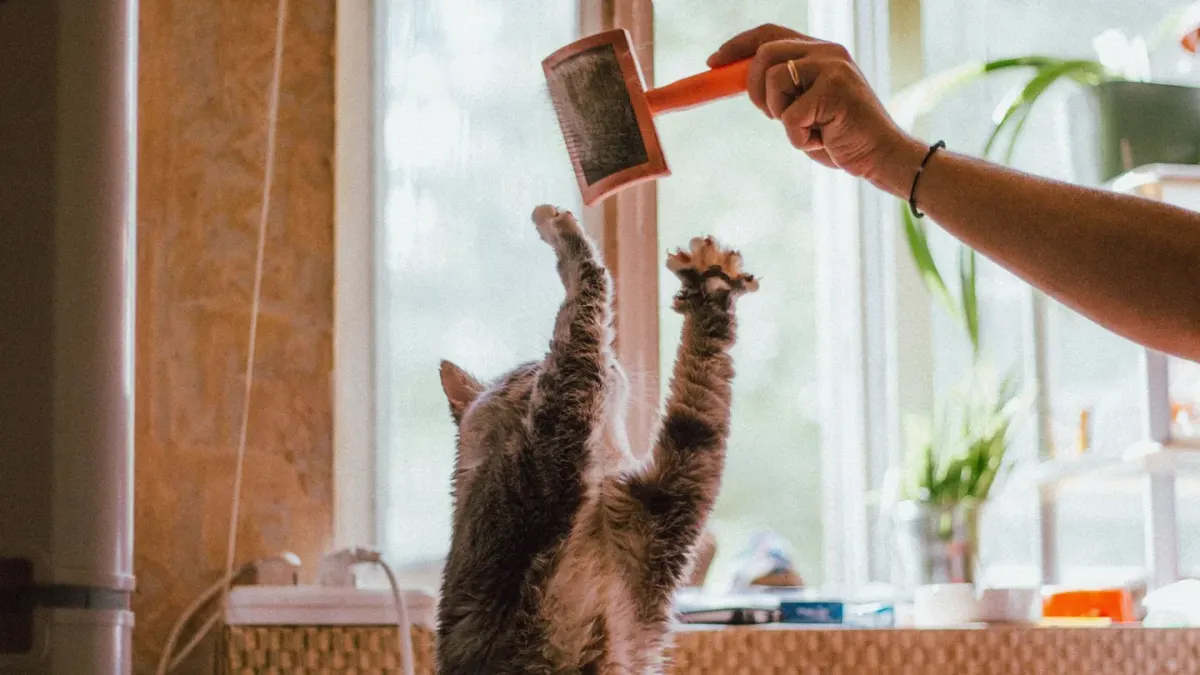
Choose a rubber curry, grooming mitt, or soft natural-bristle brush. Work in the direction of hair growth with light pressure, then finish with a damp microfiber cloth to pick up dust. Check as you go: flakes along the back, greasy feel behind the ears, small scabs on the rump, or thinning around the tail base.
Two to three sessions per week takes about five minutes for most medium dogs. Daily quick passes during heavy shed weeks are reasonable. If brushing causes redness, yelping, or hair loss, stop and ask your vet — technique or an underlying skin issue may need attention.
For tool basics that carry over to short coats, see Essential Dog Grooming Tools for Beginners and Grooming Needs by Dog Size: Small vs Large Breeds.
Baths, sun, and cold: where short hair stops winning
Short coats dry fast, which helps after rain. They also offer less insulation and less UV barrier.
Bathe every four to eight weeks for most healthy short-haired dogs, using lukewarm water and a gentle dog-formulated shampoo. Rinse thoroughly; residue left near the armpits and groin often explains post-bath itch. Merck Veterinary Manual recommends thorough rinsing and avoiding human shampoos that can dry canine skin.
Weather protection matters more than owners expect. White markings, pink noses, and thin bellies sunburn. Provide shade on midday walks, limit prolonged sun on light skin, and ask your vet about sun protection for high-risk spots. In winter, lean single-coated breeds like Boxers and French Bulldogs chill quickly. A well-fitted sweater for walks below freezing supports comfort, especially for puppies, seniors, and low-body-fat dogs.
Individual dogs vary widely. A thick-coated Labrador that swims may need more frequent rinses than a Pug that mostly naps indoors.
Nails, folds, ears, and teeth still count
Short hair does not slow nail growth. Most active dogs still need trims every three to four weeks. Listen on hard floors: clicking usually means overdue. A grinder can smooth edges if your dog tolerates vibration, as outlined in Best Dog Nail Grinder: What Actually Matters When You’re Choosing One.
Add these 60-second checks to brushing days:
- Skin folds and lips in Bulldogs, Pugs, and Boxers: wipe gently, dry fully, watch for redness or odor.
- Ears in Labradors and Beagles after swimming or baths: dry the flap, look for head shaking or sweet-smelly discharge.
- Paws after salted sidewalks or hot pavement: rinse, check pads for cracks.
- Teeth: home care like brushing supports fresh breath and may help maintain gum health, but it does not replace professional dental evaluation. My dentistry lean is honest here — the evidence for chews and rinses preventing periodontal disease alone is thin.
If you are deciding how much to do at home, At-Home Grooming vs a Professional Groomer: How to Split the Job offers a practical split.
When shedding is not just shedding
Heavy shedding is normal for Dalmatians, Labs, and Pugs. Red flags are not.
Call your vet promptly for patchy loss, crusts, greasy odor that returns within days of a bath, ear itching with debris, or licking that breaks skin. Seasonal flaking that improves with brushing and humidified indoor air differs from year-round itch, which deserves a workup for allergies, parasites, or infection rather than another shampoo switch.
For sensitive dogs, ingredient choices matter more than fragrance. Fragrance-free, soap-free options are often better tolerated, though no label guarantees no reaction.
So where does that leave the low-maintenance dream? A short coat saves you from dematting, not from routine care — could five minutes with a rubber curry be the easiest preventive habit you keep this month?
Frequently asked questions
Do short haired dogs shed a lot?
Many do. Labradors, Boxers, Beagles, Dalmatians, and Pugs shed year-round with heavier periods in spring and fall. Brushing 2–3 times weekly removes loose hair but will not stop normal cycling.
How often should you bathe a short-haired dog?
Every 4–8 weeks suits most healthy dogs, plus rinses after swimming, mud, or allergen exposure. If odor returns in days, or you see sores, bald spots, or intense itch, ask your vet rather than bathing more often.
Do short-haired dogs need coats in winter?
Some do. Lean, single-coated breeds chill easily. Use a well-fitted sweater for cold walks, especially for puppies, seniors, and low-body-fat dogs, and watch for shivering.
Sources
- Dog Grooming Tips — ASPCA
- Routine Health Care of Dogs — Merck Veterinary Manual