On this page
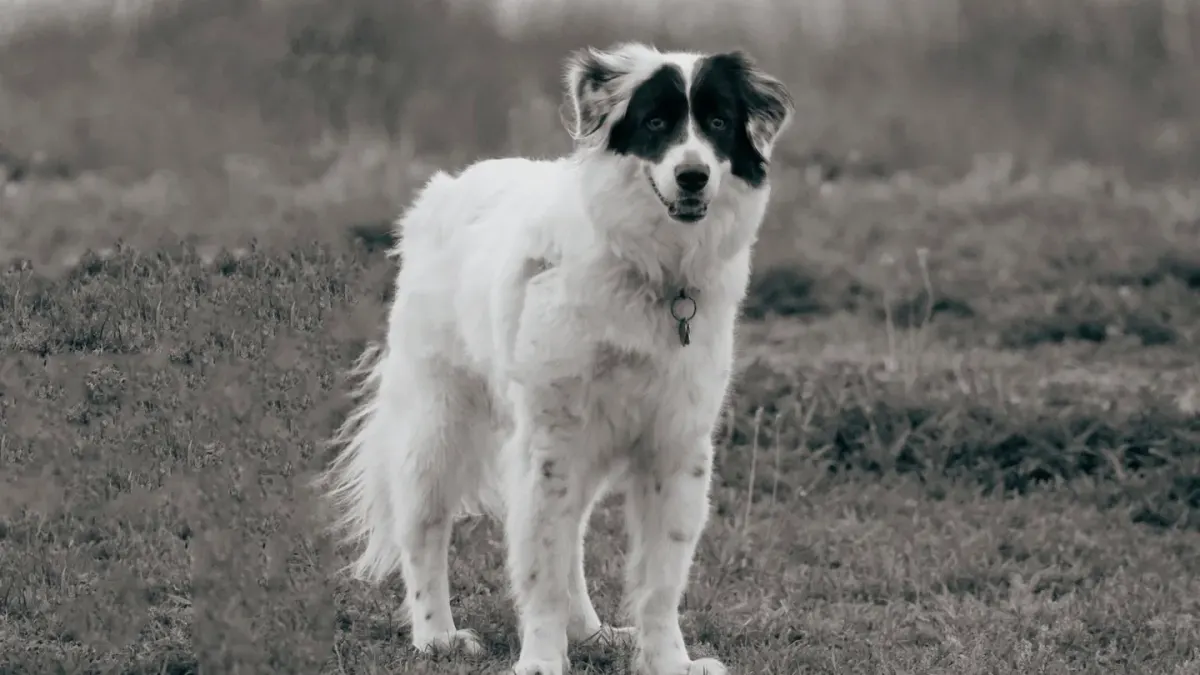
A kelpie can thrive as a companion only if you can replace a full workday of herding with structured training, running, and problem-solving every day.
If that sounds extreme, it is meant to reset expectations. Vets often see high-drive herding dogs struggle not because owners are lazy, but because a daily walk and backyard time do not match what the brain and body were selected to do.
What a Kelpie Was Selected to Do
The Australian kelpie was developed in Australia for moving sheep over long distances in heat, often with limited direction. The American Kennel Club describes the breed as an energetic, intelligent worker in its Foundation Stock Service group, and that working history still shapes pet behavior.
Endurance, heat tolerance, independence, and sensitivity to movement are features, not flaws. In a paddock they help a dog gather, muster, and hold stock for hours. In a suburban home the same traits can look like pacing, chasing bikes, nipping heels, barking at motion, and inventing jobs such as herding children or other pets.
Why a tired body is not the same as a settled brain
Locomotion burns calories, but herding also demands sustained attention, inhibition, and decision-making. Physiology matters here: aerobic exercise may help support normal stress regulation, while repetitive problem-solving and rest training may help support impulse control.
That is why I counsel owners to plan for both outlets. A long run without a thinking task often produces a fitter, faster, still-restless kelpie.
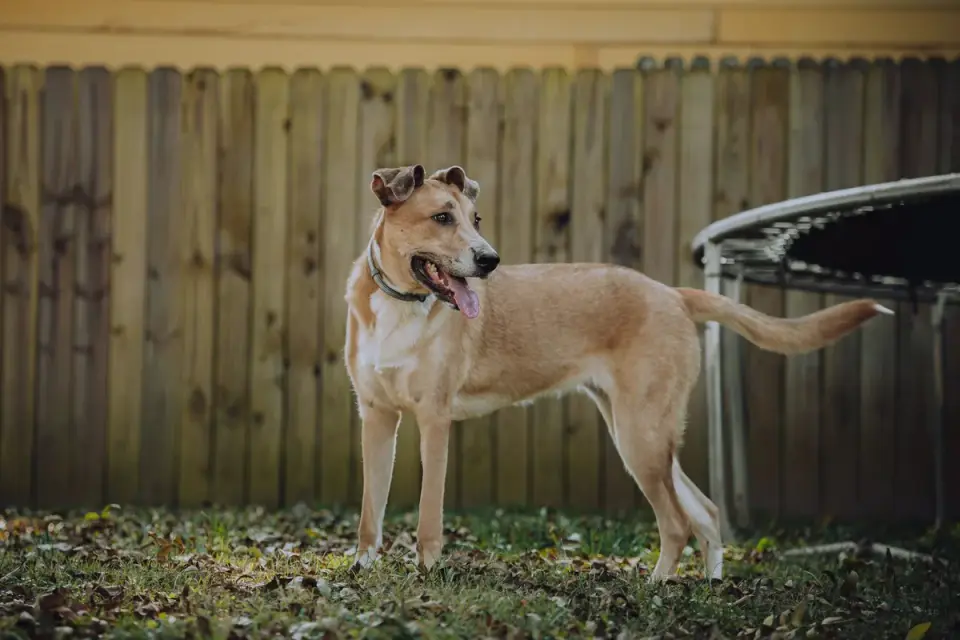
Temperament Up Close: Loyal, Sharp, and Always On
Most kelpies are deeply bonded to their people, quick to learn, and eager to work. Many are reserved with strangers and sensitive to tone, pressure, and inconsistency.
Expect a dog that notices everything. That vigilance makes training efficient when cues are clear and rewards are predictable, and it makes harsh corrections counterproductive. Low-stress handling, short sessions, and a consistent baseline for behavior work best.
Individual dogs vary widely in temperament.
This is not a breed that self-entertains quietly for 10 hours. Without direction, arousal spills into chewing, digging, fence-running, escaping, or reactivity on leash.
Could Your Home Carry a Working Day?
Be concrete about space, time, and family fit before you fall for the size and coat. Kelpies are medium, short-coated, and easy to groom, which misleads apartment dwellers into thinking they fit Best Dog Breeds for Apartment Living more easily than they do.
Use this checklist as a baseline:
A workable kelpie home usually has 90 to 120 minutes of active engagement daily, split across sessions rather than one weekend hike. It has access to running space, fetch or herding-ball play, scent work, or a sport such as agility, flyball, or treibball. It has a plan for alone time that includes confinement training, chew rotations, and rest, not just more exercise.
Homes with very young children, cats that flee, or close neighbors sensitive to barking often find the trade-offs harder. Movement triggers chasing, and a kelpie that cannot switch off will practice herding the household.
If you are weighing related decisions, it helps to read Purebred vs Mixed-Breed Dogs: What to Consider and Male vs. Female Dogs: Do Temperament Differences Actually Matter?. Training and management matter far more than pedigree papers or sex.
A schedule that actually holds up
Morning problem-solving plus midday movement plus evening calmness training beats one exhausting outing. For example, 20 minutes of obedience or trick chains before breakfast, a run or bike attachment interval at midday where safe and age-appropriate, then mat work and chew time in the evening teaches the nervous system to cycle up and down.
Build rest on purpose. Many kelpies do not choose it.
Training, Grooming, and Preventive Health
Start with recall, a reliable stop or down at distance, loose-leash skills, and a place cue. Keep criteria small, reward promptly, and end before frustration rises. If nipping, circling, or staring at people intensifies, reduce freedom and rehearse an incompatible behavior rather than repeating a cue louder.
The United Kennel Club standard describes a compact, muscular, weather-resistant dog built for agility rather than bulk, which helps explain why kelpies stay soundest when lean and conditioned gradually. Puppies and adolescents need controlled growth, traction-appropriate surfaces, and gradual mileage; ask your own veterinarian to set timelines for running and jumping.
Coat care is straightforward: weekly brushing, nail trims, dental care, and skin checks after brush or field work. For a broader routine by coat and life stage, see Dog Breed Care Guide: How Care Needs Actually Vary by Breed.
On health, stay in structure/function language. No breed screen guarantees a healthy individual, and current breed-level evidence does not support strong promises about supplements or diets preventing disease. The Federation Cynologique Internationale breed nomenclature places the kelpie in the sheepdog group, but health screening, weight, parasite prevention, and behavior follow-up belong in an individualized plan with your veterinarian.
What would change my recommendation? Consistent evidence that pet-only kelpies with modest exercise show stable welfare and low rates of anxiety-related behavior. That evidence does not exist today, so I keep the bar high: choose this breed when you want a training partner every day, not when you want a calm companion who happens to be athletic.
Who Should Pause
Choose a different breed if your day cannot hold training plus vigorous exercise, if no one enjoys teaching new skills, if your dog would be alone and under-exercised most weekdays, or if your household needs a naturally low-arousal dog around small children or reactive dogs.
That is not failure. It is good matching.
A kelpie is a working machine first. Respect that design, and you get a loyal, brilliant partner. Treat it as a pet that needs only a walk, and boredom will do the teaching for you.
Frequently asked questions
Are kelpies good family dogs?
Some are, when adults can provide 90 to 120 minutes of structured exercise and training daily and teach children calm boundaries around chasing and nipping. Households needing a naturally calm, low-arousal dog often do better with another breed.
How much exercise does a kelpie need?
Most adult pet kelpies need more than a daily walk — typically split sessions of running, training, and problem-solving plus deliberate rest training. Build mileage gradually and ask your veterinarian about age-appropriate limits.
Do kelpies bark a lot?
They can, especially when bored, under-exercised, or exposed to constant motion triggers. Consistent training, adequate work, and management of fence-running and window-guarding may help support quieter behavior.
Sources
- Australian Kelpie — American Kennel Club
- Australian Kelpie — United Kennel Club
- Australian Kelpie (293) — Federation Cynologique Internationale