
On this page
Maya had mapped the beach weekend for months, but her 4-year-old 48-pound shepherd mix had other plans. Every practice departure ended the same way — pacing to the door, whining by minute five, then chewing the windowsill trim while she sat in the driveway watching on camera. She was not worried about disobedience. She was worried the trip itself would undo three weeks of careful alone-time training, and she asked whether she should cancel, bring him, or find someone to stay.
That question is the right starting point. Expectation first: separation anxiety is not a training gap you can power through with a busy itinerary. It is a panic response to isolation, with vocalizing, destruction near exits, house-soiling, and attempts to escape well described in the Merck Veterinary Manual overview of separation anxiety in dogs. Planning may help support lower stress, but it does not resolve the underlying pattern on a travel timeline. Individual dogs vary widely, so your plan has to fit the dog in front of you.
What does alone really look like for your dog right now?
Before you book anything, get a baseline. Set up a camera and record two or three ordinary departures of 15 to 30 minutes, then note when signs start, what they look like, and how long they last.
Dogs with true isolation distress often struggle within minutes, focus on doors and windows, and do not settle with food puzzles or background noise. Dogs that are bored or under-exercised may bark at triggers and then nap. That distinction matters, because only one of those dogs needs an anxiety-centered travel plan and follow-up with your own vet.
Use what you see to sort your options. If your dog cannot rest alone for the length of a dinner out, a week of long hotel absences is not the trip to test progress. Talk with your veterinarian early about behavior history, medical contributors, and whether referral to a behavior professional makes sense before you travel.
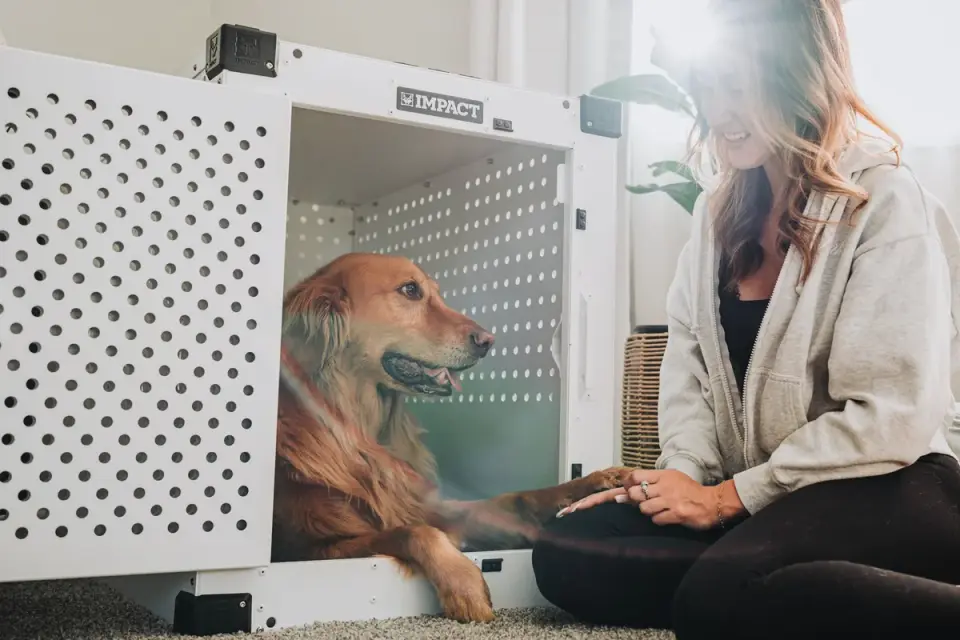
Should he come with you, stay home, or stay somewhere else?
This is the main decision, and there is no universally calm choice. I counsel owners to pick the setting with the fewest alone stretches and the most predictable routine.
Taking the dog can work when the itinerary is genuinely dog-inclusive — vacation rental with company most of the day, familiar crate, same feeding and walk times. It fails when “dog-friendly” means long days away in a strange rental while he waits alone. Driving plans deserve the same scrutiny; review Dog Car Seat Belt vs Crate vs Barrier: Which Restraint Is Safest? before you assume a loose dog will rest easier on the road.
Leaving home with support often suits dogs that panic in novel places. An in-home sitter who stays overnight keeps smells, sounds, and routes stable. For help weighing formats, compare In-Home Sitter vs. Drop-In Visits vs. Doggy Daycare: How to Choose and Boarding Kennel vs Pet Sitter: Which Is Right for Your Dog?. For most anxious dogs, continuous presence beats short check-ins.
A second attempt taught Maya that lesson. She booked three full days of daycare as a trial, hoping fatigue would carry her 48-pound mix through the beach weekend absences. By day 10 the report cards looked cheerful, but the home camera told a different story — drooling at the gate on drop-off mornings, then shredded bedding after a four-hour Saturday gap when daycare was closed. The tradeoff was clear: social days had not changed how he felt about being alone, and stacking a novel hotel on top would only add triggers. She kept the rental, shortened absences to under two hours, and hired her regular sitter for the one long dinner out instead of boarding.
How I help owners choose
- Can you keep absences under his current comfortable threshold almost every day?
- Which setting preserves sleep, feeding, walking, and a familiar resting spot?
- Who is the specific human present during the hardest hours, not just overnight?
If no option clears that bar, changing the trip is kinder than hoping he adjusts.
How do you build a low-stress routine around the choice you made?
Keep it preventive and boring, in the best sense. Predictability may help support rest.
Start two to three weeks out. Keep departures low-key, practice the exact morning sequence you will use on the trip, and keep crate or resting-area cues consistent. The American Veterinary Society of Animal Behavior position statements emphasize humane, reward-based approaches for fear and anxiety, which is the framework I want owners to stay inside.
Pack for continuity: usual food measured out, worn shirt that smells like home, same bed or crate pad, chew that he already knows, written schedule with vet contact and threshold notes for the caregiver. Ask the sitter to keep comings and goings quiet, avoid long greetings, and text rather than calling you if he vocalizes.
If you fly, do not add cargo stress to separation stress without careful vet input. Read How to Fly With a Dog: The Complete Guide early so crate acclimation, timing, and paperwork do not become last-week surprises.
Plan absences in writing. One calm anchor outing is better than three hopeful ones.
The edge case owners miss involves age and health. A 11-year-old 22-pound cocker spaniel I counseled looked anxious on video — pacing and whining after the owner left — but by week three of tracking we saw the pattern clustered around evenings, with increased water intake and restlessness overnight. Cognitive change and medical issues can mimic or worsen separation signs, and a senior dog boarded in a bright, noisy kennel may not sleep even with company nearby. For that dog, staying home with a quiet overnight sitter, nightlight, non-slip rugs, and a vet check before travel supported rest far better than coming along for a busy family reunion. When the presentation shifts with age, pause the travel plan and let your vet reassess baseline first.
Where I land when owners have to decide this week
If your dog panics alone, choose togetherness over independence for this trip. Bring him only if he can stay with you for nearly all of it. Otherwise keep him where he sleeps best with a person he already trusts.
The strongest counterargument is that avoidance delays independence training. That is fair over months, and I agree long-term progress needs gradual absences. But a trip is not a training block. Flooding an anxious dog with longer, stranger absences risks sensitization, not learning.
Keep timelines realistic. Structure, familiar people, and short predictable absences may help support calmer behavior while you travel, and they protect whatever baseline you bring home to build on.
Sources
- Position Statements — American Veterinary Society of Animal Behavior