On this page
The kitchen tile felt cool through socks by 8 a.m., and the old Lab was already camped on it. Last July, a 9-year-old 78-pound Labrador mix started skipping his morning kibble and panting through breakfast, and his owner worried the stuffy ranch house was too much without air conditioning. We moved his bed off the sunny rug onto the tile, set a box fan low across the hallway to pull air from the shaded north windows, and shifted his long walk to 7 a.m. Within three mornings his appetite steadied and he was choosing the tile on his own. That rhythm — cool surface, moving air, and heat avoided rather than chased — supports comfort for most house dogs.
Find the coolest square feet and let your dog claim them
Close south- and west-facing blinds by late morning. Open shaded windows on opposite sides of the house to create a cross-breeze, and run a fan low where your dog already rests. Tile, linoleum, or a basement floor draws heat away better than a thick dog bed.
Offer a damp towel or a pressure-activated cooling mat on top of that hard floor, not instead of it. Keep crate doors open for airflow — a covered crate traps heat fast. For ideas on setting up that resting spot for overnight comfort, see How to Set Up a Crate for a New Puppy’s First Night.
Keep evening lights low and cooking heat out of the dog’s room when you can. Individual dogs vary widely in where they settle, so watch where yours goes and build around that choice.
Move walks, meals, and play to the cool edges of the day
Walk early morning and after sunset. Keep midday outings to a quick potty break on grass, not asphalt. Bring water, watch the tongue and pace, and head home while your dog still wants to continue.
A three-month-old French Bulldog puppy in a second-floor apartment showed how fast heat builds with the wrong routine. His owner tried one long noon walk to tire him out, and by the second block his panting turned loud and ropey and he sat down twice in three minutes to refuse forward. We cut back to two 10-minute sniff walks at 7 a.m. and 8 p.m. plus indoor play, and his recovery panting after walks shortened from nearly 20 minutes to under five. Brachycephalic breeds lose heat less efficiently, and the American Veterinary Medical Association notes that flat-faced dogs, seniors, and puppies need extra caution in heat.
Feed a little less at noon and a little more in the cooler morning and evening if appetite dips. That pattern may help maintain normal energy intake without pushing a big digestion load during peak heat.
Use water and moving air the way dogs actually lose heat
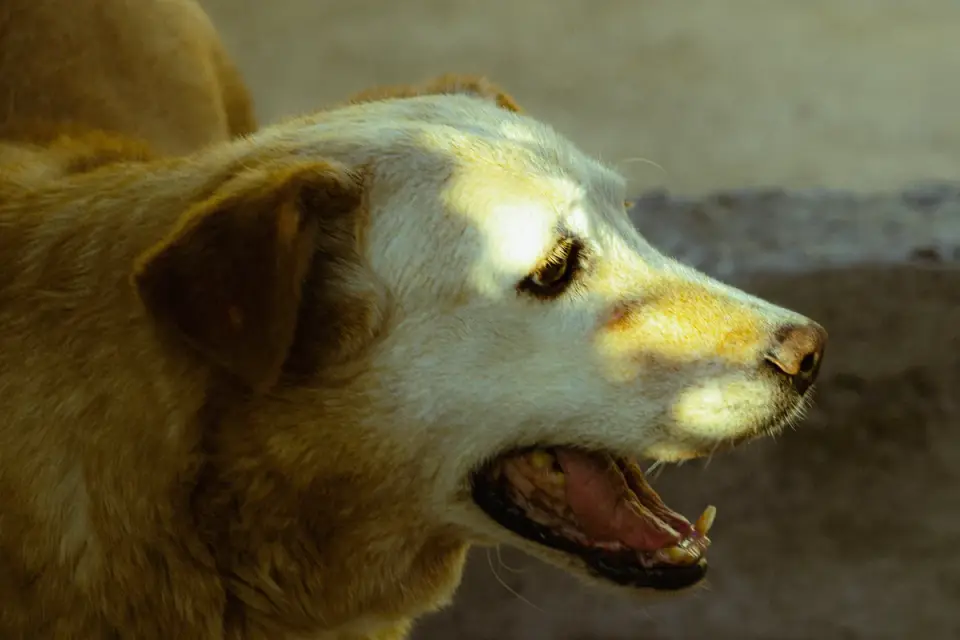
Dogs shed most heat by panting and through paw pads and belly skin, so evaporation and airflow matter more than ice. The VCA Animal Hospitals guidance on heat stroke in dogs emphasizes cool water, shade, and prompt cooling when panting does not resolve.
Do this, in order:
- Keep fresh, cool — not ice-cold — water in two spots. Add a second bowl with a few ice cubes for dogs that drink more when it clinks.
- Drape a cool, damp towel over the neck and belly for 10 to 15 minutes, then re-wet it. A dry towel left on becomes insulation.
- Aim a fan to skim across the dog at floor level. Misting the belly and paw pads lightly before fan time supports evaporative cooling.
- Offer a frozen lick mat, broth ice cubes, or wet food moistened with water for dogs that ignore warm bowls.
Skip full ice baths, alcohol rubs, and heavy wet blankets. Very cold water can cause shivering and slow cooling. If your dog has a thick double coat, resist the urge to shave it to the skin — the undercoat insulates against heat as well as cold, as reviewed in Cooling Options for a Thick-Coated Breed at Home.
Read the early signs before the afternoon catches you
Heavy panting, drool, restlessness, and a hot belly mean pause everything. Move to shade, offer water, start damp-towel cooling, and skip the rest of the walk.
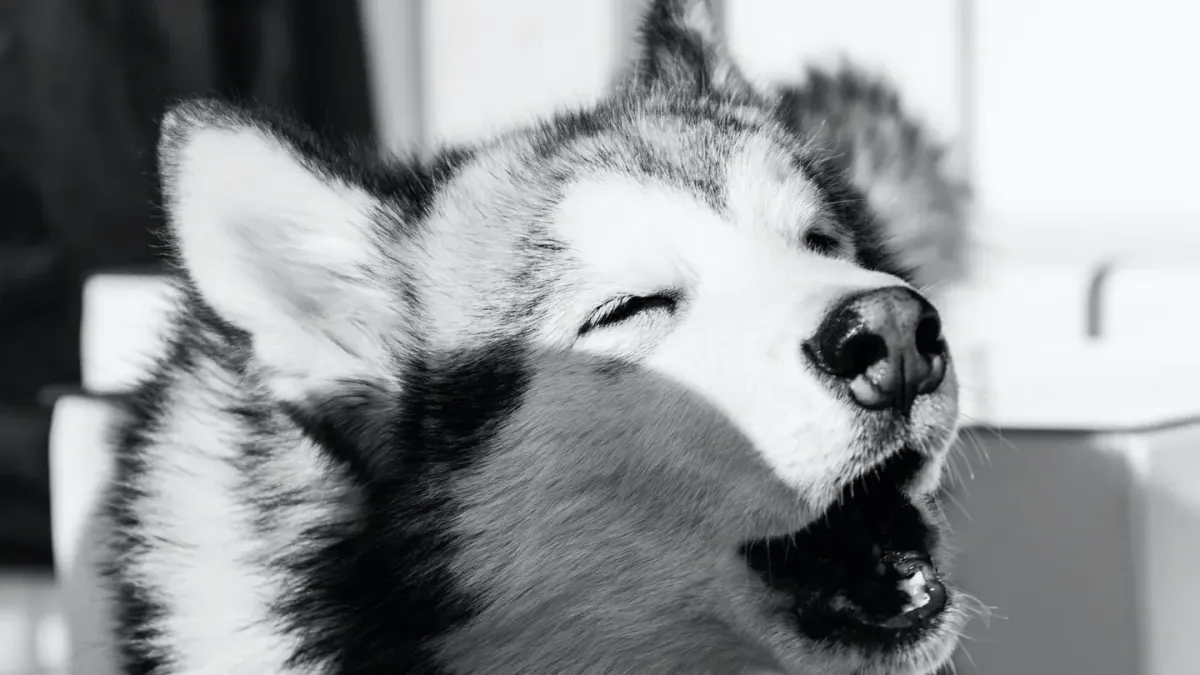
This is where a simple plan has to bend. A 4-year-old husky mix used to two-mile evening runs kept overheating even at dusk during a humid week, pacing and whining for over an hour after a shortened one-mile loop. Her owner swapped the run for 15 minutes of nose work on the basement floor plus a kiddie-pool paw soak, and her settle time dropped back to about 10 minutes. High-drive northern breeds often need the job replaced, not just shortened. The Cornell University College of Veterinary Medicine advises contacting a veterinarian promptly when signs like glazed eyes, vomiting, or collapse appear, since heat stroke can progress quickly.
In day-to-day practice, the dogs that do best without AC have a predictable routine: cool floor to lie on, air that moves, water within a few steps, and no hard exercise between about 10 a.m. and 6 p.m. Prevention is the whole game here, and honestly the evidence for any single cooling gadget is thin. Keep the setup simple, watch the individual dog in front of you, and call your vet early if recovery takes longer than usual.
Frequently asked questions
What room temperature is too hot for a dog without AC?
There is no single safe number — age, breed, coat, weight, and humidity all matter. If your dog pants at rest, seeks tile, or will not settle, the room is too warm for that dog. Move to a cooler floor, add airflow, and call your vet if panting does not ease.
Should I shave my dog to keep them cool?
Usually no. For double-coated breeds the coat insulates against heat, and shaving can raise sunburn risk. Keep the coat clean and mat-free, and focus on cool surfaces, shade, and rest timing instead.
Is it safe to put ice in my dog's water?
A few cubes in a separate bowl is fine for most healthy dogs and may encourage drinking. Do not force ice water or use an ice bath for an overheated dog — cool water, damp towels, and airflow are safer first steps.
Sources
- Warm Weather Pet Safety — American Veterinary Medical Association
- Heat Stroke in Dogs — VCA Animal Hospitals