
The puppy on the table was 9 weeks old, a 12-pound doodle mix with soft curls that already caught every leaf in the yard, and he had decided the brush was a chew toy. His owner laughed, then looked worried — was she already behind? We slowed down, let him sniff the brush, touched it to his shoulder for two seconds, treated, and stopped. By the fourth repetition that morning he leaned in for more. That is the whole plan in miniature: pair each new sensation with something good before you ask for more.
Starting early matters because the socialization window closes quickly. The American Veterinary Society of Animal Behavior notes that positive exposure during the first months shapes how puppies respond to handling later, and grooming is handling. Touch paws, lift lips, look in ears, run hands along the belly. Keep it brief and upbeat.
Let them meet the tools first
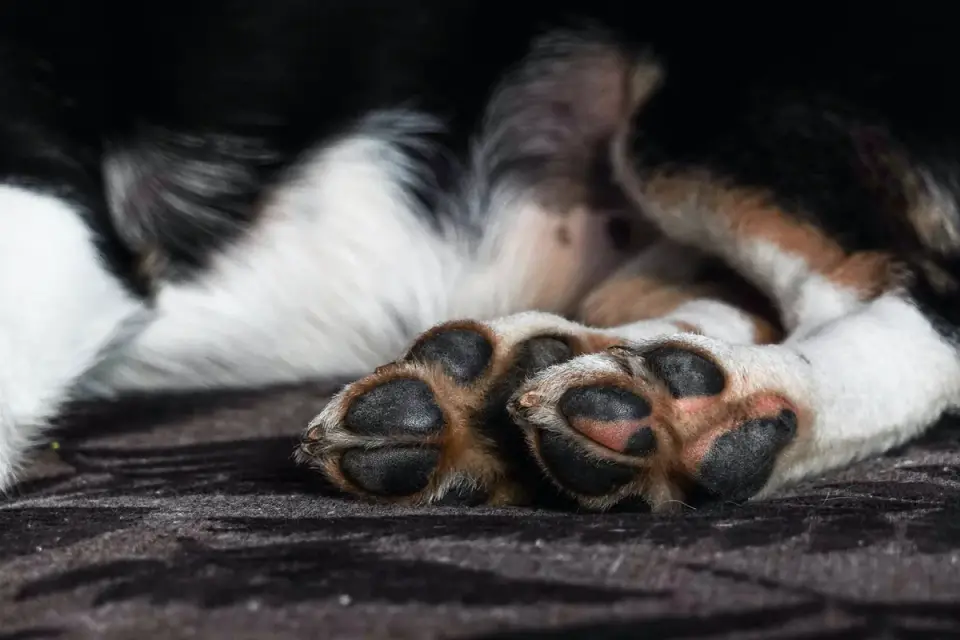
Forget the bath for week one. Lay out a soft brush, comb, nail clippers, and a towel on the floor and let your puppy investigate. Touch the brush to their back, give a treat, remove the brush. Touch an ear, treat. Hold a paw for one second, treat.
Short wins build tolerance faster than one long session. Try two to three minutes, once or twice a day, and end while your puppy still wants more.
It helps to split the job the way many families do between home and salon. Our guide to At-Home Grooming vs a Professional Groomer: How to Split the Job walks through what to practice at home even if a groomer does the haircuts.
Add sound, water, and handling in layers
Once brushing feels boring, add one new layer at a time. Run an electric toothbrush or clippers turned off near the body, then turned on six feet away, treating calm behavior. Next visit, touch the back of the vibrating handle to the shoulder for a second.
The same layering applies to baths. First, treats in the empty tub. Another day, an inch of lukewarm water and a wet washcloth on the back. Save shampoo for when standing in water feels easy. VCA Hospitals reminds owners to use lukewarm water, dog-formulated products, and thorough rinsing to support normal skin, and that guidance matches what I see in practice — most irritation comes from too-hot water or leftover soap, not the bath itself.
A family I worked with learned this the hard way with their 5-month-old beagle. Eager to “get him used to it,” they ran a full bath, nail trim, and high-velocity dryer back-to-back on a Saturday afternoon. By minute 20 he was lip-licking, yawning, and scrambling out of the tub, and he hid from the bathroom for three nights afterward. We scrapped the marathon. They went back to one task per day — Monday just paws and 12 tiny treats for touching the clippers to each nail, Tuesday just a damp towel rub — and within two weeks he walked into the bathroom on his own again.
That pause is prevention.
Make nails and the dryer non-events
Nails are where most owners rush. Start by handling feet during cuddle time, then press gently to extend a nail, treat, release. Then introduce the tool sound — clip a piece of dry spaghetti near the paw so the snip predicts chicken. Only then trim one nail tip and quit.
If you are deciding between tools, Do You Need Dog Clippers or Just Scissors? A Vet’s Grooming Breakdown and Essential Dog Grooming Tools for Beginners can help you match the tool to your dog’s coat and your comfort level before you buy more gear.
For dryers, toss treats near a towel first, then add low airflow from across the room pointed away from the face. Many puppies do best with blotting and air-drying early on.
Not every puppy follows the textbook order. A recent 4-month-old terrier mix I saw would accept brushing anywhere except her front feet after a quicked nail at another salon. For her we bent the rules: no foot work for 10 days, all body handling and play around the grooming table, then reintroduced feet with a lick mat and just one paw lifted for three seconds per session. Her owner tracked it on the fridge — seven calm sessions in a row before we tried a single nail tip again. Individual dogs vary, and a short detour now supports easier care for years.
What to keep practicing weekly
Aim for a little maintenance rather than perfection. Brush the areas that tangle, check between toes and under the collar, peek in ears, and reward settling on a mat. If you see persistent scratching, redness, odor, pain when touched, or fear that gets worse instead of better, check in with your veterinarian or a Fear Free–minded groomer for a tailored plan.
Done this way, grooming becomes background noise — just another routine that predicts good things.
Sources
- Puppy Socialization Position Statement — American Veterinary Society of Animal Behavior
- Grooming and Coat Care for Your Dog — VCA Hospitals