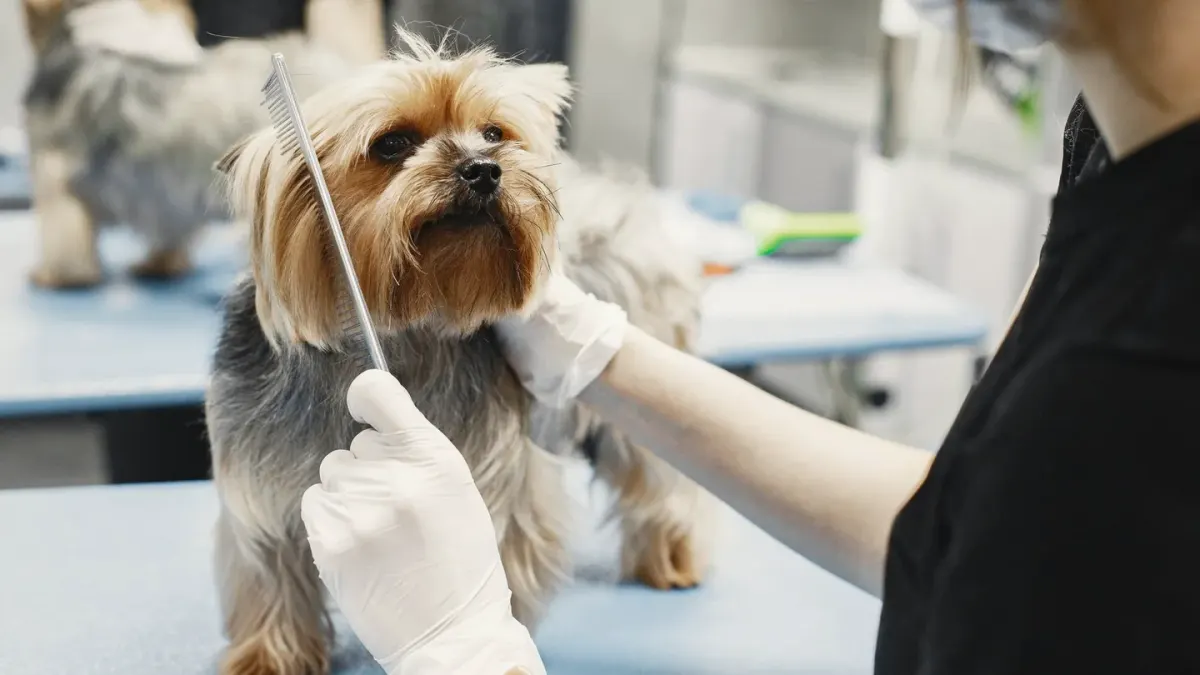
Fleas are small, fast, and skilled at hiding against the skin, which is why parting the coat and staring rarely settles the question, while a fine-toothed flea comb that lifts fleas and flea dirt onto white paper makes the answer visible within a few minutes. The method pairs the mechanical action of combing near the skin with a simple color check for digested blood, which may help support early detection before itching and skin irritation become a wider pattern affecting comfort and rest.
Why a flea comb finds more than eyes alone
Adult fleas are only about 1 to 3 millimeters long and move quickly toward the base of dense hair, so visual inspection alone often misses them, especially in thick, dark, or double coats that many owners describe in daily brushing for a double coat. describes fleas as a common cause of itching and skin disease in dogs and notes that finding flea dirt is often as informative as finding a live flea.
Flea dirt looks like coarse black pepper scattered near the skin, and that appearance reflects its makeup as flea feces containing digested blood, which dissolves into reddish-brown streaks when moistened. That wet-paper change is the heart of the check, because ordinary household dirt stays dark gray or black while flea dirt bleeds red. Merck Veterinary Manual describes flea allergy dermatitis and the intense itching that sensitive dogs may develop from flea bites, which is one reason a calm, systematic combing that catches the nervous-system signs of scratching, restlessness, and skin sensitivity alongside the whole-patient pattern of coat and skin health deserves a regular place in grooming.
Set up a calm five-minute comb check
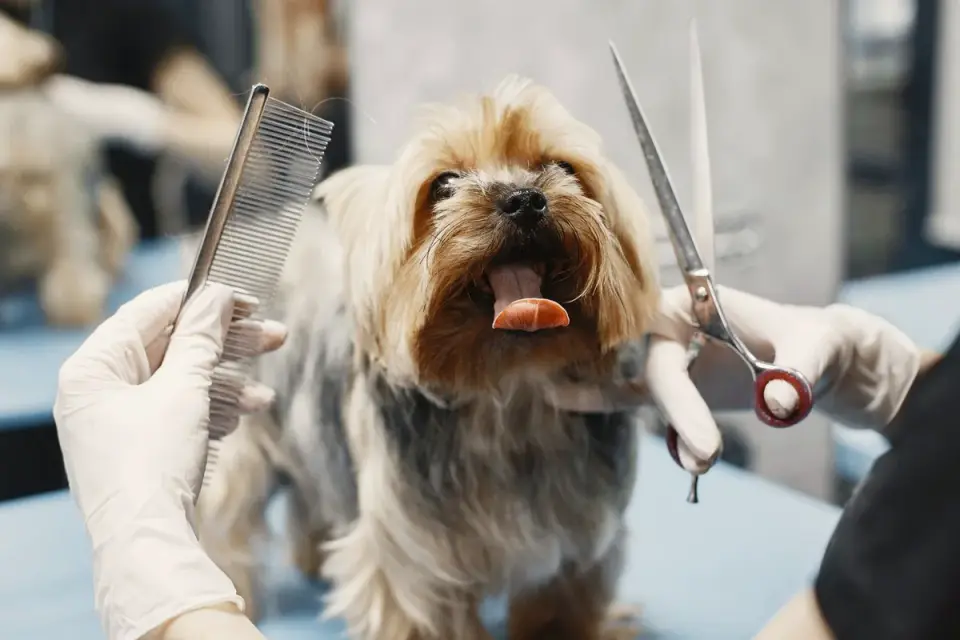
Choose a time when your dog is settled, ideally after a walk or play session when handling is easier, a pattern many owners also use for nail care and brushing. Work on a washable floor or table, with good light, a metal flea comb, a bowl of warm soapy water, and several sheets of white paper towel lightly dampened. Have treats nearby so you can reward stillness between sections, and keep sessions short for puppies or dogs that are new to handling, much as you would when you split grooming between home and salon.
Comb slowly in the direction of hair growth, pressing just enough for the teeth to reach near the skin without scraping, then inspect the teeth after every two or three strokes. Tap or rinse what you collect onto the white towel or into the soapy water, because live fleas jump and soapy water helps contain them for disposal. If your dog has mats, work around them gently rather than pulling through, and save dematting or clipping decisions for a separate session using guidance such as clippers or scissors for grooming.
Where to comb and what counts as positive
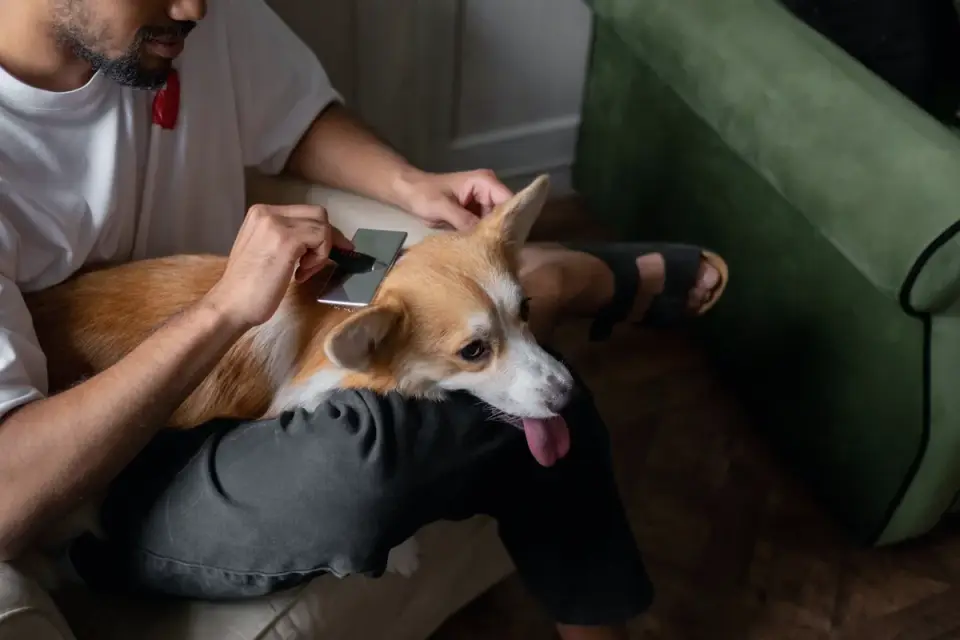
Start where fleas tend to gather, which is the warm, sheltered skin around the base of the tail and rump, the groin and belly, the back of the thighs, the neck and collar line, and behind the ears. Part the hair in those areas first, look for moving specks or pepper-like debris, then comb four to six strokes per section and check the towel. On white-coated dogs where debris can be harder to interpret after outdoor play, the damp-towel color change is especially useful, just as brushing after mud dries helps reveal what is really on the coat and skin.
A positive check is either a live flea trapped in the comb or black specks that turn reddish-brown on damp white paper. Finding one or the other means fleas have fed on your dog recently, even if you see no adults, because flea dirt falls from the coat while adults remain. Rinse the comb in soapy water between sections, note where you found debris, and watch for redness, hair loss, scabs, or persistent scratching that suggests irritation beyond a single flea. Contact your veterinarian for next steps on safe flea control for your dog’s age, weight, and health status, and ask whether household cleaning and follow-up combing are needed to catch newly emerging fleas.
If the comb check is negative but itching continues, repeat it in two to three days and add a brief skin look during routine brushing, because a single light infestation is easy to miss. Keep the routine gentle and predictable, pairing combing with relaxed handling and rewards so future checks stay easier, and keep notes on date, body location, and what you saw so your veterinarian has a clear history to work from.
For related context, read How to Find the Quick on Black Dog Nails.
For related context, read At-Home Grooming vs a Professional Groomer: How to Split the Job.
Sources
- Fleas of Dogs — Merck Veterinary Manual