
On this page
Maya, eleven, fifty-two pounds of gray-muzzled Labrador, stood on the kitchen rug while her owner held a treat two inches too high for a “bow.” Her back legs trembled, she sat instead, then looked away. Her owner worried she was being stubborn or had forgotten how to learn. In the exam room I hear this worry often with senior dogs, and my first counseling line is always expectation first: learning slows with age, but willingness rarely disappears. We just have to adapt training for a new cue to the body and brain in front of us, not the young dog we remember.
That adaptation starts with a baseline. Before you teach anything new, note vision, hearing, footing, and stamina on that day. Does your dog hesitate on slick floors? Miss a soft voice cue from ten feet? Need a minute to rise after a nap? Those observations set your plan more than any protocol will. The American Veterinary Society of Animal Behavior emphasizes low-stress, reward-based methods as the foundation for learning, which matters even more when an older dog may startle, tire, or ache more easily.
What does “learning” look like after age eight?
Forget fast chains of behaviors. For most seniors, success is one clear cue, one comfortable position, and a high rate of reinforcement for small tries.
I recommend owners prioritize comfort over form. If a full sit is stiff, accept a chin rest or a standing touch. If a down on tile hurts elbows, move to carpet or a bed. Keep sessions to two to three minutes, two or three times a day, and stop while your dog still wants more. That structure may help support attention without overloading joints or focus.
How I set the baseline in the room
I watch for lip licking, yawning, turning away, or lying down unasked. Those are pauses, not defiance. I also ask owners to track one observable marker, such as how many repetitions before the dog disengages.
That pause is information.
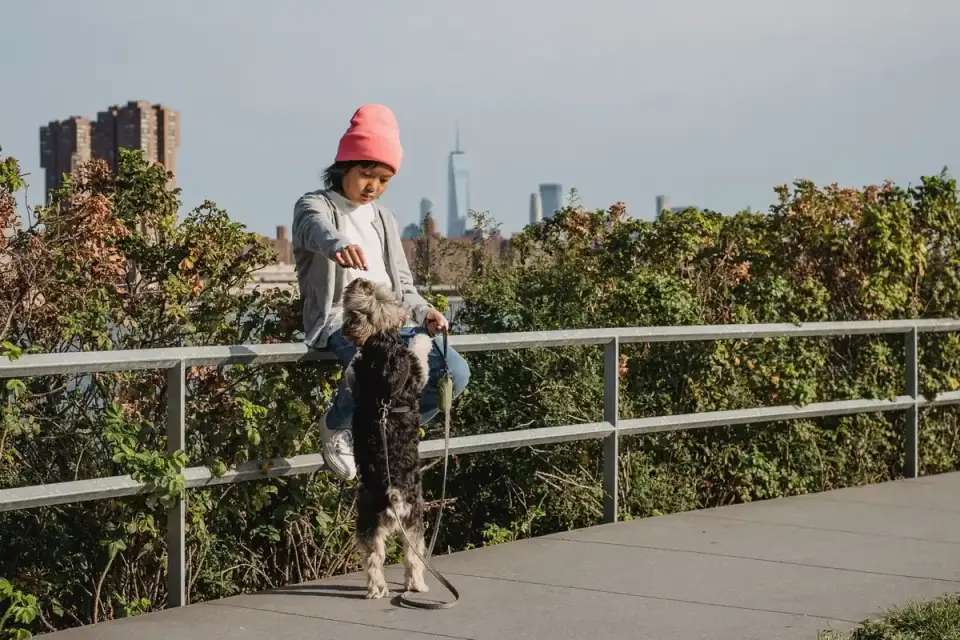
Why did louder and longer stop working for Bruno?
Three weeks in, an owner told me her nine-year-old, sixty-eight-pound Shepherd mix named in her notes only by weight and age was “failing” a new touch cue. Her approach had been logical for a younger dog: ten-minute sessions in the garage, a verbal cue repeated louder when he missed, and a large biscuit at the end. By day 10 he walked to his bed when the treats came out. His ears pinned, he sniffed the floor, and he offered a slow sit that had nothing to do with the hand target she wanted. She worried his memory was gone and considered dropping training entirely.
The tradeoff was effort versus clarity. Longer sessions fatigued him, the louder cue startled his narrowing hearing, and one big payoff could not compete with ten confusing minutes. The strongest counterargument I hear is that seniors need more repetition to “push through,” but pushing through often rehearses avoidance. We cut sessions to ninety seconds on carpet, switched to a hand signal paired with one quiet word, and rewarded every nose-nudge with a pea-sized soft treat. His engagement returned because the task fit his senses.
If you want a useful comparison for setup, our guide to How Long Should a Training Session Be to Tire the Brain? explains why brief, enrichment-style work tires the brain without tiring the body. For older dogs, that principle is preventive care.
Which adjustments actually help an aging body learn?
Think in structure and function terms: clear signal, comfortable posture, easy reward delivery.
Make the cue visible and close. Age-related hearing and vision changes mean many seniors track a hand target better than a distant verbal cue. Present your hand six to eight inches from the nose, mark the instant of interest, then reward at the dog’s mouth level so no jumping or deep bending is required.
Lower the physical price. Teach on non-slip rugs, keep stays to two to three seconds, and avoid luring into deep bows, spins, or long downs. A Merck Veterinary Manual overview of canine social behavior reminds us that posture and proximity carry meaning for dogs, so crowding or looming can suppress the very behavior you want.
Raise the reinforcement rate. Seniors often do best with continuous reinforcement for each correct try early on, then very gradual thinning. Soft, aromatic treats that are quick to chew prevent fatigue and keep the loop tight. Our explainer on How to Use a Training Treat Pouch Effectively is practical here because fumbling for rewards adds dead time that older dogs feel.
What about behavior changes that look like training problems?
New confusion at night, house-soiling despite access, or a blank stare when asked for a known cue deserves a veterinary check before you change methods. The American Animal Hospital Association senior-care guidance encourages regular baseline exams and monitoring for pain, sensory loss, and cognitive shifts in older dogs. I frame that visit as preventive: rule out ear infection, dental pain, arthritis flare, or vision loss that makes your cue unreadable. Individual dogs vary widely, and a plan that ignores pain will look like a learning failure.
When does the “easy” dog surprise you?
By week four, a twelve-year-old, eighteen-pound terrier mix I followed in composite notes had mastered a chin rest to a towel for nail care, a cue his owner chose to replace a dreaded paw grab. Then came the edge case: he performed perfectly in the kitchen but froze in the vet lobby. Same towel, same word, different flooring, smells, and a slippery scale nearby. His owner felt embarrassed and assumed he was choosing to disobey in public.
He was not. Context and footing changed the question. Older dogs generalize less readily, and anxiety plus joint insecurity can erase a new skill in a novel place. We kept the kitchen behavior intact and rebuilt the lobby version separately: towel on a familiar mat, one-second chin rest, immediate release, then out for a sniff break. We also borrowed format thinking from Group Classes vs. Private vs. Online Dog Training: What Actually Fits Your Dog’s Stage and stayed with quiet, private setups rather than a busy class. Expect new cues to be location-specific at first.
That is normal for this life stage.
What I actually recommend for your next two weeks
Pick one cue that improves daily life, such as touch, chin rest, or go to mat. Write down your baseline: repetitions to disengagement, preferred surface, and best time of day. Train after a short potty walk when stiffness has eased, not right after a long nap. Use a marker word or quiet click, reward within one second, and end with a win. If progress stalls for three sessions, change one variable only — surface, distance, or reward texture — and retest.
My conviction after years of counseling is simple: defend short, pain-aware, reward-dense lessons over marathon drilling. The counterargument that seniors need firmer correction to stay sharp fades when you see how quickly clarity restores confidence. You are not lowering the bar. You are moving it to solid ground where an older learner can step over it again and again.
Frequently asked questions
How many new cues should I teach a senior dog at once?
Teach one cue at a time until it is reliable in two rooms. Older dogs retain better when each session has a single, clear criterion and a high rate of reinforcement.
My senior dog knows the cue at home but not outside. Is that normal?
Yes. New learning is often context-specific, especially with age-related vision, hearing, or joint changes. Rebuild the cue in each location with easier criteria and familiar footing.
When should I call my vet instead of changing my training plan?
Call if you notice new confusion, house-soiling, reluctance to move, head shaking, odor, mouth pain, or a sudden loss of a known cue. A baseline exam can identify pain or sensory change that training alone cannot fix.
Sources
- Position Statements — American Veterinary Society of Animal Behavior
- Social Behavior of Dogs — Merck Veterinary Manual
- 2023 AAHA Senior Care Guidelines for Dogs and Cats — American Animal Hospital Association