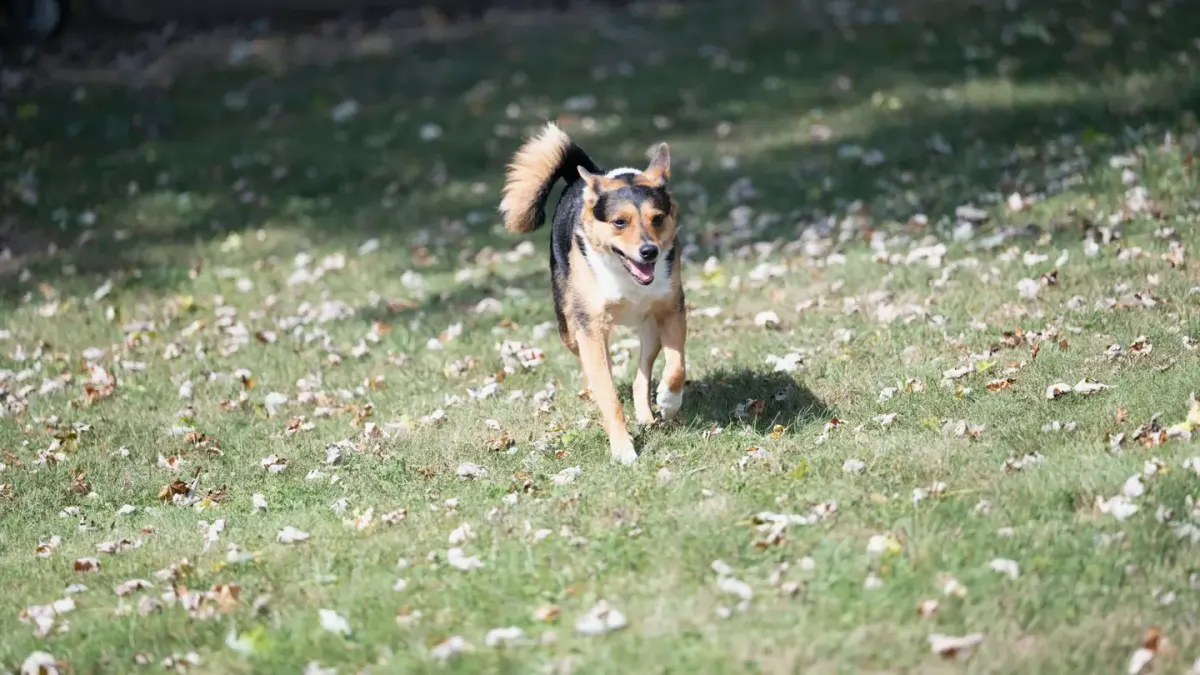
Saturday felt built for a big-dog walk, and the 4-year-old 92-pound Bernese in front of me was leaning into his harness before we left the driveway. His owner wanted a simple number — was their 40 minutes around the neighborhood plus weekend carting practice enough, too much, or too little? We timed the route, watched his breathing on the hill, checked how long it took him to settle at home, and talked through what food therapy and conditioning can realistically do for diet, mobility, and recovery in a heavy, fast-growing breed. That tradeoff between stamina and joint load is the whole question for Berners.
Most healthy adult Bernese Mountain Dogs do well with about 60 to 90 minutes of moderate activity per day, split into two sessions. The American Kennel Club describes the breed as strong and steady rather than high-endurance, which matches what I see in practice: a brisk morning walk, training and sniff time midday, and an easier evening loop beats one long weekend push.
What a balanced Bernese week really looks like
Think in weekly rhythm, not a single daily target. Four to five days of 30- to 45-minute leash walks, one longer hike or drafting session, and one or two lighter recovery days keeps weight steady without grinding joints.
Mix surfaces and speeds. Level grass trails, packed dirt, and snow are kinder than concrete. Include 10 to 15 minutes of nose work, obedience, or pulling a light cart — jobs Berners were bred for — so mental work carries part of the load.
Short is protective.
A tired Berner should be loose and bouncy the next morning, not stiff getting up.
Reading heat, weight, and joints before you add minutes
Berners overheat quickly under that black, thick coat. Exercise early or late in summer, carry water, and cut the session short if panting turns loud and unproductive or the tongue goes wide and flat. VCA Hospitals notes that age, health, and weather should shape every exercise plan, and that caution matters double for giant, heat-sensitive breeds.
Weight is the other governor. You should feel ribs easily under a thin fat cover and see a waist from above. Extra pounds multiply load on elbows, hips, and cruciate ligaments, so if condition is slipping, add sniff walks and diet control before adding miles. For ideas on splitting effort across the week, compare off-leash play and on-leash walks rather than stacking everything into free running.
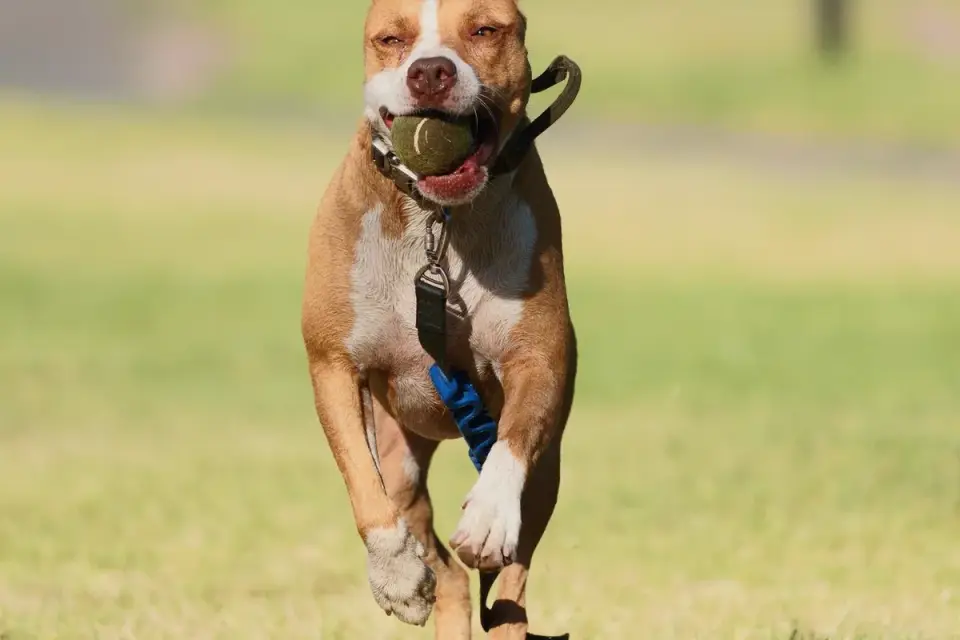
Last spring I followed up with a broad-chested 3-year-old male whose family had tried to jog him into shape with a 2.5-mile run every evening after work. For two weeks he kept up, then came the lagging behind at the half-mile mark, the long lie-down afterward, the reluctance on stairs the next morning. We swapped the run for two 30-minute walks with hills, added two 10-minute strength sessions of sit-to-stands and cavaletti poles, and tightened meals instead of chasing calories burned. His energy evened out, and the owners learned that pounding miles were not the lever they thought.
Conditioning, food, and what joint nutrition can add
I weigh supplements the same way I weigh food: what can this realistically do for diet, mobility, and recovery? Conditioning does the heavy lifting — gradual mileage, strong hindquarters, flexible shoulders, and rest days. A diet formulated for large breeds with controlled calcium and steady body condition supports skeletal health during growth and maintenance.
Joint nutrition may help support normal mobility and recovery as part of that base, not in place of it. The best reason to choose differently would be to lean on a powder or chew to justify more exercise too soon. I still land on pacing first, because no ingredient restores cartilage worn by too much, too fast, and the evidence for supportive ingredients is modest and ingredient-specific. Keep expectations structure/function: nourish the diet, support comfortable movement, and let training build fitness.
Puppies need a different ruler. Until growth plates close around 12 to 18 months, keep play short, frequent, and self-directed — multiple 10- to 20-minute outings, no forced jogging or long descents. Seniors shift the other way toward low impact; many owners find guidance on swimming versus walking for arthritis useful when the old loop gets stiff.
The 9-year-old spayed female who changed my standard talk came in last November after three nights of pacing instead of settling after her usual park circuit. Her owners assumed she needed more exercise to sleep. We cut the 45-minute group outing to a 20-minute morning sniff walk plus a 15-minute evening stroll, added a non-slip rug path and a twice-weekly 12-minute indoor obstacle and balance routine, and referred back to their vet for a mobility check. Within 10 days she was sleeping through again — proof that for an older Berner, less pounding plus more frequent movement often restores rest.
Aim for consistency your Berner can repeat tomorrow. Track minutes, surface, heat, and next-morning stiffness for two weeks, then adjust with your vet. Individual dogs vary widely, and that log tells you more than any single breed number.
Sources
- Bernese Mountain Dog — American Kennel Club