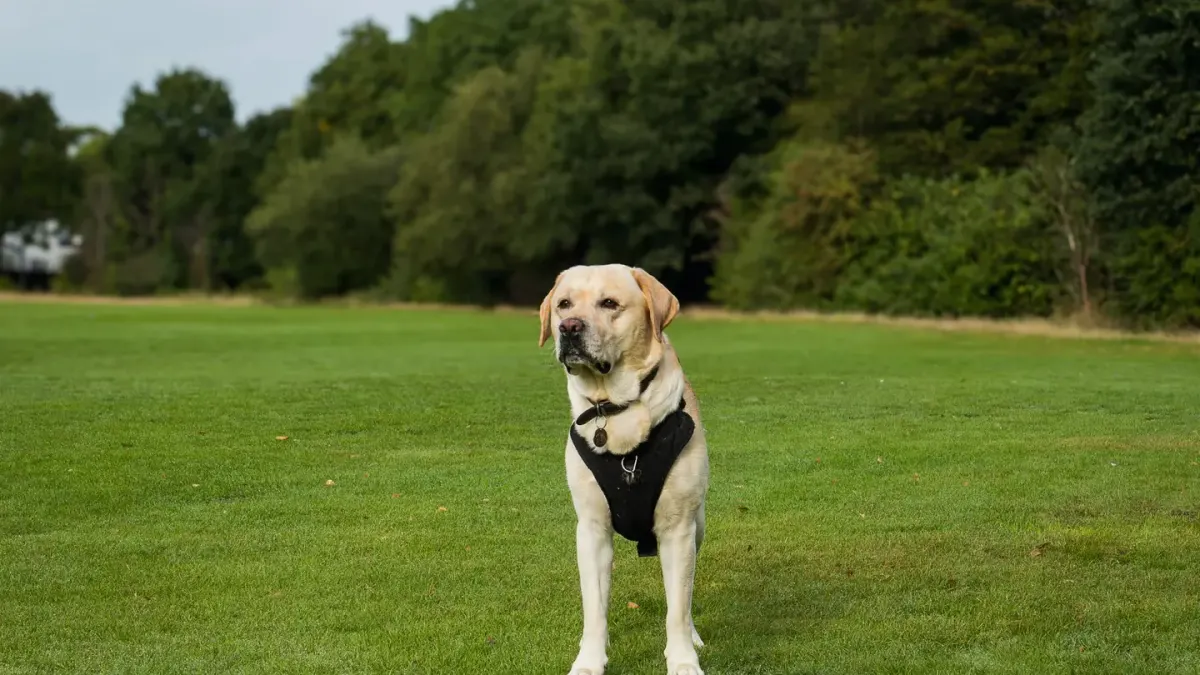
You know the dog — the one spinning with a sock in its mouth while the whole room laughs.
That silliness looks like personality, and some of it is. Labrador Retrievers, Pugs, Boxers, French Bulldogs, and Miniature American Shepherds tend to stay playful and people-focused well into adulthood. The American Kennel Club describes the Labrador as friendly, active, and outgoing, which is why that breed so often lands on funny dog breeds lists.
Expectation first, though: what we call funny is usually a smart, social dog asking for something to do.
Clown behavior is communication. Play bows, zoomies, talking, stealing laundry, and showing off with toys are normal social signals. The Merck Veterinary Manual notes that play helps dogs build social bonds and practice normal interaction, not just burn calories. When those needs are met, the antics stay short and loose. When they are not, the same dog gets pushier, louder, and harder to live with.
When goofy means bored, not happy
Compare two versions of the same dog. A well-exercised Pug does a snorting spin, flops on its back, and settles. An under-exercised Pug paces, mouths hands, barks at nothing, and steals food off counters. VCA Hospitals describes Pugs as charming and playful companions that still need daily play and weight management, not couch ornaments.
That contrast is the whole decision. Funny breeds are rarely calm on their own.
Peggy in Lakeland, Florida, lives with Aphrodite, her 9-year-old spayed Miniature Australian Shepherd. Aphrodite started doing tight hallway laps every evening around 8 p.m., carrying a different shoe each night. Peggy added two 15-minute training-and-fetch sessions a day for three weeks, and the laps shrank to one happy victory lap before bed. Same clown, better outlet.
The usual suspects, and what fuels them
Labrador Retrievers and Boxers are physical comedians — body-slam greetings, carrying objects, leaning into you. They need space to run and a job with their mouths, like fetch or scent games. Without that, their size turns funny into exhausting.
Pugs, French Bulldogs, and Boston-type companions are verbal and facial clowns. Snorts, grumbles, dramatic sighs, and wiggly greetings get a big reaction from us, so they repeat them. In practice, vets often see these flat-faced breeds get overfed and under-walked because owners mistake breathing effort for tiredness. Short, easy walks, indoor play, and strict weight control keep them comfortable and funny longer.
Herding clowns — Miniature American Shepherds, Australian Shepherds, and their crosses — invent games if you do not provide one. Spinning, herding kids, rearranging pillows, and barking at the vacuum are all herding energy with nowhere to go. Owners weighing this group can compare daily reality in Border Collie vs Australian Shepherd: The Differences That Actually Change Your Day.
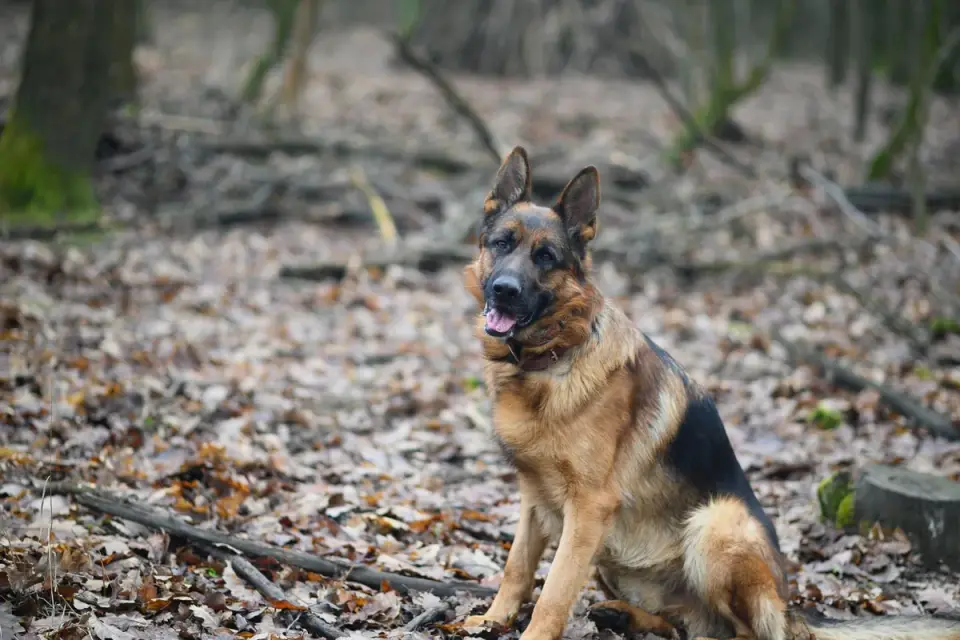
Match the clown to your house, not your mood
Apartment dwellers do better with a smaller, lower-endurance clown that settles after indoor play. See Best Dog Breeds for Apartment Living before you fall for a big, bouncy teenager.
Active households do better with a retriever or herding breed that wants an hour or more of movement plus training. If no one wants to teach tricks, do fetch in the rain, and enforce naps, skip that group. The high-drive reality check in Which High-Energy Dog Breeds Need a Job to Stay Happy? applies directly here.
Ask three plain questions: how many minutes of play and training can you give every day, how much barking and mouthiness can your home absorb, and who will keep the rules consistent when the dog is being adorable? Individual dogs vary widely, even within the silliest breeds.
Enjoy the show, then give it direction.
That is my preventive take: pick the breed whose need for attention sounds fun to you, not tiring. A daily routine of exercise, short training reps, puzzle feeding, and calm settle time may help support steady behavior and a strong bond. If the antics tip into nipping, guarding, nonstop barking, or panic when alone, check with your own vet early rather than laughing it off.
Frequently asked questions
Which funny dog breeds are best for first-time owners?
Labradors and Pugs are often easier because they are social and food-motivated, but Labradors need much more exercise and Pugs need careful weight and breathing management. Individual dogs vary.
Are clownish dogs harder to train?
Not usually. Most learn fast because they love attention, but they repeat whatever earns laughter. Reward calm sits and settle, not jumping and barking.
Sources
- Labrador Retriever Dog Breed Information — American Kennel Club
- Pug Dog Breed Information — VCA Hospitals