
On this page
You are standing at the trailhead with the hatch open and your dog is doing the math. He puts his front paws up, looks back at you, then drops down again. You have seen this pause before, and you know lifting him every time is not a long-term plan.
That pause is my starting point with clients. Expectation first: foldable stairs will not rebuild cartilage or reverse arthritis, but they may help support easier movement by turning one hard jump into a few lower steps. For a dog that hesitates, that change matters on repeated car entries.
Hesitation is information.
The pause at the bumper tells you more than age does
Young dogs usually launch without thinking. When a middle-aged or senior dog starts balking, circling, or needing two tries, I pay attention to joints and comfort rather than stubbornness. As VCA Hospitals notes, stiffness, reluctance to jump, and trouble with stairs or vehicles are common early signs that joint support and veterinary evaluation are worth discussing.
The American Kennel Club describes a similar pattern at home — slow to rise, lagging on walks, avoiding steps they once took easily. In practice, vets often see the car as the first place owners notice it because the lift is higher and less forgiving than couch steps.
Edward in Santa Rosa saw this with Easton, his 10-year-old neutered male Catahoula Leopard Dog. Easton would whine and pace for about 30 seconds at the SUV bumper before accepting a lift, and Edward was weighing whether to keep lifting his 68-pound dog or try an aid. Individual dogs vary widely, so that kind of history helps your vet sort soreness from strength, vision, or footing issues.
What folding stairs change for the body
A jump into an SUV asks the shoulders, elbows, hips, and spine to load and absorb force all at once, then do it again on the way down. A short set of stairs breaks that single impact into smaller weight shifts. You will still need good footing, but the peak load on any one push-off is lower.
That is why my recommendation is specific: if your dog hesitates to jump into the car more than once in a while, bring a folding aid on every car trip for two weeks and watch the baseline behavior. Do entries get calmer? Does he load without coaxing? Does he seem less stiff that evening? You are looking for function, not perfection.
Once he is up, how he rides still matters for safety, so pair the stairs with a plan for the drive itself. Our comparison of Dog Car Seat Belt vs Crate vs Barrier: Which Restraint Is Safest? walks through those trade-offs, and if you travel farther afield, How to Fly With a Dog: The Complete Guide covers confinement and planning for air travel.
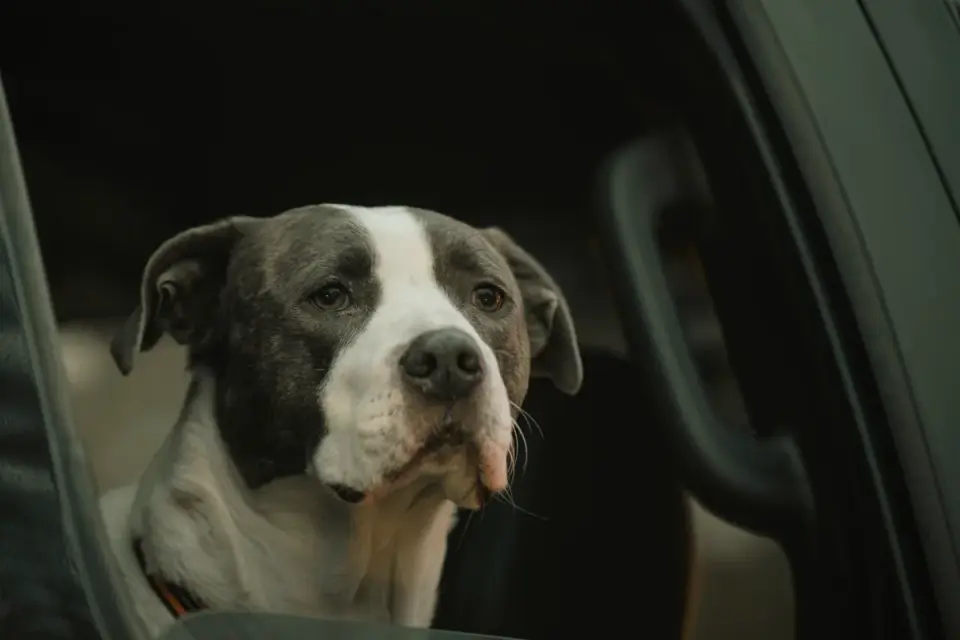
Fit, grip, and fold matter more than fancy features
Most returns happen for three fixable reasons, so measure before you buy. Park where you normally load, measure ground to bumper or seat edge, and compare that height to the top step height. For many SUVs that lift is 24 to 30 inches, which usually means three or four wide steps with a gentle rise work better than two steep ones.
Check grip next. Look for a textured, non-slip tread that stays put when paws are damp, plus rubber feet that do not slide on pavement. Then check the fold for your real life. Can you collapse it with one hand while holding a leash? Will it lie flat behind the seat without rattling? If it is awkward to deploy, you will stop using it.
Training makes or breaks the first week. Start flat on the ground with treats for each step, then raise to a curb, then to the car with the engine off. Keep sessions short and low-stress, and let a nervous dog sniff and back away without pressure. You want calm repetitions, not a wrestling match at the trailhead.
Where I land if your dog hesitates to jump
I recommend packing foldable stairs for any dog that pauses, aborts a jump, or needs help into the car. You do not need a diagnosis to justify kindness, and you can always refine the plan with your vet if stiffness persists.
The skeptical question I hear is fair: will stairs make him weaker or lazier? Used this way, no. You are not removing walks or play. You are removing a handful of high, awkward jumps that offer little conditioning benefit and a real chance to slip. Keep his regular activity, keep his weight lean, and let the stairs handle the bumper.
They are not right for every dog. A dog with severe weakness, recent surgery, or panic on steps may do better with a ramp or assisted lift until your vet advises otherwise. And no portable step can fix a wobbly setup — if it flexes, slides, or feels narrow for his body, swap the design rather than coaxing him up it.
If your dog paused at the bumper on your last outing, what would change if the next entry felt easy?
Frequently asked questions
Do foldable dog stairs help older dogs get into the car?
They may help support easier entry by replacing one high jump with lower steps. If hesitation persists, ask your vet to check for joint discomfort, weakness, or other causes.
Are stairs or a ramp better for car use?
Many steady dogs do well with stairs when the rise is low and tread is non-slip. Dogs that panic on steps, feel unstable, or have significant weakness often handle a ramp better. Choose what your dog will use calmly and what fits your vehicle height.
Sources
- Arthritis in Dogs — VCA Hospitals