On this page
A cream long-haired miniature dachshund draws the eye first, with pale feathering on ears, chest, belly and tail over a low, long frame, yet living well with one depends on steady coat care and deliberate back protection rather than color alone.
The breed standard described by the American Kennel Club includes long-haired miniatures, with miniatures generally around 11 pounds and under, and that long underline of fringe is where tangles begin. From a neurology perspective, the same chondrodystrophic build that gives the dachshund its shape also predisposes the intervertebral discs to early degeneration, while gentle handling, healthy weight and controlled movement may help support spinal function alongside conventional veterinary care.
1. What the cream long coat is really like
Cream ranges from very pale ivory to a warmer golden cream, sometimes with shaded ears, and many owners report that puppy fluff gradually gave way to darker, coarser hair along his back. That change is expected texture maturation, not a flaw to scrub out, and harsh whitening shampoos will dry the feathering without changing genetics.
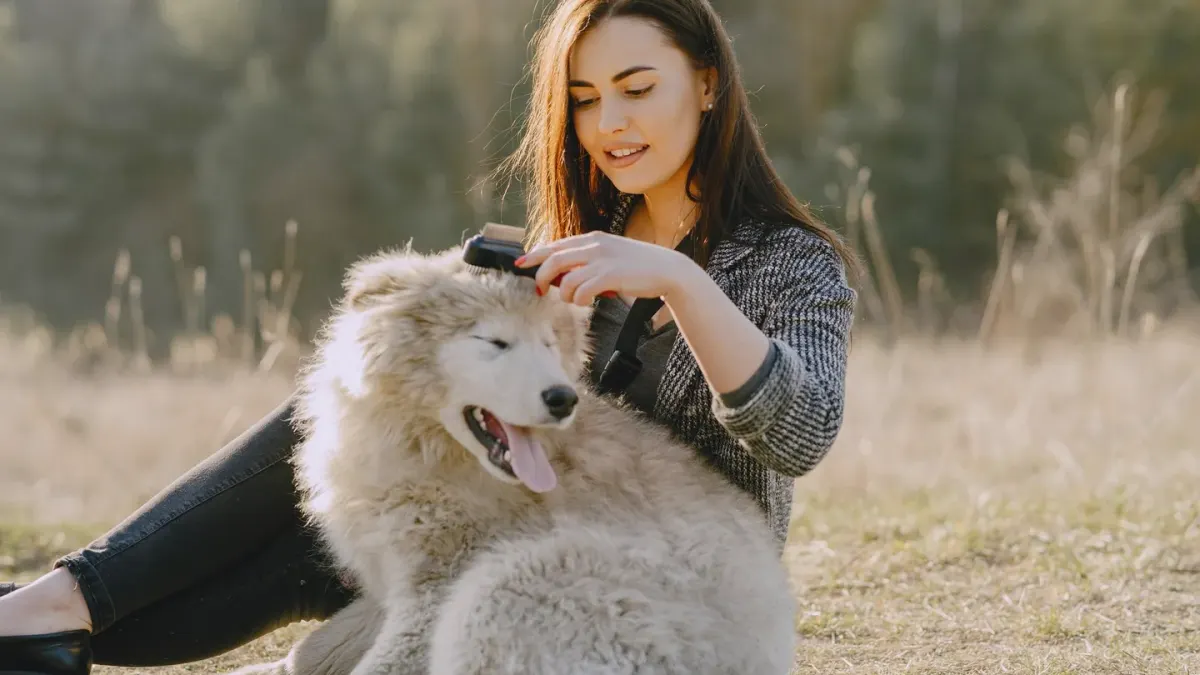
Expect moderate shedding year-round with seasonal heavier periods, plus dust, grass seeds and leaf bits caught in the skirt. Dogs with this much feathering often learn to accept brushing when sessions stay short, calm and paired with a food reward, which fits the familiar arc where my dog went from hiding at the sight of a brush to competing for a turn.

2. A weekly routine that prevents painful mats
Plan on thorough brushing three to four times per week, daily during heavy shedding or after hikes. Work in layers with a pin brush or slicker for the fringe and a steel comb to confirm you have reached the skin, because a comb that glides means you are done and a comb that snags means a tangle remains.
Focus on behind the ears, armpits, groin, under the collar and the backs of the thighs. Hold the base of the hair near the skin to reduce pulling, then brush outward, and trim only the neat edges around feet and sanitary areas rather than shaving the body. Guidance on Essential Dog Grooming Tools for Beginners can help you assemble a simple kit before you need it, and a review of Grooming Needs by Dog Size: Small vs Large Breeds explains why small, low-coated breeds still need full-body access.
Bathe every four to six weeks or when dirty, using lukewarm water and a mild dog shampoo, then rinse completely and dry the fringe straight while brushing lightly to limit new tangles. If your dog fears running water, a damp cloth wipe for the face and feet between baths often keeps odor down, and owners choosing products for itchy or flaky skin can use Best Dog Shampoo for Sensitive Skin: What Actually Matters on the Label to read labels with care.
3. Protecting the long back every day
Back protection is daily husbandry rather than a single device.
Keep weight lean so you can feel ribs easily, use ramps or steps beside favorite furniture, lift with one hand under the chest and one supporting the hindquarters, and use a well-fitted harness rather than neck pressure on walks.
An integrative aside fits here without overstating effect. Acupuncture, Tui-na-informed handling and balanced food therapy are sometimes used in neurology rehabilitation to support comfort and mobility after the primary diagnosis and treatment plan are set, and they may help support relaxation around gentle care when the veterinary team finds them appropriate for the individual patient.
4. Temperament, training and family fit
Most miniature longhairs are affectionate, playful and closely bonded, often following one person from room to room, with a watchful bark inherited from their hunting background. Early positive socialization, short training sessions and puzzle feeding help channel curiosity without encouraging repeated stair sprints or sofa leaps.
This variety can suit apartments when barking is trained early and daily walks plus sniff time are consistent. Households with very young children who may lift by the front legs, homes with many unguarded stairs, and families unable to commit to brushing and At-Home Grooming vs a Professional Groomer: How to Split the Job visits every six to eight weeks will find a smoother-coated breed easier to maintain.
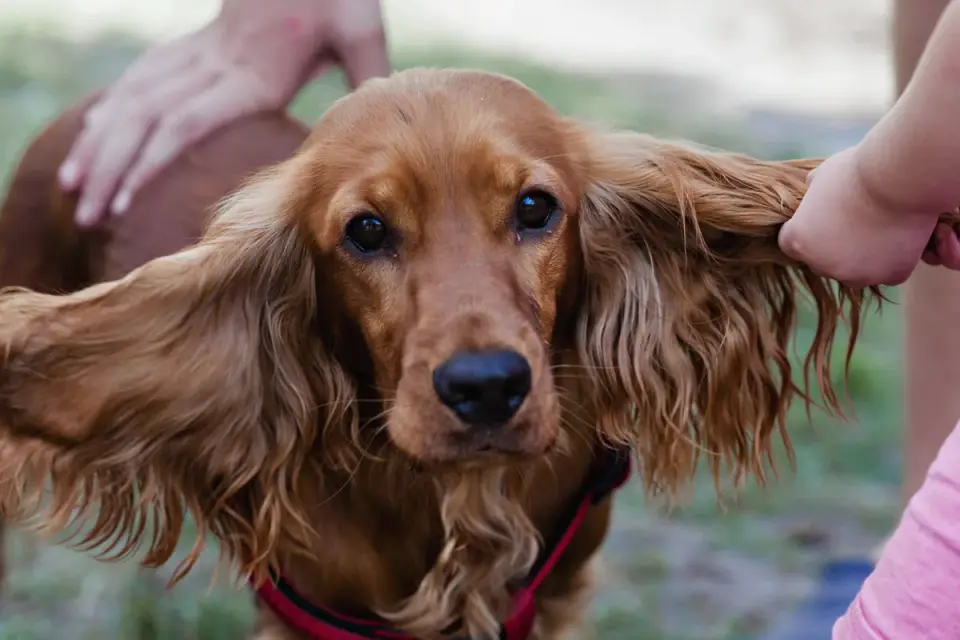
Choose a breeder who screens for temperament and patellar and spinal history, keeps puppies raised underfoot, and welcomes questions about coat care, or meet long-haired miniature dachshunds through breed rescue to see adult coat and character directly. Individual dogs vary widely, so let the dog in front of you, and your own veterinarian, guide the final decision.
Frequently asked questions
Do cream mini long-haired dachshunds shed a lot?
Expect moderate year-round shedding with heavier seasonal periods, plus debris caught in the feathering. Brushing three to four times weekly and combing to the skin keeps loose hair and tangles down.
How often should I bathe a long-haired miniature dachshund?
Every four to six weeks or when dirty is enough for most pets. Use a mild dog shampoo, rinse fully, then dry while brushing the fringe lightly to prevent mats.
How do I protect my dachshund's back at home?
Keep weight lean, use ramps, lift with chest and hindquarter support, and avoid repeated jumps off furniture. Call your veterinarian promptly for back pain, wobbliness, or weakness in the hind legs.
Sources
- Dachshund Dog Breed Information — American Kennel Club