Some common health problems in Basset Hounds ease with steady weight control, ear care, and early veterinary checks.
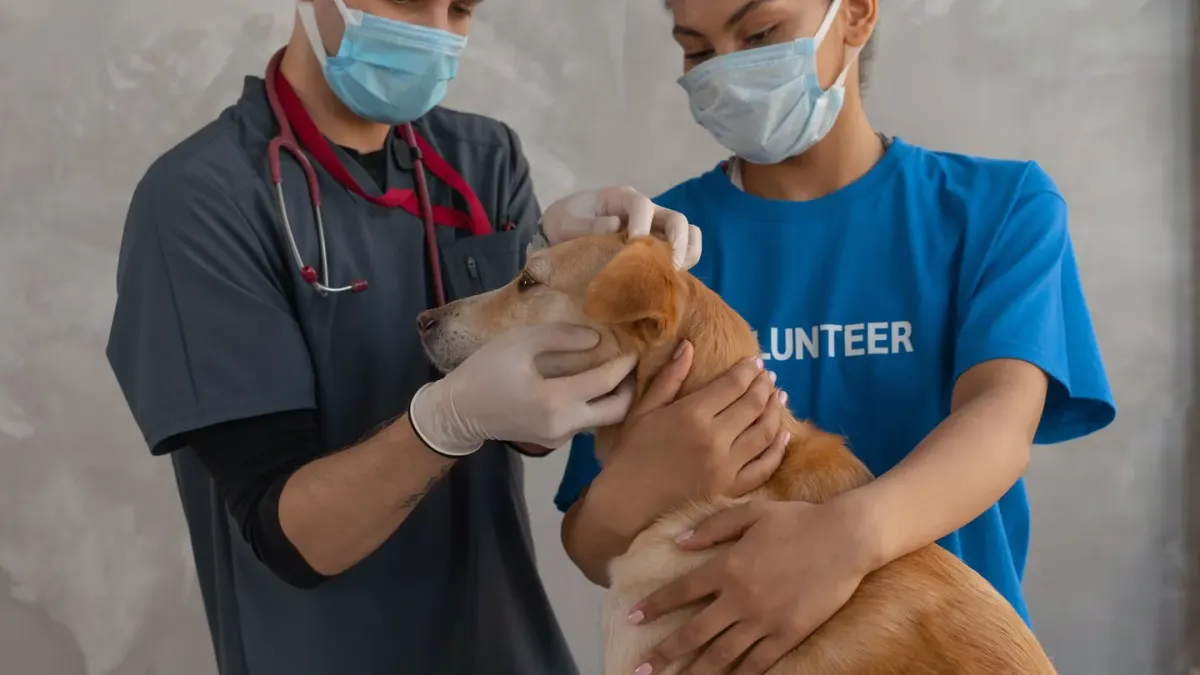
Basset Hounds are built for scent work, not for speed, and that long, low build predicts much of what goes wrong. Short legs, heavy bone, long ears, and loose skin make them charming and also prone to ear infections, skin fold irritation, obesity, joint strain, disc disease, bloat, and eye problems.
Planning for those risks does not guarantee a healthy dog — individual dogs vary widely — but it prevents much of the suffering I see in practice.
Why their shape sets the health pattern
A Basset carries a lot of weight on short limbs and a long spine. Extra pounds therefore matter more than they would in a leggy breed, accelerating elbow and hip arthritis and increasing load on intervertebral discs.
Weight control, measured meals, and low-impact exercise such as leash walks and scent games are the foundation. For help matching exercise and grooming to your household, see our Dog Breed Care Guide and, if space is tight, Best Dog Breeds for Apartment Living.
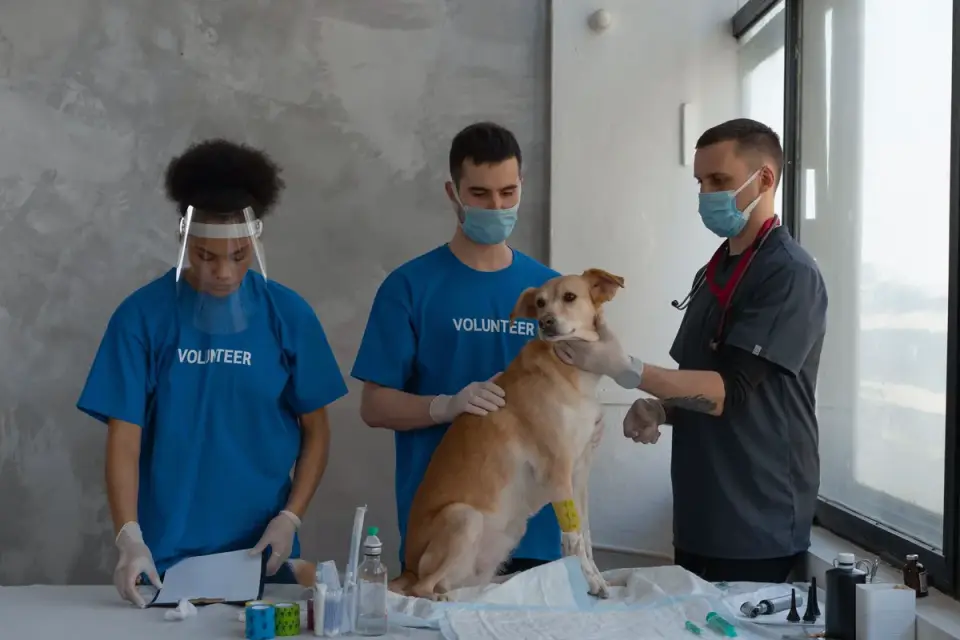
Ears, skin folds, and paws need routine care
describes how otitis externa develops and why recurrent cases need a veterinary exam rather than repeated home cleaning alone.
Check ears weekly, clean only as your veterinarian directs, and schedule a visit for pain, swelling, or persistent odor. The same moisture-trapping affects lip folds, neck skin, and paws, so keep folds dry, manage allergies early, and treat interdigital cysts promptly before limping becomes chronic.
Weight, joints, and the long back
notes that excess body condition worsens orthopedic disease and reduces lifespan, which is why I trust body-condition scoring over the scale alone.
Keep Bassets lean, use ramps for cars and couches, avoid repetitive stairs and jumping, and ask about joint-support plans and pain scoring at annual exams. Nutritional products marketed for joints or heart provide structure/function support at best — that support is distinct from cardiac therapy or arthritis therapy, and it does not replace weight control, prescription medication, or surgery when indicated.
Back pain, reluctance to jump, crying when picked up, wobbliness, or hind-limb weakness can signal intervertebral disc disease. The American College of Veterinary Surgeons outlines how disc degeneration and herniation cause pain or neurologic deficits, and why crate rest alone is not sufficient for moderate to severe cases.
Bloat, eyes, and when to call urgently
describes restlessness, unproductive retching, drooling, and a distended abdomen as emergency signs requiring immediate care.
Feed measured meals, avoid one large meal per day, limit vigorous exercise around meals, and discuss prophylactic gastropexy if your dog needs abdominal surgery. That same anxious early period — when toys and distractions failed, we briefly stepped away after putting our biting puppy in his pen — is a good time to practice calm crate and mealtime routines, not to dismiss retching as excitement.
Eyes also deserve attention. Droopy lower lids predispose to ectropion, entropion, cherry eye, and secondary conjunctivitis, with tearing, squinting, or redness as early clues. Do not wait on a painful or cloudy eye.
Ask breeders about hip, elbow, eye, and thrombopathia screening, keep vaccinations and parasite prevention current, and schedule senior exams twice yearly once mobility, vision, or stamina slips. Owners who plan for ears, weight, back, stomach, and eyes catch problems while they are still treatable.
Frequently asked questions
Do Basset Hounds have a lot of ear infections?
Yes. Long ears trap moisture and debris, so check weekly and see your vet promptly for odor, discharge, head shaking, or pain.
Are Basset Hounds prone to back problems?
Yes. Their long spine and added weight raise risk for intervertebral disc disease. Keep them lean, use ramps, and seek care for back pain, reluctance to jump, or hind-limb weakness.
How do I lower bloat risk in a Basset Hound?
Feed measured meals, avoid one large daily meal, rest around mealtimes, and know emergency signs — restlessness, unproductive retching, drooling, and belly swelling need immediate veterinary care.
Sources
- Intervertebral Disc Disease — American College of Veterinary Surgeons