Choose calm dog breeds by watching settled adult behavior after daily exercise, not puppy first impressions.

Sunday quiet tells the story. Coffee steams, the leash hangs by the door, and the dog sighs onto a rug instead of pacing the windows.
That settled picture is what most people mean by calm dog breeds. Use this quick checklist first, then read how it plays out in grown dogs:
- Adult baseline: look for a dog that rests easily indoors after a normal walk and play session
- Recovery: look for a dog that notices a doorbell or squirrel, then settles again within minutes
- Exercise match: look for needs you can meet daily, not just on weekends
- Handling ease: look for loose body language with grooming, guests, and vet exams
- House rhythm: look for a breed whose noise level, size, and grooming fit your space and schedule
Calmness shows up late. Puppies of almost every breed are restless, mouthy, and easily aroused because developing brains are wired for exploration. The steadier pattern usually emerges between two and three years, when social maturity, training history, and daily exercise shape how the nervous system responds to novelty.
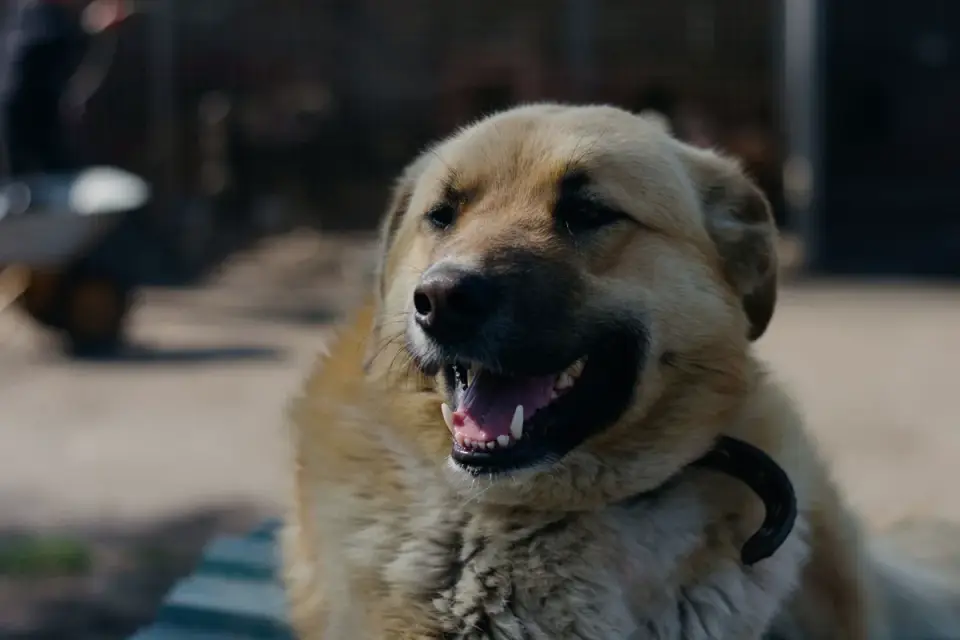
Look for rest, then recovery
A truly calm adult can do two things. It can rest without constant direction, and it can return to rest after excitement.
In practice, vets often see the difference at home rather than in the exam room. Frannie, a 5-year-old spayed female Labrador Retriever mix living with her owner Benjamin in Pompano Beach, Florida, still pulls toward the beach path for the first half-mile. Back home after a 40-minute walk and fetch, she drinks, circles once, and sleeps through afternoon chores. That arc matters more than any breed label.
Breeds often described as easygoing, such as the Labrador Retriever, tend to show friendly, outgoing adult behavior when exercise and training needs are met, according to the American Kennel Club. Food-motivated learning may help support that steadiness, since consistent reward-based training gives an active brain a job and a clear off switch. Structure and routine may help support calmer evenings in the same way regular meals and sleep may help support other body rhythms.
Excitement itself is not the enemy.
Daily exercise sets the thermostat
Many peaceful-house breeds are not low-energy in a strict sense. They are moderate-energy dogs with a reliable settle response once their bodies have moved.
The American Veterinary Medical Association encourages families to match breed energy, size, and care needs to real life before choosing a puppy. That advice fits calmness well. A Basset Hound may need shorter sniffing walks and joint-aware weight control. A retriever or spaniel may need a longer walk plus retrieving play. A giant companion breed may need less mileage but more space to rest and careful heat management.
A short daily formula works for most homes: a morning walk, a midday sniff or training break, and an evening wind-down. Dogs that get that pattern often rest better than dogs that get one long weekend hike and little movement all week.
If you live in a smaller space, compare notes with Best Dog Breeds for Apartment Living and think less about size and more about noise, exercise access, and alone-time tolerance.
Breeds people often find settled indoors
Individual dogs vary widely, and no breed guarantees calm behavior. With that limit in mind, these types often come up when owners want a quieter household rhythm:
- Basset Hound and other easygoing scent hounds. Slow-paced indoors, social with family, vocal when bored. Learn more about nose-driven habits in Which Hound Dog Breeds Fit Your Home and Pace?.
- Cavalier King Charles Spaniel, Shih Tzu, and similar companion breeds. Bred for closeness, often content with moderate walks and lap time. Coat care is the main trade-off.
- Labrador Retriever and Golden Retriever, as adults. Friendly and trainable, calm indoors only when given real daily exercise and mental work.
- Greyhound and Whippet. Sprinters outdoors, famous couch rests indoors. Need soft bedding, leash security, and cold-weather protection.
- Great Dane and Bernese Mountain Dog types. Often slow and affectionate at home, but size changes everything about space, food cost, and lifespan planning.
Coat and allergy needs can shift the list quickly. If shedding matters in your house, browse Which Hypoallergenic Dog Breeds Shed Less? before falling for a fluffy face.
Training guidance from VCA Hospitals centers on the same point: calm adult behavior grows from predictable routines, socialization, and reinforcement for settling on a mat or bed.
How to judge an adult dog in person
Meet dogs over two years old when you can. Shelters and breed rescues often have that age group, and what you see is closer to what you will live with.
Watch for thirty minutes. Does the dog explore, then lie down. Does it take treats gently. Does it startle and recover. Ask about daily walks, barking when alone, behavior with guests, and what a normal evening looks like. A dog that needs two hours of running to be livable indoors is not a calm fit for a quiet apartment, even if the breed sounds calm on paper.
Cammie, a 6-year-old spayed female Basset Hound mix living with owner Jill in San Bernardino, California, offers a useful contrast. She snores through laundry folding and greets visitors with a slow tail wag, yet she bayed for three weeks when left alone for six-hour stretches without a midday walk. A shorter morning sniff walk plus a frozen food puzzle shortened the vocal periods to a few minutes. The lesson was household fit, not breed failure.
Health and comfort shape behavior too. Pain, itchy skin, poor sleep, thyroid shifts, and cognitive change in seniors can all raise restlessness. Point any new anxiety, pacing at night, or loss of house training to your own veterinarian promptly, and keep expectations in structure-and-function terms rather than cure terms.
Frequently asked questions
Are calm dog breeds calm as puppies?
Rarely. Most puppies are active and mouthy. Look at parents, meet adults of the same breed or mix, and ask rescues about behavior after age two.
What is the calmest choice for a small apartment?
Focus on adult settle behavior, barking level, and exercise access rather than size alone. Companion breeds and retired racing Greyhounds often rest well indoors when walks are consistent.
How much exercise does a calm adult dog still need?
Most need a daily walk plus sniffing, play, or training. Ask the shelter or breeder what that specific dog gets now, then match it for at least two weeks before changing the routine.
Sources
- Labrador Retriever Dog Breed Information — American Kennel Club
- Selecting a Pet for Your Family — American Veterinary Medical Association
- Dog Behavior and Training — VCA Hospitals