On this page
Check the comb first, then watch what happens next. No fleas, no dirt, yet your dog is chewing paws at midnight or rubbing cheeks along the couch. Start a simple 7-day itch log before you change anything. Write down where your dog scratches, what time it happens, and what you just did — walk, bath, meal, nap on the laundry pile. Patterns show up fast on paper.
Rule out the look-alikes before you call it allergies
Fleas get the blame, but they are not the only parasites that itch. Mites, lice, and ringworm can cause scratching with clean-looking skin at first. Part the coat in four spots — behind ears, armpits, belly, and base of tail. Look for flakes, red dots, scabs, odor, or thinning hair and take a clear phone photo in daylight.
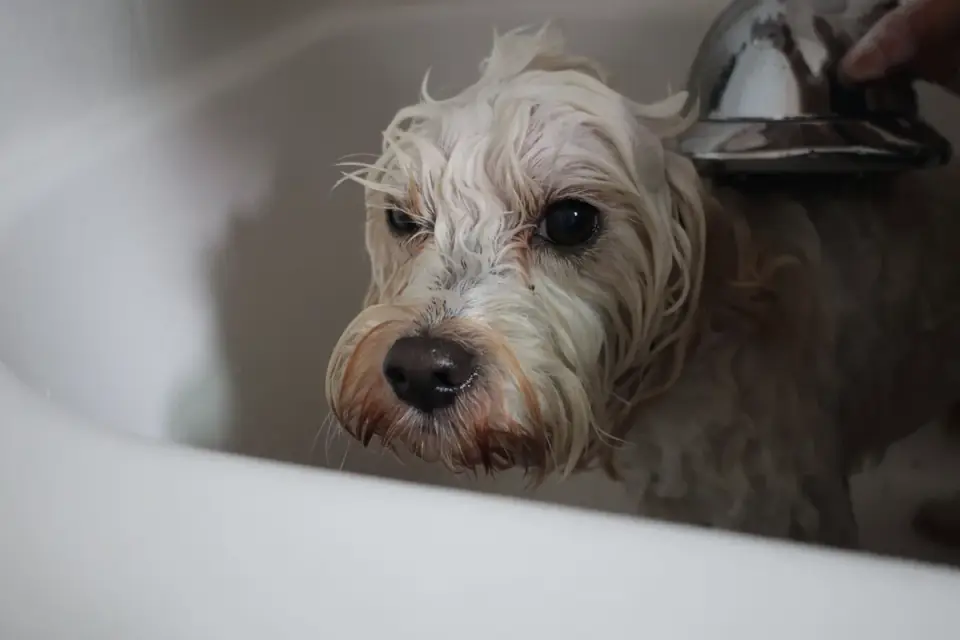
Bathe less than you think for now. Wash with lukewarm water and a mild, fragrance-free dog shampoo, rinse twice, and dry fully to the skin. Damp undercoat traps irritation, especially in thick-coated breeds.
For grounded next steps on shampoo choice, see Best Dog Shampoo for Sensitive Skin: What Actually Matters on the Label.
Skin scrapes and tape tests at your vet clinic settle this quickly. The Merck Veterinary Manual notes that pruritus in dogs has many causes beyond fleas, which is why a stepwise check matters more than guessing.
When the itch points to allergies
If ears and paws lead the scratching, think allergy. Dogs with environmental allergies often lick front paws, rub the face, and get red ear flaps. Dogs with food sensitivity often add belly redness, soft stool, or repeat ear infections.
Do this order for two weeks. Vacuum bedding on hot, wash blankets weekly, wipe paws after grass walks, and keep nails short so scratching does less damage. Feed one consistent diet with no new treats or table scraps.
The VCA Hospitals allergy overview describes how flea, food, and environmental triggers overlap, so track which body areas improve when you control dust, pollen exposure, and diet changes one at a time.
Tony noticed this with Deegan, his 3-year-old neutered male Alaskan Malamute in Coral Springs, Florida. Deegan started night-time paw chewing for about 10 days after park walks, with pink skin between the toes but no fleas on a flea comb. Paw wiping plus washed bedding cut the licking in half, which pointed toward environmental triggers rather than dry coat alone.
Allergy testing and elimination diets help, but they take weeks. Ask your vet what trial length fits your dog before you repeat or stack new remedies.
Dry skin, missed rinsing, and coat care gaps
Winter heat, frequent baths, hot water, and leftover shampoo leave skin tight and flaky. Brush first, then bathe, then rinse longer than feels necessary.
Brush 5 to 10 minutes, three times per week for medium coats and daily during shed season for double coats. Work in layers down to the skin, then check the brush for dandruff-like flakes or greasy clumps.
Prevention supports comfort, but the evidence for any single supplement fixing itch is thin.
Keep home grooming calm and short, and hand off matted or painful spots early. This split helps many families: At-Home Grooming vs a Professional Groomer: How to Split the Job. For a starter kit that keeps brushing gentle, see Essential Dog Grooming Tools for Beginners.
Dry air matters. Run a humidifier where your dog sleeps, offer fresh water, and feed a complete balanced diet rather than adding oils on your own. Too much added fat can upset stomachs without helping skin.
Why some breeds itch more than others
Coat type and skin folds change the odds. Bulldogs, Pugs, and Shar-Peis trap moisture in folds. West Highland White Terriers, French Bulldogs, Labrador Retrievers, and Golden Retrievers show allergies more often in practice. Huskies and Malamutes pack dense undercoat that mats and holds humidity if not dried fully.
That does not predict your dog. Individual dogs vary widely, even within one litter.
Match care to the breed in front of you. Short-coated itchy breeds need paw wipes and ear checks. Wrinkle breeds need fold drying. Heavy-coated breeds need line brushing and full drying after baths or swims.
Vets often see owners bathe an itchy double-coated dog more often, which dries the skin further. In practice, less frequent baths with thorough brushing between baths usually calms flaking within 2 to 3 weeks.
What I want you to do this week
Keep the routine boring on purpose. Same food, same detergent-free bedding wash, short lukewarm rinse only if dirty, regular brushing, and your 7-day log.
Call your vet promptly for open sores, strong odor, head shaking, hair loss patches, swollen ear flaps, or itch that keeps your dog awake. Those signs need hands-on diagnosis, not another shampoo swap.
My take is simple: control environment and coat care first, because that supports skin without adding risk. That advice is the wrong call when infection, mites, or intense pain drive the itch — then home steps wait and diagnosis comes first.
Bring the log and photos to the visit. Dates, body map, diet list, and bath count answer half the questions before the exam starts.
Frequently asked questions
Why is my dog itching so much but has no fleas?
Common reasons include environmental allergies, food sensitivity, dry skin, missed shampoo residue, mites, or skin infection. Note where your dog itches and for how long, then ask your vet for skin testing if basic coat care does not help in 2 to 3 weeks.
Can I bathe my itchy dog more often?
More baths often dry the skin further. Rinse only when dirty with lukewarm water and mild fragrance-free dog shampoo, rinse twice, dry to the skin, and brush regularly between baths.
Sources
- Itching (Pruritus) in Dogs — Merck Veterinary Manual
- Allergy - General in Dogs — VCA Hospitals