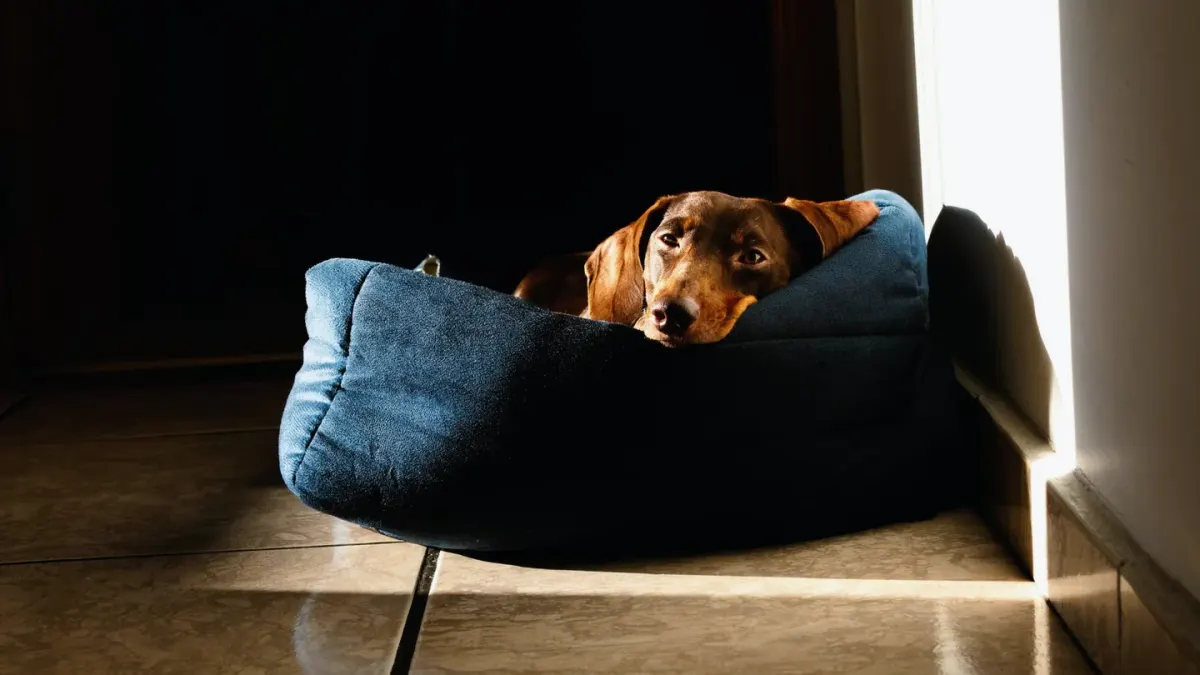
You unpack the cooler, fill the familiar bowl with the usual kibble, and your dog sniffs it and walks to the door. My expectation first for clients is this: a missed meal or two on the road is common, and calm consistency may help support normal appetite more than a frantic menu change.
I saw this with a composite case I use for counseling — a 4-year-old, 48-pound spayed Lab mix on her first cabin weekend, three hours from home. She drank water on arrival, played briefly, then refused dinner and breakfast while pacing between windows and whining at night. Her owner worried the new rental had exposed her to something toxic. What changed the picture was the pattern: normal energy, normal thirst, no vomiting or diarrhea, just watchfulness. We kept her feeding spot quiet, kept walks short and predictable, and offered the regular food for 15 minutes before calmly picking it up. By day 3 she ate half her dinner, then a full breakfast the next morning.
Start with safety and stress, not new food
Travel changes the baseline. New smells, night noises, a different water taste, a late arrival, car fatigue, and separation tension can blunt hunger for a day. That is why I ask owners to check behavior before appetite.
Offer water first, give a short sniff walk, and let the dog settle in one low-traffic corner. Keep meal times close to home times. Bring the usual food, the usual bowl, and a worn T-shirt that smells like home if that seems to settle them. The AVMA travel guidance emphasizes familiar routine, identification, and planning rest and water breaks, which lines up with what I see — dogs eat better when the day feels predictable.
Keep handling low-stress. Sit nearby but do not hover, coax, or hand-feed for an hour. Set the food down for 15 to 20 minutes, then remove it without scolding and try again at the next meal.
Appetite often returns on its own.
Keep the diet boring on purpose
The strongest counterargument I hear is understandable: just add something tastier and they will eat. Warm water, a spoon of canned version of the same diet, or a small topper may help support interest, and that is where I usually start.
What I reject is rebuilding the whole menu on night one with rotisserie chicken, cheese, hot dogs, and drive-through scraps. Rich, sudden swaps are the fastest way to turn skipped meals into vomiting or diarrhea on a trip.
I learned that tradeoff from another composite scenario — a 6-year-old, 22-pound beagle mix at a lake house who skipped two dinners. His owner, worried and sleep-deprived, offered chicken skins, scrambled eggs with butter, then a gas-station hot dog by day 2. He finally ate, then vomited twice overnight and refused everything the next morning. We went back to small, bland, familiar portions, spaced out, with water available and no more novel fats. His gut settled, but the trip lost two days to a problem the original skipped meals had not caused. Rich foods can also mask the pattern your vet needs to hear.
If you use a topper, keep it to about a tablespoon for a medium dog, keep the base diet the same, and stop if stool softens. Pack enough of the home diet for an extra two days, plus any regular medications and a few familiar treats. If you flew or crossed state lines, keep vaccine and health records on your phone, as federal pet-travel resources from USDA APHIS remind owners that requirements vary by destination and transport mode.
For longer boarding versus travel decisions, owners comparing routines may find our guide on Boarding Kennel vs Pet Sitter: Which Is Right for Your Dog? and In-Home Sitter vs. Drop-In Visits vs. Doggy Daycare: How to Choose useful, and fliers should skim How to Fly With a Dog: The Complete Guide before adding food changes to flight stress.
When waiting should become a call
Most healthy adult dogs rebound within 24 to 48 hours once they sleep and settle. Track what matters: water intake, energy, vomiting, diarrhea, drool, pacing, or belly pain. Note medications given, treats offered, and anything the dog could have scavenged.
Guidance on loss of appetite from VCA Hospitals lists stress and environmental change among causes, but also flags illness, pain, nausea, and obstruction — which is why timeline plus other signs drives my advice. Call your regular vet or a local clinic sooner if your dog refuses water, vomits repeatedly, has bloody stool, strains to defecate, pants with a painful belly, eats a foreign object, or seems lethargic rather than just watchful.
The edge case that changes my threshold is the small, very young, senior, or medically managed dog. I counsel with one composite in mind — a 9-year-old, 9-pound senior mix with early kidney disease, three weeks into a housesit, who went from picky on day 1 to completely uninterested by day 2 with less water intake. For a robust adult that might be watch-and-wait with a morning recheck. For her, with low reserves and daily medication that needed food, we called that evening rather than waiting out another missed breakfast. Puppies, toy breeds, diabetic dogs, and dogs on drugs that require food should not go as long without calories or water. Individual dogs vary widely, so when in doubt, call.
My landing point stays the same: protect routine, protect the gut, and let hunger catch up. Offer the familiar food quietly, keep days predictable, avoid rich fixes, and escalate on water refusal, GI signs, pain, or a vulnerable dog. You are not teaching your dog to be stubborn. You are giving a stressed traveler a chance to feel safe enough to eat.
Frequently asked questions
How long can a dog skip meals while traveling before I worry?
Many healthy adult dogs skip 1 to 2 meals with stress or schedule changes and then rebound. Worry sooner if water is refused, vomiting or diarrhea starts, energy drops, or a puppy, toy breed, senior, or medically managed dog misses food.
Should I bring a new food to tempt my dog on a trip?
Bring the home diet first. A small amount of warm water or the canned version of the same food is gentler than rich scraps, which can cause GI upset away from your regular vet.
How do I offer food without creating pressure?
Feed in a quiet corner at usual times, set food down for 15 to 20 minutes, sit nearby without coaxing, then calmly remove it and retry at the next meal.
Sources
- Traveling with Your Pet — AVMA
- Anorexia in Dogs — VCA Hospitals
- Pet Travel — USDA APHIS