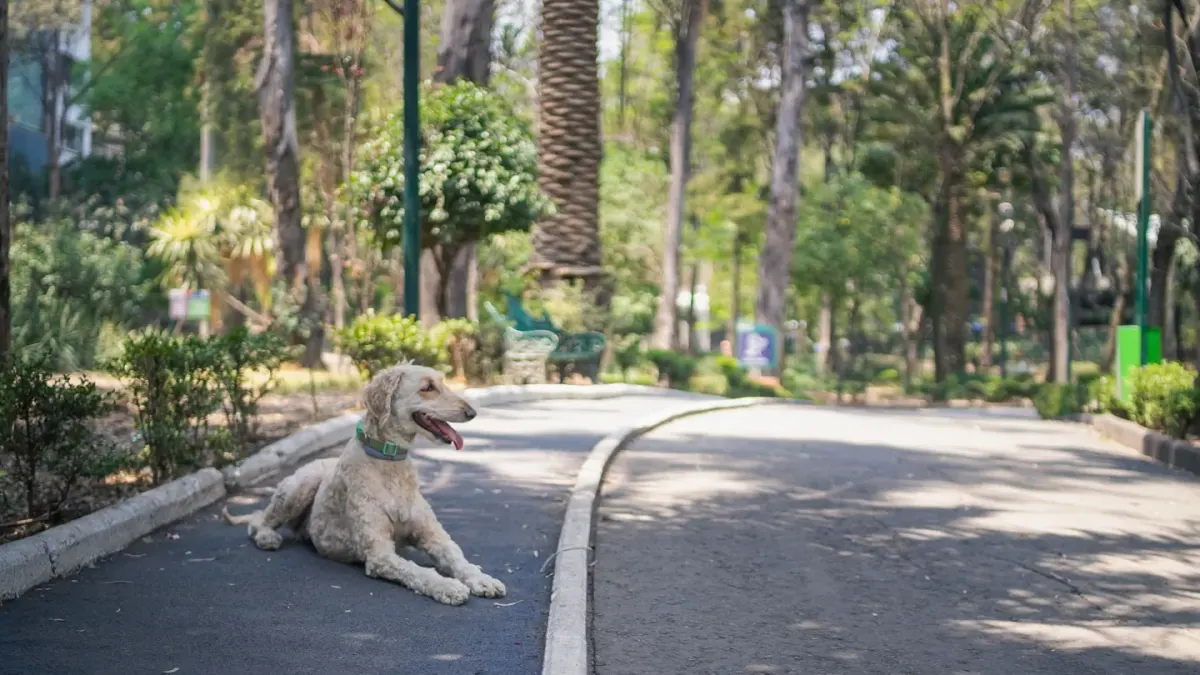
A 13-year-old cattle-dog mix, 28 kilograms, came in because his half-mile evening loop had stretched from 15 minutes to 26 minutes over two months. His owner had read about resveratrol for aging and wanted to try it. She brought the bottle, the ingredient panel, and a list of his medications. That preparation changed the visit. We could triage what mattered — his stiff hips, his mild kidney changes, and whether any supplement made sense — instead of guessing from a label.
Ask about fit before you ask about buying:
- Does resveratrol fit this dog, given age, weight, liver and kidney labs, and current drugs
- What product form and dose range, if any, would be defensible, and what to avoid in human capsules
- What interactions and side effects to watch for, especially with blood thinners, NSAIDs, and liver-metabolized drugs
- What baseline to record and when to recheck, so you can stop what does not help
- What daily care still matters more than any antioxidant
Bring the full medication and supplement list
Your vet cannot assess risk without the complete picture. Bring every chew, capsule, powder, and prescription, with milligrams per serving and how many days per week you give it. Include NSAIDs, behavior drugs, seizure drugs, thyroid medication, and any mushroom or polyherb blends. Resveratrol is studied largely for cellular and antioxidant pathways, not as a treatment for arthritis or cognitive decline. The support-versus-treatment line matters here. A supplement may support normal cellular health. It does not stabilize a collapsing hind end or treat disease.
If mobility is the main concern, describe it in measurable terms. Note stairs avoided, distance shortened, or nights restless. That record pairs well with structured quality-of-life tracking like How to Assess Your Senior Dog’s Quality of Life. If weakness is new or asymmetric, ask whether the pattern looks urgent using Dog’s Back Legs Giving Out: Sorting an Emergency From a Slow Decline.
Ask if the evidence fits a dog this age
Put the evidence before the reassurance. Most resveratrol longevity data come from laboratory models, not senior dogs. One recent example is instructive. In fruit flies, “Embryonic exposure to ER50 accelerated pupation and adult emergence but shortened adult lifespan.” That finding comes from Phytomedicine in the paper “Resveratrol exerts stage- and sex-specific anti-aging and multigenerational effects via epigenetic and metabolic pathways in Drosophila” (2026). Timing, dose, and life stage changed the direction of effect.
That does not translate to a prescription for dogs. It does support a cautious question: is there any controlled canine data for this ingredient at this dose in an older animal. The National Center for Complementary and Integrative Health notes that resveratrol has been studied for various age-related processes in humans, with limited high-quality evidence and questions about bioavailability. Dogs differ in metabolism and sensitivity. Ask your vet what canine-specific safety margin exists, and what unknowns remain.
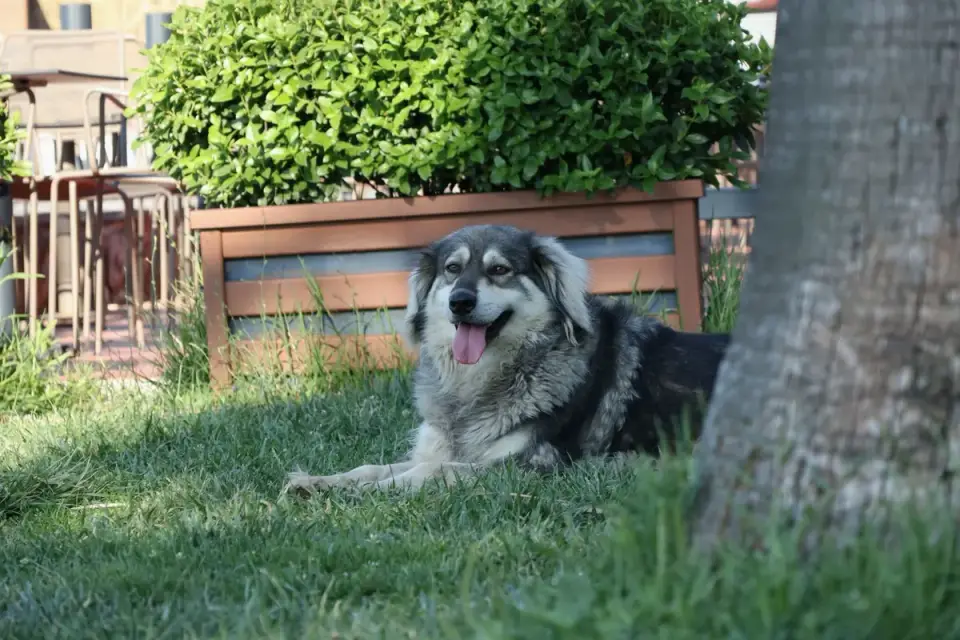
One owner I spoke with had ordered a human resveratrol capsule online and split it into food for 14 nights. The dog ate less on day five, vomited twice on day nine, and skipped the morning walk on day twelve. The label listed 250 mg resveratrol plus a proprietary red-wine blend with no per-ingredient amounts. We stopped the product, checked labs, and restarted the NSAID washout clock. The tradeoff was clear. An unverified dose with hidden co-ingredients erased any chance to judge whether the base diet, weight plan, and joint support described in Dog Muscle Supplements: What’s Backed by Evidence and What’s Just a Good Label were working.
Ask about dose form, purity, and what to avoid
Do not ask for a universal milligram-per-kilogram number. There is no established canine dose. Ask instead what form avoids common hazards. Human capsules may contain xylitol, high-dose vitamin D, grape-seed blends, alcohol-based tinctures, or added quercetin and curcumin that complicate the picture. Ask about third-party testing, a certificate of analysis, exact resveratrol content in milligrams, and whether the product is trans-resveratrol or a blend.
Ask how food affects tolerance. Some polyphenols cause nausea on an empty stomach. Ask whether to give with a small meal, and what gastrointestinal signs should trigger stopping. Vomiting, diarrhea, reduced appetite, or dark stools deserve a call. Ask about liver monitoring if your dog takes drugs with narrow margins or has prior liver enzyme elevations.
Ask about interactions and anesthesia plans
This is the question owners skip. Ask whether resveratrol could affect platelets or interact with NSAIDs, anticoagulants, or sedatives. Ask whether to withhold it before dental work or surgery. Bring the anesthetic history if the dog coughs, tires fast, or takes cardiac drugs. Evidence first means naming the gap. Canine interaction studies are sparse. Your vet will weigh theoretical risk against your dog’s drug list and procedure schedule.
A 9-year-old beagle weighing 11 kilograms showed where standard advice has to bend. She was stable on phenobarbital for seizures, with liver values at the upper edge of normal. Her owner wanted resveratrol for general aging. We did not add it. The liver already carried a daily drug load, and adding a poorly characterized polyphenol offered no measurable target. We kept the seizure log, kept weight at 11 kilograms, and scheduled lab recheck in 21 days. The owner tracked nighttime pacing instead. If cognition later slipped, we would revisit non-drug structure first.
Ask what to measure and when to stop
Define success before you start. Pick two observable markers. Examples include time to complete a set route, number of assisted stair climbs per day, or appetite and stool quality. Set a recheck date. Four to six weeks is a practical window for tolerance, not proof of anti-aging effect. Ask what labs, if any, to repeat. Ask what would count as a reason to stop. No change is information. Stop and redirect effort to weight, strength, sleep, and pain control.
Individual dogs vary widely. Breed, size, kidney function, and concurrent disease shift the balance. A lean senior with controlled pain may tolerate a trial differently than a frail senior on five prescriptions.
Frequently asked questions
Should I bring a resveratrol product to the appointment?
Yes. Bring the exact package with milligrams per serving, lot number, and all other supplements and prescriptions so the vet can check for overlap and hidden ingredients.
What is the most important safety question for a senior dog?
Ask how resveratrol fits with current drugs and liver or kidney disease, whether to withhold it before procedures, and what side effects should trigger stopping.