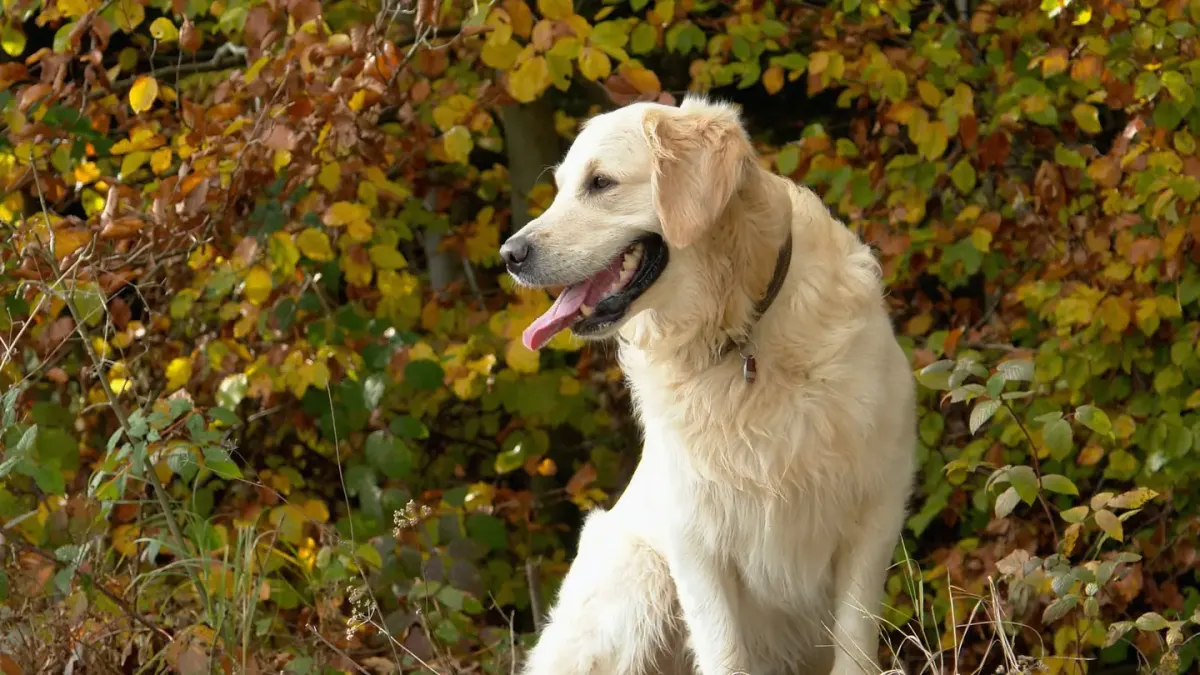
A five-month-old Border Collie mix came to a farm call with me in spirit, through her owner’s story: brilliant down-stay on the rug, completely deaf to the same word at the pasture gate. She was 22 weeks old, had learned down in four days indoors, and lost it in four seconds when the goats trotted to the fence. Her owner worried she was being stubborn. I counsel the opposite expectation first — behavior is context-specific, and livestock change the context more than almost anything else.
Proofing does not mean repeating the cue louder near animals. It means rebuilding the same behavior under gradually increasing arousal so the dog’s brain can still access learning. When a dog spots movement, novelty, and odor together, sympathetic arousal rises, cortisol and adrenaline shift attention toward chase or vigilance, and previously learned prefrontal control gets harder to use. That is physiology, not disobedience. The American Veterinary Society of Animal Behavior emphasizes that humane, reward-based methods protect that learning state, while threat or punishment tends to raise stress and suppress the calm responses we want around stock.
Start Far Enough Away That Thinking Is Still Possible
Pick one cue to proof, usually recall or down. Find the distance where your dog notices livestock but can still eat, blink, and turn to you within two seconds. For many pet dogs that is 80 to 150 feet from a quiet fence line, not at the gate.
Work in short sets. I like three to five repetitions, then a movement break, which fits what we know about keeping training sessions short enough to tire the brain without flooding it. Pay for fast, voluntary check-ins. If your dog cannot disengage, you are too close, the stock is too active, or the session is too long. Increase distance, not pressure.
The second farm dog in my notes that spring was a very different picture: a 3-year-old Labrador, 78 pounds, steady on leash at home for months. His owner took him straight to lambing pens to “test” a stay, convinced a single correction would teach respect. Within 90 seconds the Lab was lunging, drooling, and ignoring cheese he normally loved. The owner saw defiance. I saw a failed approach built on flooding — too much intensity, no exit, and appetite loss as a clear stress signal. It took 11 days of working back at the far pasture corner before his down returned, and the setback was entirely preventable.
Add Movement, Sound, and Smell One Layer at a Time
Livestock are not one distraction. They are motion plus vocalization plus odor plus unpredictability. Proof one variable at a time.
Start with still animals at distance. Then add slow movement, such as one calm sheep being led past far away. Then add sound, then shorter distance. Keep your criteria preventive and plain: one calm repetition that may help support steady behavior around stock is worth more than ten frantic ones. The Merck Veterinary Manual frames training as building on normal canine communication and motivation, which is why reading loose body language, soft eyes, and easy turns matters more than perfect posture at this stage.
A common question is whether to use a long line or a fence between dog and stock. I use both. A secure fence protects welfare while you train, and a 20- to 30-foot long line gives you safety without constant leash pressure. If you need to haul on the line, the setup was too hard.
When the Usual Plan Has to Bend
Some dogs cannot work closer than the far field for weeks, and that is normal. A 14-month-old Australian Shepherd I followed last fall needed a different shape to the plan after two rushed sessions near cattle. We stopped going to the barn entirely for 18 nights and practiced recalls on a quiet trail instead, logging 24 short practice walks with zero livestock in sight. Her owner then returned to stock at twice the original distance and paid every spontaneous glance away from the fence. The bend was not permissive; it was strategic rest that let baseline behavior recover before reintroducing triggers slowly.
This is also where format matters. If you feel stuck, a private lesson on your property or a controlled farm setup often helps more than a busy group park, a point I explain in Group Classes vs. Private vs. Online Dog Training: What Actually Fits Your Dog’s Stage. Individual dogs vary widely in prey drive, fear, and past experience.
Keep records. Note distance, stock activity, latency to respond, and whether your dog took food. You will see patterns in a week. What evidence would change my recommendation? If controlled data showed that flooding or aversive pressure produced safer, more durable calm around livestock without raising fear or aggression risk, I would revise it. The current learning and welfare literature does not show that, which is why I stay with distance-graded, reward-based proofing.
What would a steady recall near stock give your daily routine back?
Frequently asked questions
How long does it take to proof a recall near livestock?
Expect weeks to months, not days. Most pet dogs need multiple short sessions per week at gradually decreasing distance before the cue holds around moving stock, and timelines vary with age, breed tendencies, and prior experience.
Should I ever correct my dog for chasing livestock?
Avoid punishment-based approaches around stock. They may suppress behavior in the moment while increasing fear, arousal, or aggression risk. Manage with fences and long lines, increase distance, and reward disengagement instead. Talk with your veterinarian or a qualified reward-based professional for an individual plan.
Sources
- Humane Dog Training Position Statement — American Veterinary Society of Animal Behavior