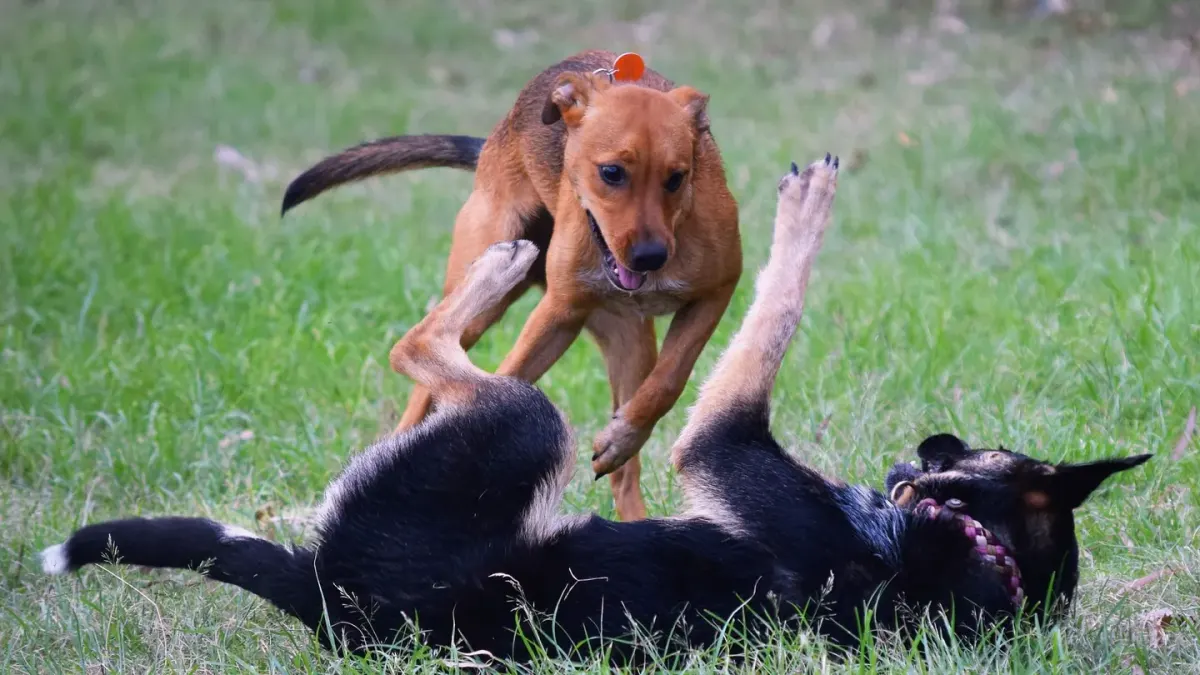
A young couple and their 9-month-old Beagle mix stood at a trailhead on a Saturday morning in May, staring at a fork where one sign pointed to a 2-mile lakeside loop and the other promised a 7-mile ridge summit. The dog was bouncing at the end of a retractable leash, already panting, with no water bowl packed and no recall if a squirrel crossed the path. They chose the lake loop, kept the leash short, stopped twice in the shade, and were back at the car in 75 minutes with a tired but happy puppy. That choice — short, shaded, and reversible — is the whole logic of a good first hike.
Planning well matters more than fitness. Dogs do not show fatigue the way people do, and excitement masks early heat stress, sore paws, and thirst. A first outing should test systems, not limits: how your dog handles a trail surface, other dogs, wildlife smells, water needs, and riding home tired.
Pick a trail that lets you quit early
Look for a 1- to 3-mile loop or out-and-back with shade, cell service, and a bailout point at the halfway mark. Wide, dirt or pine-needle paths are kinder on nails and pads than sharp gravel or hot rock. Check rules before you go, because many parks require leashes under 6 feet and some prohibit dogs entirely. The National Park Service keeps a clear overview of where pets are allowed and why leash rules protect both dogs and wildlife.
Call the distance a test, not a goal. For most healthy adult pet dogs starting out, 45 to 90 minutes of moving time with sniff breaks tells you plenty. Puppies under a year, brachycephalic breeds, and seniors need even less. If you want context on matching exercise to life stage, the walk-through of a Labrador puppy’s first year in What to Expect in a Labrador Puppy’s First Year is a useful reminder that growth and conditioning take months, not one weekend.
A friend adopted a sturdy 68-pound mixed-breed dog from the shelter in March and assumed strength meant stamina. They picked a rocky 5-mile canyon trail at noon, brought one 16-ounce bottle to share, and skipped the poop bags to save weight. By mile three the dog was lagging behind, seeking every patch of shade, and limping slightly on hot grit. They cut the hike short by scrambling to a creek, cooled the dog slowly, and carried the pack out while the dog rested. The failure was not fitness. It was heat, surface, water math, and no exit plan.
Pack for paws, belly, and heat
Water is the plan. Bring more than you think and offer small drinks every 15 to 20 minutes rather than waiting for heavy panting. A collapsible bowl, a spare leash, poop bags, a basic first-aid wrap, and a high-value treat pouch cover most first-hike problems.
Heat deserves special respect.
Dogs cool mainly by panting, so warm, humid air shortens a hike fast.
The American Veterinary Medical Association advises owners to watch for heavy panting and weakness in warm weather and to provide shade and cool water before dogs overheat. Hike early, test the ground with your palm, and turn back if your dog seeks shade, lies down, or falls behind.
Food needs stay simple on day one. Feed a normal meal 2 to 3 hours before, not right at the trailhead, and bring a small familiar snack for the turnaround point. From a nutrition standpoint, steady daily feeding does more for diet, mobility, and recovery than any trail-day extra. Joint-support ingredients like glucosamine and chondroitin are among the most studied for joint support, but they may help support normal joint structure with consistent feeding over time, not as a pre-hike boost. Ground that expectation in the nutritional evidence and you will make better choices than chasing a quick fix.
Practice trail manners before you need them
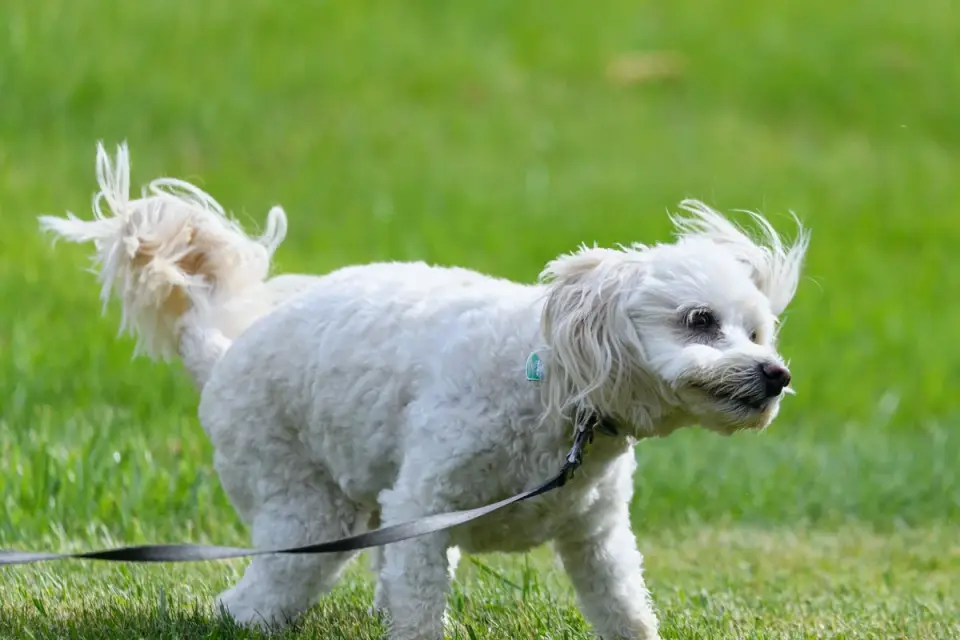
A first hike goes better when recall, loose-leash walking, and a settle cue already work around distractions. Practice a 20-foot check-in on a long line at a park first. Keep your dog leashed unless the area is clearly marked off-leash and your recall holds around dogs, bikes, and deer. For help deciding how much freedom actually builds fitness without losing control, see Off-Leash Play vs. On-Leash Walks: How to Balance Both for Real Fitness.
Yield to hikers, horses, and uphill traffic. Step aside, shorten the leash, and reward calm. Pack out treats, wrappers, and waste, and keep your dog out of fragile meadows and drinking-water sources.
An owner in her sixties wanted to hike with her 11-year-old arthritic spaniel, who could manage about 20 minutes on flat ground before stiffening. Instead of skipping trails, she bent the usual advice. She chose a level 0.8-mile riverside path at 8 a.m., walked 10 minutes out and 10 minutes back, then finished with 15 minutes of supported swimming the next day to keep total activity gentle. She brought a padded harness, a towel, and a lunch for herself so there was no rush. The dog slept for three hours after, woke without the usual evening stiffness, and they repeated the same loop four mornings that week.
After the hike, check paws, ears, belly, and ticks, offer water, and feed on schedule. A little tiredness is normal. Limping the next morning, cracked pads, vomiting, or refusal to eat means the outing was too much and your veterinarian should weigh in. Individual dogs vary widely, so let recovery guide the next step more than mileage.
Save the summit for later. If your dog finished cheerful, drank well, and woke up moving normally, add about half a mile next time.
Sources
- Hiking With Pets — National Park Service
- Outdoor Safety for Dogs in Summer — American Veterinary Medical Association