
Your alarm now goes off at 5 instead of 7, and your dog is staring at you like you made a mistake. That confused look is normal for the first week. Dogs feel safest when the day is predictable, so your job is to build a new predictable day around your new hours.
I counsel owners to prioritize one thing first: keep the order of the day the same, even if the clock time moves. Wake, potty, walk, breakfast, rest, reunion, dinner, last potty. When that sequence holds, most dogs settle within two to three weeks. Individual dogs vary widely in temperament, and seniors, puppies, and anxious dogs may need a longer ramp.
A four-year-old, 38-pound mixed-breed dog in a one-bedroom apartment had gone from an owner home by 3 p.m. to an owner gone until 7 p.m. for a new retail shift that started March 3. The first four nights brought whining at the door, a chewed couch pillow, and one indoor accident at about 5 p.m. The owner worried it was defiance. We kept the morning order identical but moved it 45 minutes earlier in three 15-minute steps, added a 20-minute sniff walk before work, and set a timed feeder for 12 p.m. By night 11 the pillow chewing had dropped from daily to zero and the dog was resting on camera instead of pacing.
Start the shift before your first day
Do not wait until day one. Give your dog seven to ten practice days if you can.
Move wake-up, meals, and walks by 15 to 30 minutes every two to three days toward the new time. Keep the sequence identical. Feed after the morning potty and walk, not before, so the stomach and bladder stay on a steady rhythm.
Practice the new departure, too. Pick up your keys, put on shoes, and step out for two minutes, then five, then 20. Return calmly. You are teaching that leaving predicts returning, not a long worried goodbye.
Short paragraph that matters: predictability calms more than extra exercise alone.
Match the day to the hours you are actually gone
A dog that was alone for four hours and now faces nine needs a different plan, not just more willpower.
Walk before work, not only after. A 15 to 20-minute morning walk with sniffing helps support normal bowel habits and settled rest during the day. If you leave before daylight, use a well-lit route and keep the same loop so your dog does not have to adjust to new smells and new timing at once.
Plan a midday break when you can. A neighbor, friend, or walker visit around the middle of the absence helps most adult dogs with potty comfort and movement. Puppies under six months, seniors, and dogs on medications often cannot comfortably hold it that long.
For enrichment, think calm and repeatable. A stuffed food toy, a snuffle mat, and a safe chew on rotation beat a pile of new toys all at once. Leave a worn shirt in the bed if your dog finds your scent settling. Keep food-toy portions small so you do not upset the stomach during transition.
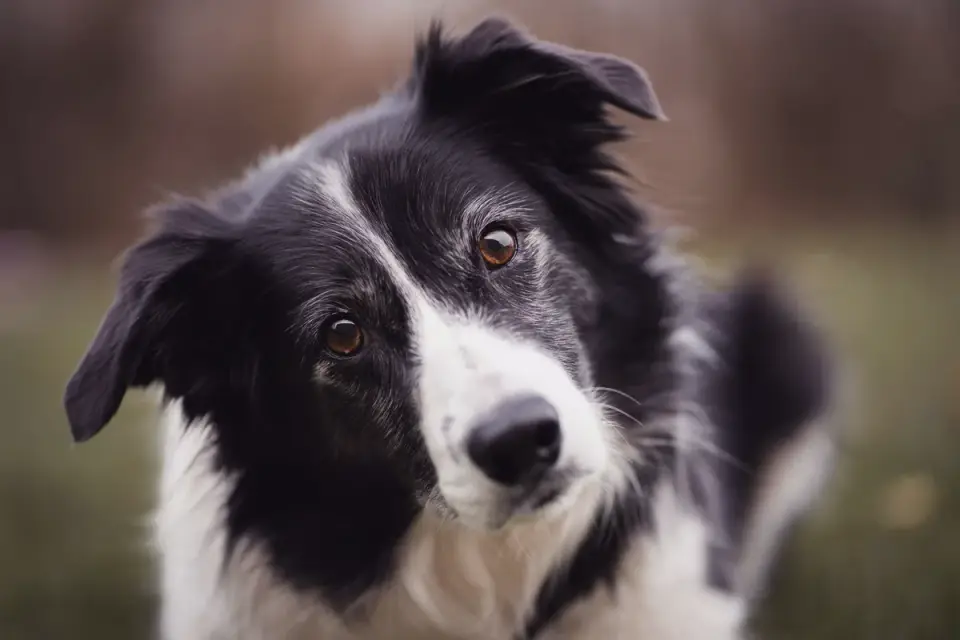
Read what the camera is telling you
A second scenario shows why more activity is not always the answer. A two-year-old herding-type dog living in a house with a yard started a new 10-hour nursing schedule, three days per week. The owner added a fast 3-mile run before each shift and a dog-park trip after, thinking tired would mean calm. The camera instead showed drooling, circling, and scratching at the front door within 30 minutes of departure on all three workdays that first week. Weekends were fine. The owner felt guilty and exhausted.
We cut the pre-work run back to a 25-minute walk with training breaks, moved the harder exercise to days off, and built a quiet departure routine with a food puzzle given only at exit. The restlessness eased on two of the next three shifts, which told us arousal plus sudden alone time was the trigger, not lack of fitness. That distinction matters because true separation distress needs a slower desensitization plan, as outlined by the American Kennel Club, while plain boredom often improves with steady enrichment and rest. If you are unsure which you are seeing, compare patterns in Boredom vs Separation Anxiety: How to Tell the Difference and Is My Dog Chewing Out of Boredom or Anxiety?.
Watch the timeline. Stress signs right after you leave point more toward alone-time worry. Destruction late in the day or only on long days points more toward potty need, hunger, or under-stimulation. Note start time, duration, and what helps your dog recover when you return.
When the usual advice has to bend
Night shifts, split shifts, and rotating schedules break the standard morning-walk model. You adjust the anchor, not the principle.
A nine-year-old, 22-pound senior dog with stiff hips lived with an owner moving to overnight warehouse work, 11 p.m. to 7 a.m. The dog could not do a long pre-work walk at 10 p.m., and barked when left in a dark quiet house for the first five nights. Instead of forcing exercise, the owner set the anchor around the return: a short potty trip at 10 p.m., white noise and a nightlight while gone, a neighbor check at 2 a.m. twice that first week, then a potty, breakfast, and gentle 12-minute walk at 7 a.m. followed by shared sleep. Nighttime vocalizing fell from five nights to one night by the second week, and daytime rest improved once the house stayed dim and quiet until 3 p.m.
If you work from home some days and away others, keep wake and meal times within about an hour across both. Dogs handle a consistent hybrid rhythm better than a weekday-weekend swing.
Skeptical friends ask me if this much structure really matters, or if the dog will just get used to it. Most dogs do adjust, but structure shortens the adjustment and lowers the fallout. Without it you often get accidents, chewing, or barking that then become habits. With it you get a dog that can rest because the day makes sense. That is preventive care in behavior form: baseline routine, low-stress handling around departures, and realistic timelines.
Call your veterinarian if you see house-training loss lasting more than two weeks, refusal to eat for more than a day, panting and pacing that do not ease, self-injury, or escape attempts. Sudden behavior change can also reflect pain or illness. Guidance from VCA Hospitals notes similar thresholds for professional help, and a trainer with separation-related experience can help if alone time is the core issue. For rescue dogs still learning the home, review The 3-3-3 Rule for a New Rescue Dog: What It Means and How to Use It.
You cannot explain a new job to a dog. You can show it, one repeated morning at a time.
Frequently asked questions
How long does it take a dog to adjust to a new work schedule?
Many adult dogs settle in two to three weeks when the daily order stays consistent and changes are introduced gradually. Puppies, seniors, and dogs with separation distress often need longer and a midday break.
Should I feed at the same clock time or keep the same routine order?
Keep the order first — potty, walk, then breakfast — and shift the clock time in 15 to 30-minute steps. A stable sequence helps support normal digestion and rest.
What if my dog starts having accidents after my hours change?
Rule out illness first, then check duration alone, feeding times, and walk length. Add a midday potty break and move dinner and last potty to fit the new return time. If accidents persist beyond two weeks, talk with your veterinarian.
Sources
- Separation Anxiety in Dogs — American Kennel Club
- Separation Anxiety in Dogs — VCA Hospitals