
On this page
A four-year-old English Setter mix trots into the exam room after a muddy weekend, and the feathering along her belly and back legs tells the whole story. The long fringe behind the front legs is tangled with burrs, the hair on the backs of the thighs has felted into soft mats about an inch wide, and the tail flag is heavy with leaf litter. She weighs 52 pounds, she swims whenever she gets the chance, and her owner wants to know whether to just shave it all off before summer. It is the right question at the right moment, because feathering is not extra fluff, and how you clip it changes how the coat protects skin.
What that longer fringe is actually doing
Feathering is longer guard hair on the ears, chest, backs of legs, belly, and tail seen in setters, spaniels, Golden Retrievers, and similar breeds. Guard hairs grow on a slower cycle than soft undercoat, lie flatter to shed water and debris, and help maintain airflow near skin. That structure is why daily brushing supports a cleaner coat with less matting, a point emphasized in grooming guidance from VCA Animal Hospitals.
Clipping everything short disrupts that system. A shaved belly and leg fringe may look neat for a week, then the blunt regrowth traps moisture, picks up more burrs, and mats faster. In day-to-day practice I see fewer hot spots and less friction matting when owners thin and shape feathering rather than remove it. Think tidy, not bare.
Trimming also gives you a reason to check skin. Lift the ear fringe and look for redness, odor, or dark debris. Part the hair behind the elbows and in the armpits where mats hide. This kind of regular hands-on check may help maintain early detection of tangles, ticks, and irritation, which is consistent with preventive grooming advice from the American Kennel Club.
The trim I reach for first
Last fall an owner showed me what happens when good intentions meet the wrong tool. Their middle-aged spaniel-type dog had picked up foxtails on 12 walks over three weeks, and the owner had tried to cut the belly fringe with short craft scissors between baths. After the twelfth walk the hair behind one front leg had tightened into a flat mat the size of a credit card, the skin underneath was pink and damp, and every pass with a brush pulled. We had to shave just that one spot, leave the surrounding feathering long, and restart with a comb and thinning shears. The lesson stuck: close cutting without combing first creates the exact bald patch people were trying to avoid.
My evidence-bounded recommendation is simple. For most pet homes, thinning shears plus a steel greyhound comb support the best balance of neatness and coat function. Thinning shears remove bulk without leaving a hard line, and a comb shows you exactly where the tines catch before blades go near skin. What would change my mind is controlled data showing that shaving feathering improves skin health or cooling in double-coated sporting breeds; right now the physiology of hair growth and insulation points the other way, as summarized in dermatology references from the Merck Veterinary Manual.
Blunt-tipped ball-tip scissors have a place for paws and ear edges. Electric clippers have a place for sanitary areas in heavy-coated dogs. Neither belongs on the full length of leg or tail feathering for a routine home tidy.
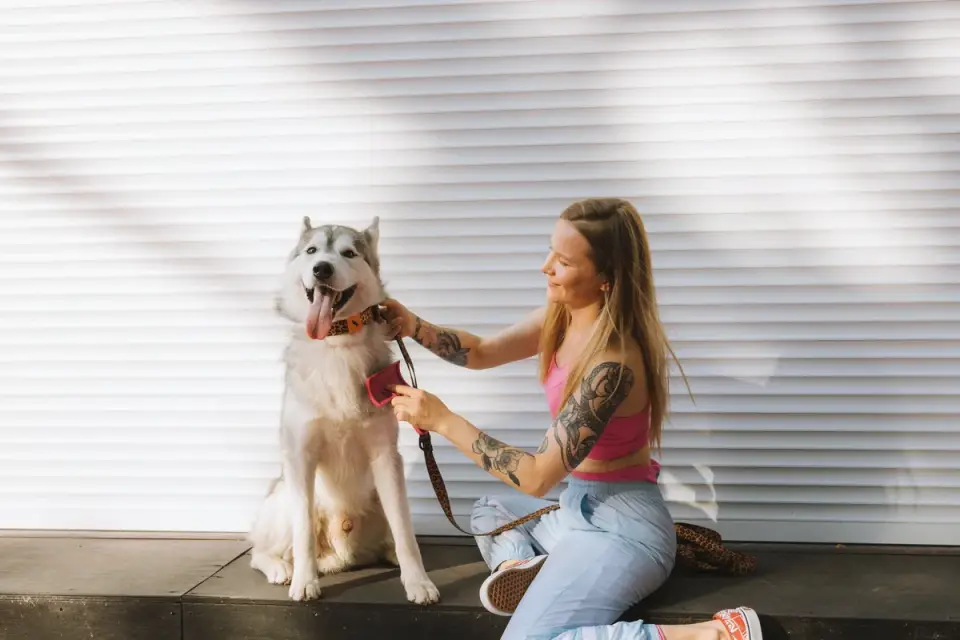
A tidy you can do on a clean, dry dog
Start with a clean, fully dry dog. Bathing first helps when the coat is dusty, and a light conditioner rinse supports easier comb-out, but never clip a wet or damp mat. Moisture tightens knots as they dry. If you are choosing products, our guides to Essential Dog Grooming Tools for Beginners and Do You Need Dog Clippers or Just Scissors? A Vet’s Grooming Breakdown walk through combs, shears, and when clippers actually help.
Work in this order, one section at a time.
Brush, then comb. Mist lightly with detangler or water if needed, brush with the grain, then run a steel comb from skin outward. If the comb stops, stop. Work the tangle with fingers and a dematter, and only trim what will not release without pulling.
Shape ears first. Hold the ear leather flat between fingers so the edge is protected, comb the fringe down, and use thinning shears to remove wisps past the natural outline. Take a little, comb, reassess.
Tidy legs and belly. Comb the fringe behind the front legs and on the backs of the thighs straight down. Shear upward into the hair with thinning shears, parallel to growth, rather than cutting straight across. This preserves the tapered flag while removing bulk.
Neaten paws and hocks. Trim the tufts between pads level with the pads using blunt-tip scissors, then round the foot outline with the foot on the ground. Leave hock fringe alone unless it drags.
Finish the tail flag. Comb downward on a calm tail, thin from underneath, and keep the natural taper. A blunt chop grows back stubby and catches more debris.
Keep sessions short. Fear Free handling supports better long-term cooperation than one marathon groom. Treat, release, and return to the next leg tomorrow if needed.
Sometimes the usual tidy has to bend. A senior retriever I follow could no longer stand for more than six minutes after a cruciate repair, and the owner worried the chest and belly fringe would mat during eight weeks of leashed walks limited to about 200 yards on grass. We changed the plan rather than the goal. The owner combed only the armpits and behind the ears every other evening with the dog lying on a mat, thinned the belly fringe by half in two-minute sessions across four days, and left the tail flag alone until the surgeon cleared more activity. Coat function stayed intact because we protected the high-friction zones first.
Knowing when home care is enough
Stop and call a groomer or your veterinary team if you find a tight mat pressed to skin, moist or foul-smelling skin under feathering, repeated head shaking after ear-fringe trimming, or a dog that freezes, growls, or tries to leave. Mats over joints, genitals, or ear edges are easy to nick. Sedation-free dematting that causes pain is not worth it.
Individual dogs vary widely in coat density, temperament, and tolerance. A field-bred spaniel that swims daily needs a different schedule than a mostly indoor setter. Keep notes on what you trimmed and when, and ask your vet or groomer to review your plan at the next visit. Neat feathering should move freely, part easily with a comb, and lie flat after shaking off.
Frequently asked questions
Should I shave my dog's feathering for summer?
Usually no. Feathering helps shed water and debris and supports airflow near skin. Thin and shape the fringe, keep mats out with a steel comb, and trim only paw tufts and sanitary areas short.
What tools do I need to clip feathering at home?
A steel greyhound comb, thinning shears, blunt-tipped scissors for paws and ear edges, and a slicker or pin brush for prep. Add a dematting comb for stubborn tangles and styptic powder if you also trim nails in the same session.
How do I avoid cutting skin when trimming mats?
Slide a comb between the mat and skin, cut above the comb, and never slide scissors under a tight mat. If the mat is flat against skin, over a joint, or the skin looks red or moist, have a groomer or veterinary team remove it.
Sources
- Grooming and Coat Care for Your Dog — VCA Animal Hospitals